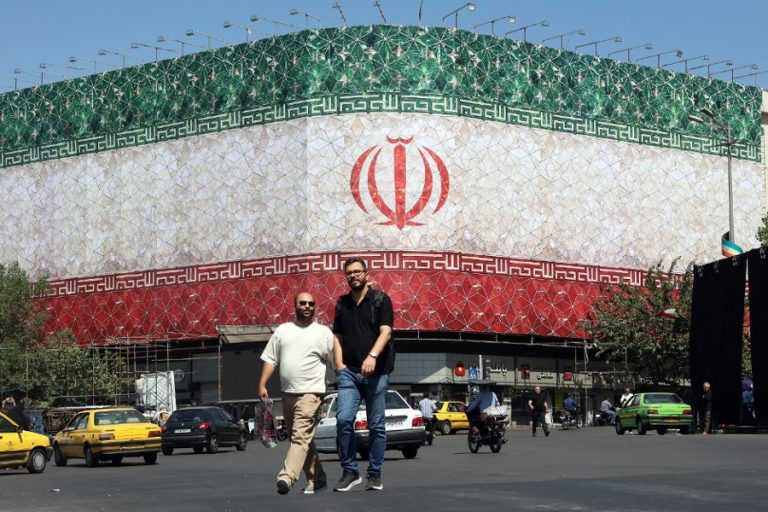
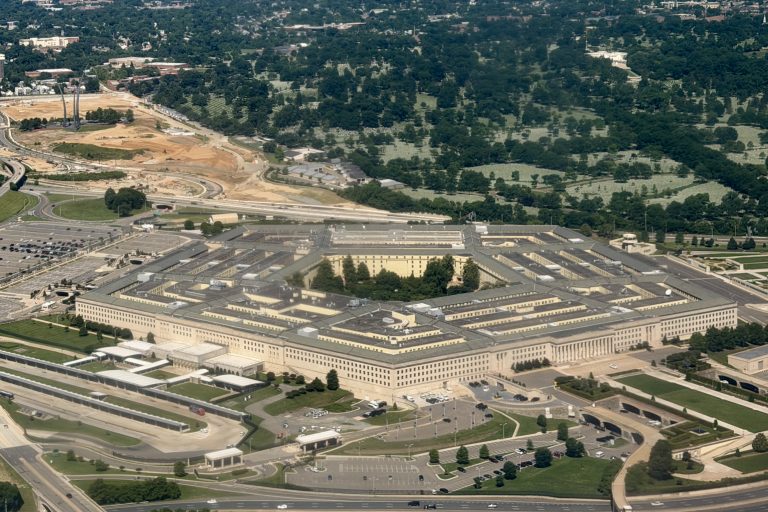
According to the Associated Press, U.S. President Trump publicly expressed dissatisfaction on Tuesday, March 31 over what he sees as insufficient support from allies. Amid the escalating conflict with Iran and the closure of the Strait of Hormuz, U.S. domestic gasoline prices have exceeded $4 per gallon, and global markets are experiencing severe turbulence. Trump bluntly stated on social media that countries not actively participating in operations should “go get their own oil.”
This statement came after a new round of military strikes, in which U.S. airstrikes hit a city housing a key Iranian nuclear facility, producing massive fireballs. Meanwhile, Tehran attacked a fully loaded Kuwaiti oil tanker in the Persian Gulf. Since the conflict began more than a month ago, over 3,000 people have died, and global oil and gas supplies have been seriously disrupted.
Trump is simultaneously pursuing diplomacy and military action, stating that negotiations are still making progress while signaling potential expansion of military operations. He also publicly shared footage of strikes targeting Isfahan. Analysts note that the area may store a large amount of highly enriched uranium, making it a critical node in Iran’s nuclear program.
Iran’s de facto control of the Strait of Hormuz is a key factor driving up oil prices. The waterway handles about one-fifth of global oil shipments, so any disruption directly impacts the energy supply chain. At the same time, Iran’s attacks on regional energy facilities are further fueling market panic.
International benchmark Brent crude has risen to about $106 per barrel, a more than 45 percent increase since the conflict erupted on Feb. 28. Stock markets are volatile and commodity prices are climbing, creating ripple effects worldwide.
Success
You are now signed up for our newsletter
Success
Check your email to complete sign up
Trump warned that if a ceasefire cannot be reached quickly and the strait remains blocked, the U.S. would expand the scope of its strikes, potentially targeting Iran’s Kharg Island oil export hub and even desalination facilities.
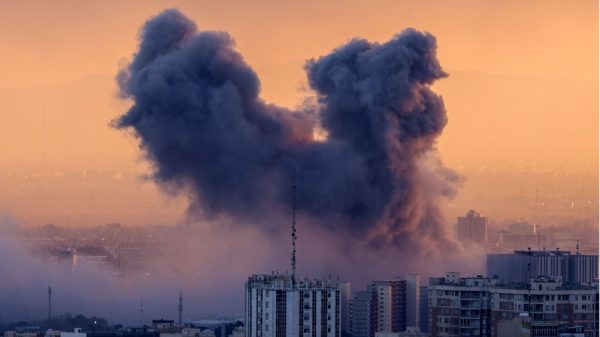
US and Israel expand strikes; Iranian retaliation hits multiple Gulf states
At the same time, Israel and the U.S. launched a new round of airstrikes against Iran, targeting Tehran and other locations. Israel also stated it attacked Hezbollah infrastructure in Beirut, Lebanon.
Satellite imagery shows signs of explosions in the southern mountainous region of Isfahan. Image analysis suggests that just before the June escalation, Iran moved a batch of highly enriched uranium to underground facilities about 20 kilometers from the airstrike zone. This batch may have included 60 percent enriched uranium in 18 containers, just a step away from weapons-grade material.
In the Gulf, Iranian drones struck a Kuwaiti oil tanker, causing a fire but no leak. Reports of explosions or intercepted missiles came from Dubai, Bahrain, and Saudi Arabia, while air raid sirens sounded in Israel, indicating the conflict is spreading regionally.
Trump singled out France on social media, criticizing it for refusing to allow flights carrying military supplies to Israel to cross its airspace, saying, “America will remember this.” France responded that it only allows U.S. aircraft not participating in strikes to use its bases.
Italy also reportedly denied U.S. use of the Sigonella base in Sicily for related missions, although it later emphasized that its relationship with the U.S. remains “solid and loyal.”
Meanwhile, according to the Independent on March 31, Trump also criticized UK Prime Minister Keir Starmer, warning that “the U.S. will no longer help you like before.” He criticized the UK for refusing to participate in a “decapitation operation” against Iran and urged it to “learn to fight on its own.”
The UK is facing real pressure from the energy shock. The International Monetary Fund noted that the British economy is highly dependent on natural gas, making it “particularly vulnerable” in this crisis. Household energy bills are expected to rise by nearly £300 starting in July, with fuel and food prices also climbing.
As military action, energy shocks, and diplomatic rifts intertwine, the conflict is evolving from a regional war into a systemic crisis affecting global economic and security dynamics.