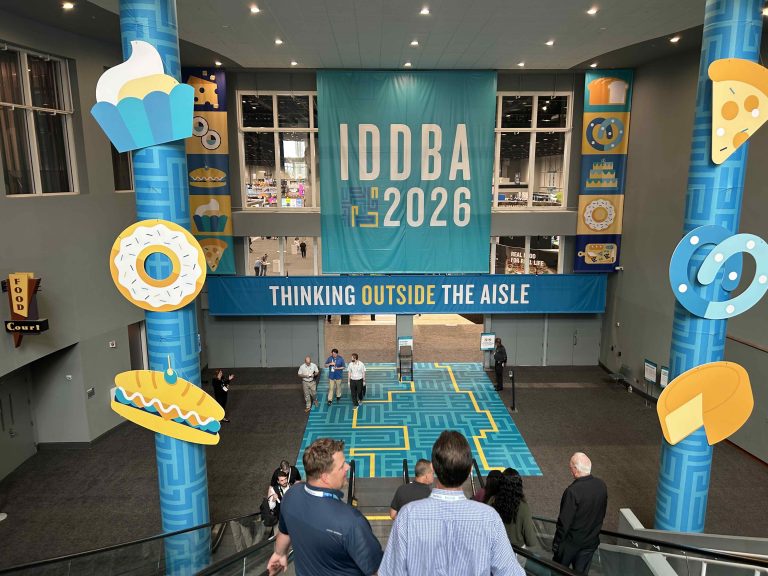
SECAUCUS, New Jersey — On April 15, SupplySide Connect New Jersey 2026 wrapped up two days of interactive exhibits, workshops, and networking opportunities at the Meadowlands Exposition Center in Secaucus, bringing together key players across the health, nutrition, and functional ingredient space.
While not the largest trade show in scale, the event once again demonstrated its importance as a high-efficiency marketplace, where suppliers meet buyers with real intent to shape the industry’s direction.
RELATED: A Retail Rebalance: What PLMA 2025 Reveals About the Rise of Store Brands
Industry changes
Walk the floor, and one thing becomes immediately clear: Brands are no longer competing just on finished products. The real battleground is shifting upstream to the ingredients themselves. Across two days, exhibitors presented a wide range of innovations in:
- Dietary supplement ingredients
- Functional food and beverage components
- Sports nutrition
- Personal care actives
Clean-label claims, gut health positioning, and targeted benefits like women’s health are no longer differentiators. They’re baseline. What matters now is how well those claims can be backed up, explained, and integrated into a formulation.

A smaller crowd with real buying power
Success
You are now signed up for our newsletter
Success
Check your email to complete sign up
Unlike consumer-facing expos, SupplySide attracts a highly specific audience: product developers, R&D teams, procurement leads, and brand decision-makers. That changes the dynamic entirely.
Conversations move fast. Within minutes, discussions shift from introductions to ingredient specs, formulation challenges, and sourcing timelines. Many attendees arrive with active needs, making the event less about discovery and more about execution. It’s a smaller crowd, but a more serious one.

Several major categories dominated the show floor, including gut health, women’s health, sports performance, and healthy aging. But the real shift goes deeper than trending categories. It’s no longer enough to say an ingredient “supports gut health.” Buyers want specifics: The strain, the mechanism, the clinical backing, and how it performs in a finished product.
That shift is pulling ingredient suppliers into a more central role. They’re no longer just vendors; they’re partners in product development, shaping how claims are built from the ground up.
Compact format, high efficiency
One of SupplySide’s strengths is its scale. The two-day format keeps things focused, allowing attendees to identify suppliers, initiate partnerships, and stay current on market and regulatory developments without the sprawl of larger expos. For B2B professionals, that efficiency matters. Less time navigating and more time making decisions.
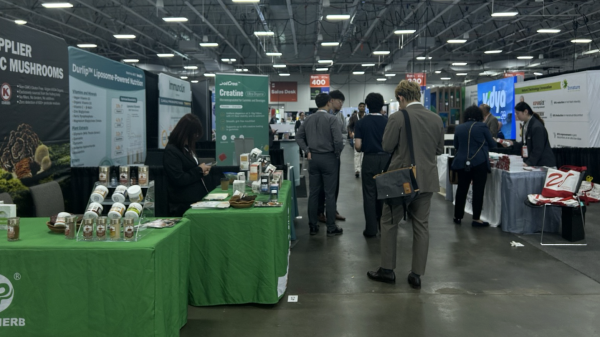
Compared to previous years, the tone of the industry feels noticeably different. There’s less emphasis on broad “wellness” messaging and more focus on measurable outcomes. Transparency, traceability, and clinical validation are no longer optional, they’re expected.
It points to a more mature phase for the industry, where growth is being driven less by hype and more by substantiated performance.
Featured exhibitors
Several exhibitors highlighted how ingredient innovation is evolving, including:
CollaSel
CollaSel, developed by Turkish manufacturer Sel Sanayi, focuses on hydrolyzed collagen peptides designed for use in supplements, functional foods, and cosmetics. Its newer tripeptide formulations emphasize faster absorption and targeted benefits for skin and joint health, reflecting a broader industry push toward bioavailability and measurable results.

Naticol
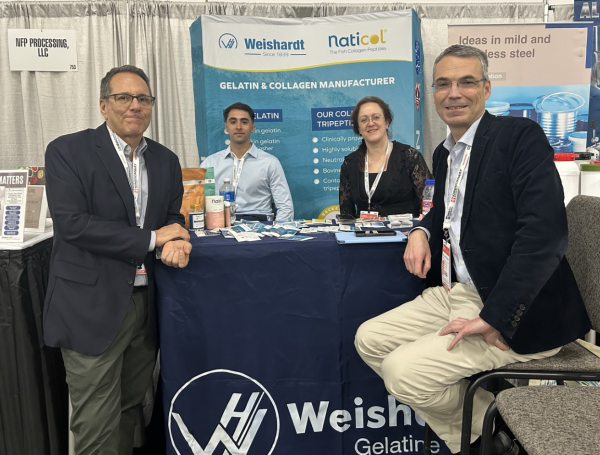
Naticol is a marine collagen ingredient developed by Weishardt, a company with more than 180 years of experience in collagen production. Derived from fish skin and processed through enzymatic hydrolysis, it delivers highly bioavailable peptides with proven benefits for skin, joint health, and overall aging support.
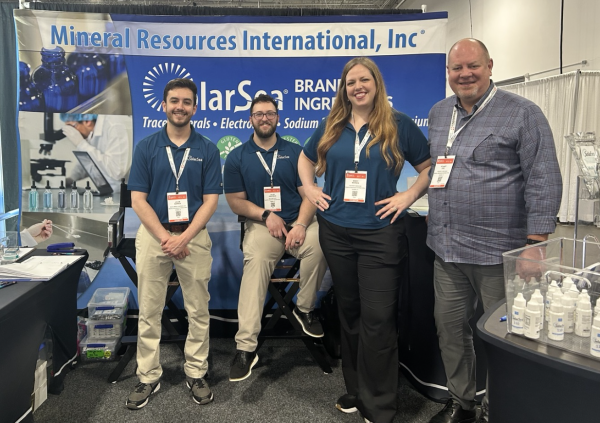
Mineral Resources International, Inc.
Founded in 1969, this U.S.-based company specializes in mineral-rich ingredients sourced from the Great Salt Lake. Known for its vertically integrated approach, it has built a long-standing presence in trace mineral supplementation, supplying both finished products and bulk ingredients.
LiquaDry
LiquaDry produces botanical juice powders using a low-temperature dehydration process designed to preserve enzymes and nutrients. With a vertically integrated model, from organic farming to final processing, the company positions itself around clean-label, nutrient-dense ingredient solutions.

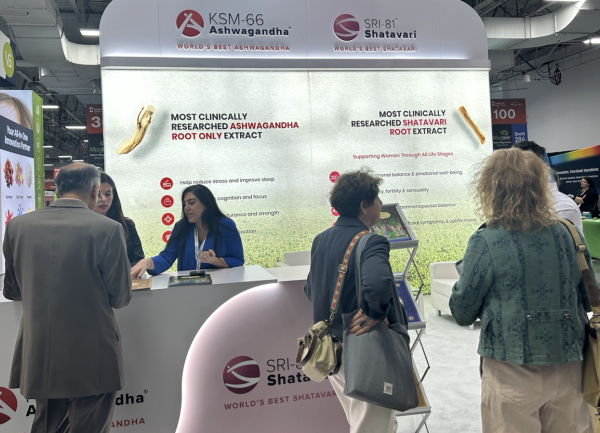
KSM-66 Ashwagandha and Sri-81 Shatavari
Developed by Ixoreal Biomed, these branded Ayurvedic ingredients highlight the industry’s move toward clinically backed botanicals. KSM-66 is widely used for stress, sleep, and performance support, while Sri-81 is tailored for women’s health and hormonal balance.
CEYPLA
Based in Sri Lanka, CEYPLA specializes in coconut-derived ingredients and other plant-based foods, with a focus on traceability and global certifications. Its vertically integrated supply chain reflects growing demand for transparency in sourcing and production.

Seppic
Seppic, a subsidiary of Air Liquide, develops high-performance ingredients used across cosmetics, pharmaceuticals, and nutraceuticals. Its work in emulsifiers and delivery systems underscores the increasing importance of formulation science in product development.

Woodstock Farms Custom Snacks
A U.S.-based private label manufacturer, Woodstock Farms focuses on organic and better-for-you snack solutions. Backed by strong supply chain capabilities, the company supports brands looking to scale clean-label snack lines without building in-house production.

Final take
SupplySide Connect New Jersey 2026 may not aim to impress with size, but it continues to deliver where it matters. What this year’s event made clear is that the industry is moving upstream. The real decisions, the ones that determine product success, are happening earlier, at the ingredient level.
And as expectations around performance, transparency, and scientific backing continue to rise, that’s exactly where the next wave of competition is already taking shape.