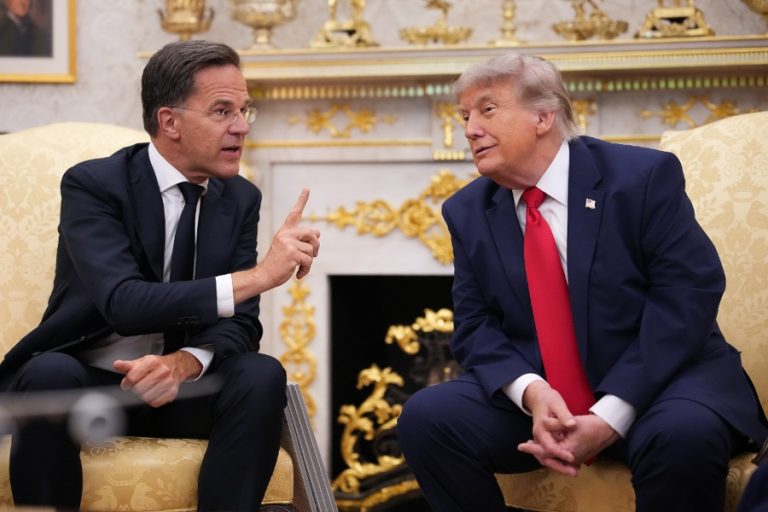
President Donald Trump spent June 24 laying out terms of the agreement that paused the Iran war. In a series of posts on his Truth Social platform, he said Iran had promised “no tolls, no insurance costs, and no other charges of any kind” on ships crossing the Strait of Hormuz, warned that negotiations would end at once if that proved false, and said frozen Iranian funds held under American control would be spent on American corn, wheat, and soybeans rather than handed to Tehran as cash. In a separate post, he ordered the Justice Department to investigate U.S. oil companies for “gouging” drivers by not passing falling crude prices through to the pump.
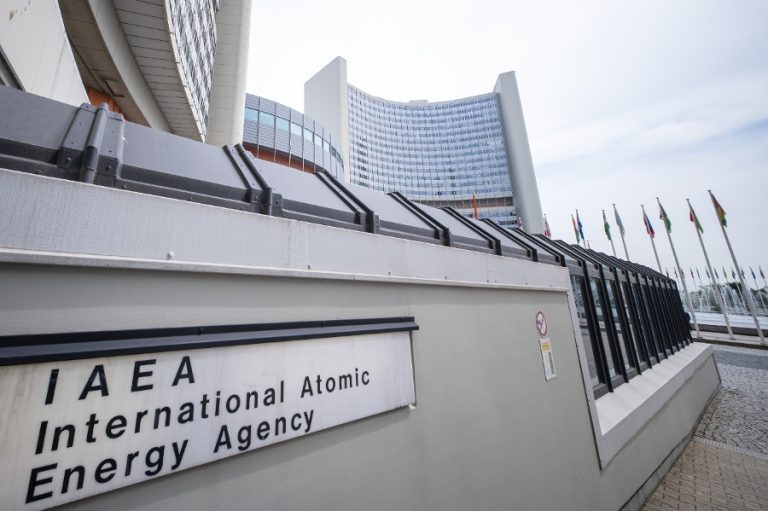
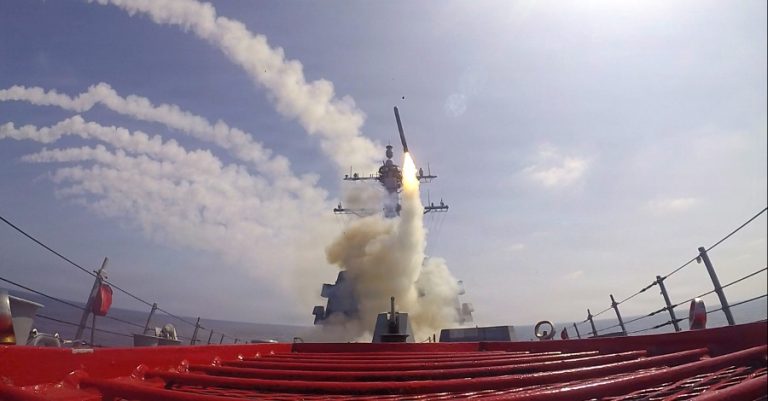
The memorandum of understanding that Trump and Iranian President Masoud Pezeshkian signed on June 17 paused the war, opening a 60-day window for negotiators to settle the questions that drove the fighting: the size and fate of Iran’s enriched-uranium stockpile, who controls the Strait over the long term, and whether the ceasefire will reach Lebanon. The first round of nuclear talks, planned for Switzerland, was postponed before it began. The terms Trump is presenting as settled are, in several places, still open, and the two sides do not yet agree on all of them.
The deal paused the war but left the nuclear question for later
Under the framework, the United States agreed to lift sanctions and its naval blockade of Iranian ports, to reopen the Strait, and to release up to roughly $25 billion in frozen Iranian assets depending on Iran’s compliance, alongside a proposed $300 billion reconstruction fund to be worked out with regional partners. In return, Iran reaffirmed that it would not build nuclear weapons, with the mechanism for handling its stockpile of enriched material left to be “mutually agreed” at a later date.
The issue the war was ostensibly fought over, Iran’s stockpile of highly enriched uranium and its ability to keep enriching, is precisely what the deal postpones. Analysts at the Center for Strategic and International Studies concluded that both sides would claim victory and both had lost: Trump’s clearest win is the reopening of the Strait, but the Strait was closed only because of the war he launched, and Iran emerges with sanctions relief, access to frozen funds, and its enrichment program intact. Republican Senator Lindsey Graham said he was skeptical that Iran would abandon its nuclear ambitions and wanted to review the agreement himself.
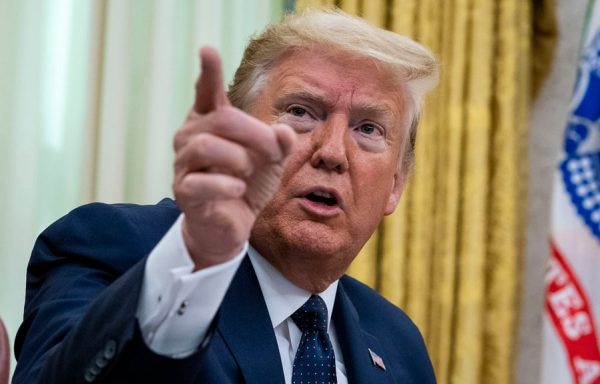
Trump and Tehran disagree on whether Iran can charge tolls
Trump’s claim of permanent free passage is not shared by the people who would collect the fees or by the official running the talks. The signed memorandum says only that Iran will allow commercial vessels through “with no charge for 60 days only,” after which the waterway’s “future administration and maritime services” would be negotiated with Oman. Iranian officials have said they intend to impose a transit fee once that window closes, and a foreign ministry spokesman said vessels would pay “service fees” for navigation and environmental services rather than tolls. Vice President JD Vance, who is leading the negotiations, said flatly that if Iran tries to propose tolls, “there’s not going to be a final deal.”
Success
You are now signed up for our newsletter
Success
Check your email to complete sign up
The physical reopening is also incomplete. The central shipping lane through the Strait remains mined, with roughly 80 mines still to be cleared, though traffic has resumed through the northern and southern routes; Vance said 12.5 million barrels of oil passed in a single night, the most since the war began. Shipping executives have been slower to celebrate, with one telling NPR that companies would wait for thirty days of incident-free transits before treating the route as normal.
The reopening lifts the energy chokehold the war had placed on Beijing
The reopening matters to China more than to almost any other economy. The Strait of Hormuz carries roughly a fifth of the world’s oil, and its closure in late February was the largest oil supply disruption in history, stripping about 10 million barrels a day from the market and pushing Brent crude toward $120 in early March. No economy was more exposed than China’s. Around 38 percent of the oil and 23 percent of the gas moving through the Strait is bound for Chinese ports, according to Nomura, amounting to roughly half of China’s seaborne oil supply, and by other estimates about a third of all Chinese crude imports pass through the waterway.
Beijing spent the war absorbing the shock. It had built crude reserves and lifted imports by about 16 percent early in the year, and Iranian oil kept flowing to Chinese ports even as the Strait choked off supplies to everyone else. The reopening, and the slide in oil prices that has followed, with Brent now under $77 and the U.S. benchmark near $70, removes precisely the pressure the war had placed on a Chinese economy already straining under weak domestic demand.
Beijing presented itself as a neutral voice for peace throughout, and the facts sit awkwardly beside that image. China condemned the U.S. and Israeli strikes and backed Tehran, yet the White House said high-level U.S.-China talks took place as the deal came together, Trump credited Beijing with helping bring Iran to the table, and he and Xi Jinping agreed in Beijing that the Strait had to reopen. The government most relieved by the outcome had backed the side that lost, and it helped broker the settlement that spared its own energy lifeline.
The 60-day window now governs everything, and each unresolved piece carries its own trigger. If Iran moves to charge for passage once the window expires, Vance has said there will be no final deal. If the Switzerland talks on Iran’s nuclear program keep slipping, the ceasefire holds together merely on a declaration and the war could restart. The fighting in Lebanon has continued despite the agreement, and Israel, which is not a party to it, has said its troops will stay in the south. And the question the war was supposed to answer, where Iran’s highly enriched uranium is and what becomes of it, has simply been moved to a later discussion.