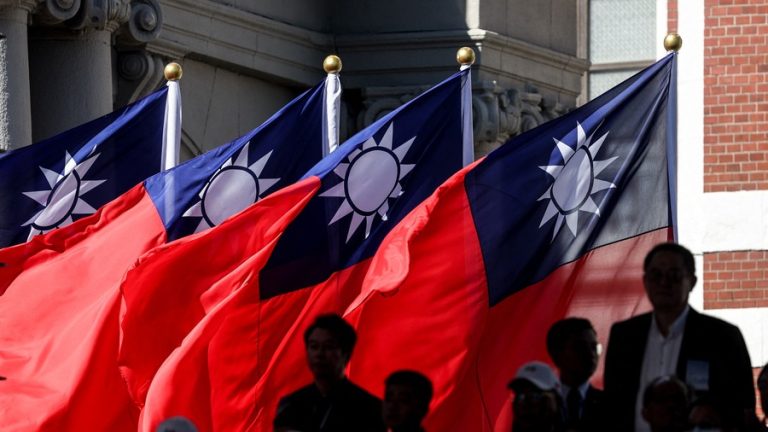
Henley & Partners has released the July 2026 edition of the Henley Passport Index. Singapore retained the top position, with visa-free access to 192 countries and destinations, while Taiwan ranked 34th, with visa-free or visa-on-arrival access to 134 countries and territories.
Singapore retains top position
Henley & Partners’ 20th-anniversary report said passport rankings are primarily based on the number of countries and territories that passport holders can visit without obtaining a visa in advance or where they can apply for a visa upon arrival.
The report showed that Singapore remained in first place, offering visa-free access to 192 destinations—70 more than in 2006. Japan, South Korea, and the United Arab Emirates tied for second place with access to 188 destinations, while Sweden ranked third with 187.
Belgium, Denmark, Finland, France, Germany, Ireland, Italy, Luxembourg, the Netherlands, Norway, and Spain tied for fourth place, with visa-free access to 186 destinations. Malta, Austria, Greece, Portugal, and Switzerland tied for fifth with 185 destinations. Hungary, Poland, and the United Kingdom ranked sixth with access to 184 destinations.
Australia, Canada, the Czech Republic, Latvia, Malaysia, New Zealand, Slovakia, and Slovenia tied for seventh place. Croatia and Estonia ranked eighth, Liechtenstein and Lithuania ranked ninth, and Iceland and the United States tied for 10th.

Success
You are now signed up for our newsletter
Success
Check your email to complete sign up
Taiwan ranks 34th
Taiwan ranked 34th globally. Holders of Republic of China passports can travel visa-free or obtain visas on arrival in 134 countries and territories, a slight decline from 33rd place in 2025. China ranked 60th, with access to 83 destinations, leaving a significant gap between China and Taiwan.
The report said the United Arab Emirates was among the countries that made the greatest gains over the past 20 years. Its number of visa-free destinations increased by 153 compared with 2006, propelling it to second place globally and making it one of the world’s most powerful passports.
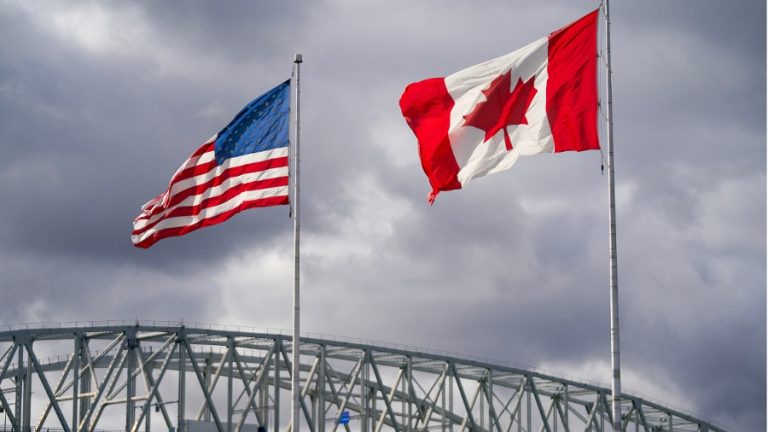
The United States, meanwhile, has continued to slide in the rankings. In 2006, the United States tied with Denmark and Finland for first place worldwide. It now has access to 180 destinations—50 more than 20 years ago—but has fallen to 10th place, tied with Iceland.
Afghanistan ranked last, with access to only 22 countries. North Korea ranked 97th, with access to just 35 countries, placing it among the lowest-ranked passports alongside those of Nepal, Somalia, Yemen, and Syria.
The report also examined the relationship between passport strength and the Institute for Economics and Peace’s Global Peace Index. It found that a country’s level of conflict and peace generally correlates with the strength of its passport, although there are exceptions.
The United States ranked 134th on the Global Peace Index, while Israel ranked 149th. Both countries are currently at war with Iran, yet they ranked 10th and 18th, respectively, on the passport index. The report said this demonstrates that passport strength is not determined solely by a country’s peace ranking.

Expert: Passport strength measures a country’s geopolitical capital
The Henley Passport Index, compiled by London-based Henley & Partners, is one of the world’s most widely recognized passport rankings. Working with the International Air Transport Association, Henley & Partners analyzes official data from IATA’s global database to determine how many destinations holders of each passport can visit without applying for a visa in advance. The index currently covers 199 passports and 227 travel destinations.
In recent years, some visa-free destinations have begun requiring travelers to obtain electronic travel authorization in advance, including the United States’ ESTA, Europe’s ETIAS, and the United Kingdom’s ETA. These electronic authorizations generally require a small fee but remain considerably less burdensome than traditional visa applications.
Visa-free access simplifies travel planning because travelers do not need to complete extensive application paperwork before departure or wait for approval from an embassy or consulate. It also gives them greater flexibility to adjust their plans or make last-minute itinerary changes.
Christian H. Kaelin, chairman of Henley & Partners, said 20 years of data show that passport strength has become an important measure of a country’s geopolitical capital. Countries with highly ranked passports, he said, are typically those with which other nations actively seek to establish trade, investment, security, and diplomatic partnerships. Freedom of cross-border movement therefore reflects the level of trust and cooperation a country enjoys within the international community.