“Out of sight out of mind” seems to be the rule when it comes to appliance filters. Over 80 percent of Americans polled fail to clean or replace their air filters — and there are more of them in your home than you would imagine. Chances are, you have between five and nine filters that could use some maintenance right now.
Dust, hair and other fine particles trapped by air filters eventually build up and block air flow — decreasing your appliance’s efficiency and increasing the cost to run them. Find out what appliances have filters and how to care for them. Once you witness the effects of this simple and satisfying job, you’ll be more likely to make it a priority.
Air conditioners
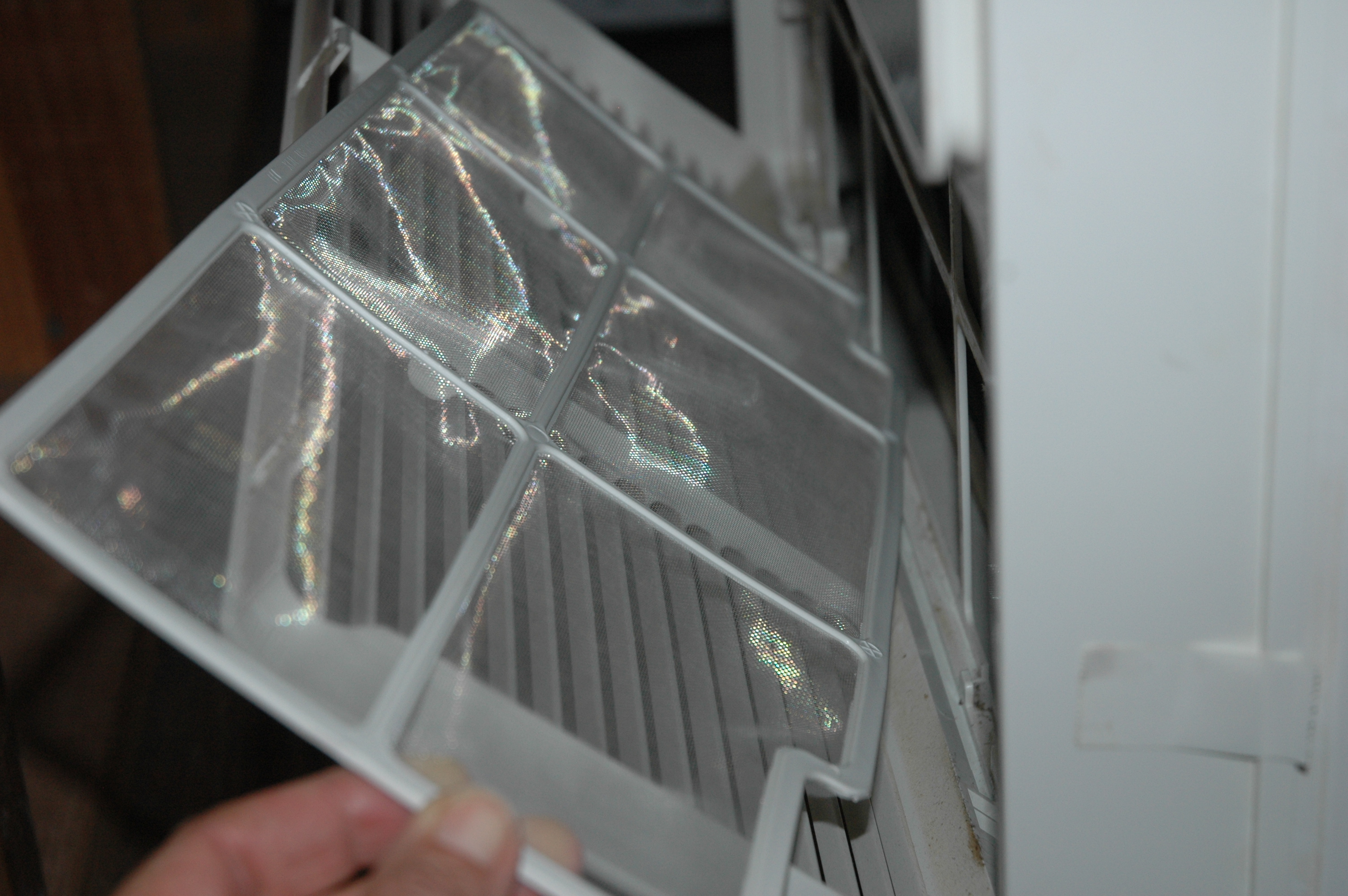
Whether you have window units or central air, air conditioners work hard to keep your environment comfortable, but it is hard for them to work properly without a clean filter. This can result in less-than-ideal air quality as well as potential damage and expensive repairs.
Depending on your unit, you may have a reusable filter that you can clean yourself, or a disposable filter that should be replaced periodically. Fiberglass, folded cotton or polyester fabric, and electrostatic filters may be washable, but you should check the specifications on your unit. Some fiberglass and pleated filters are meant to be disposable and washing them could reduce their effectiveness. HEPA filters, in particular, use adhesives to collect very fine particles, which cannot be removed with washing.
Frequency of cleaning/replacing will depend largely on your usage. Factors like the operating conditions, quality of installation, and hours of operation will affect the lifespan of your filter. If you notice increased volume in the operating noise, check the filter. If you see buildup upon visual inspection, it is time to change or clean your filter.
Success
You are now signed up for our newsletter
Success
Check your email to complete sign up
Washable filters can be removed, vacuumed, washed, and placed back once they are dry.
Air purifier
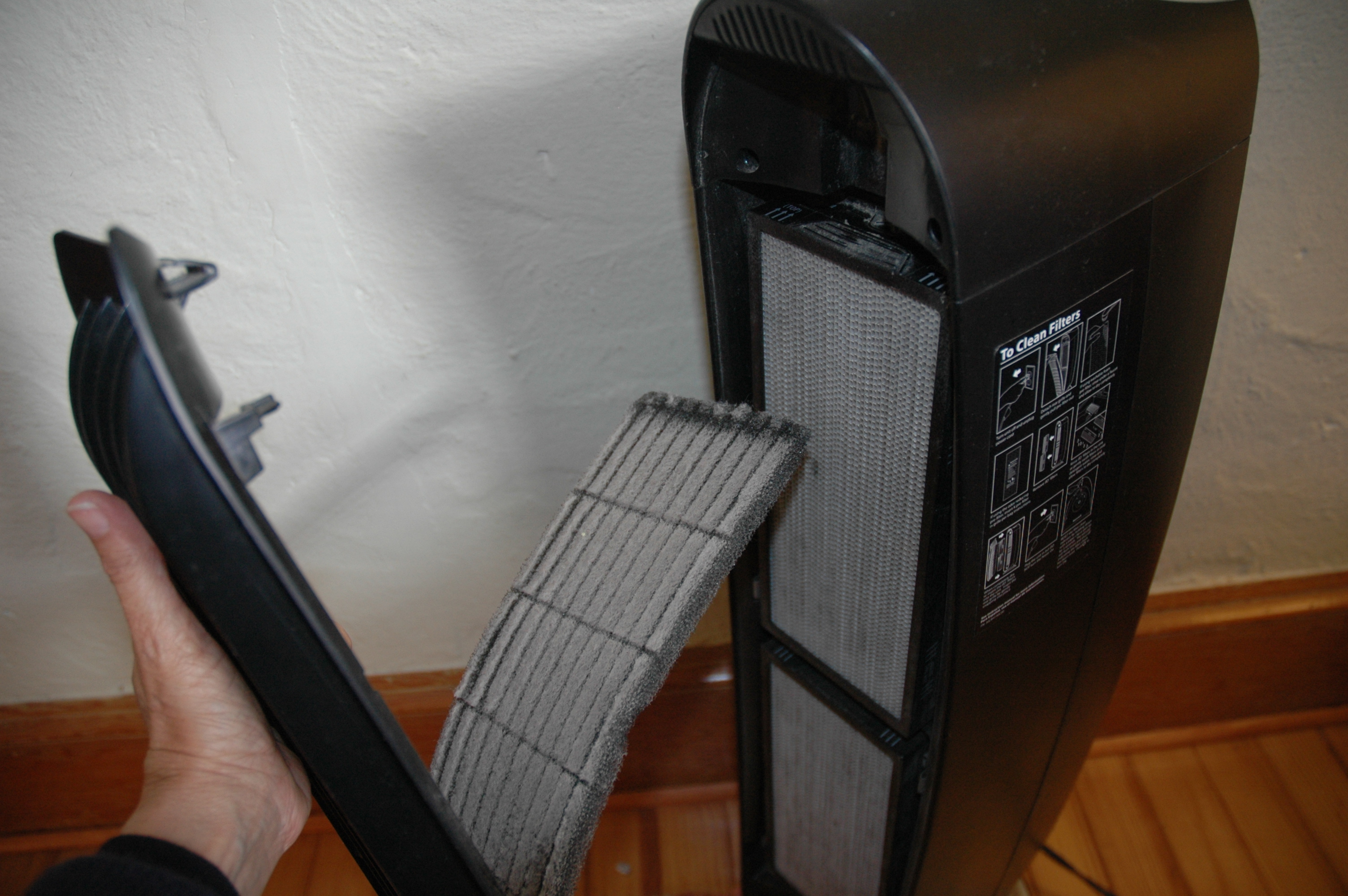
Air purifiers filter indoor air to remove tiny pollutants like dust, odors, smoke, or even viruses. They generally have multiple filters, including a pre-filter to collect larger particles, and a more complex inner filter aimed at trapping or neutralizing finer particles.
Check your user manual to see what type of filter you have, and wash or replace accordingly. HEPA filters should be replaced at regular intervals, depending on usage.
Many newer models will let you know (with an indicator light) when your filter needs to be replaced. Since this recommendation could be based on factors that don’t apply to you, you may want to check the state of your filter with a visual examination.
Clothes dryer
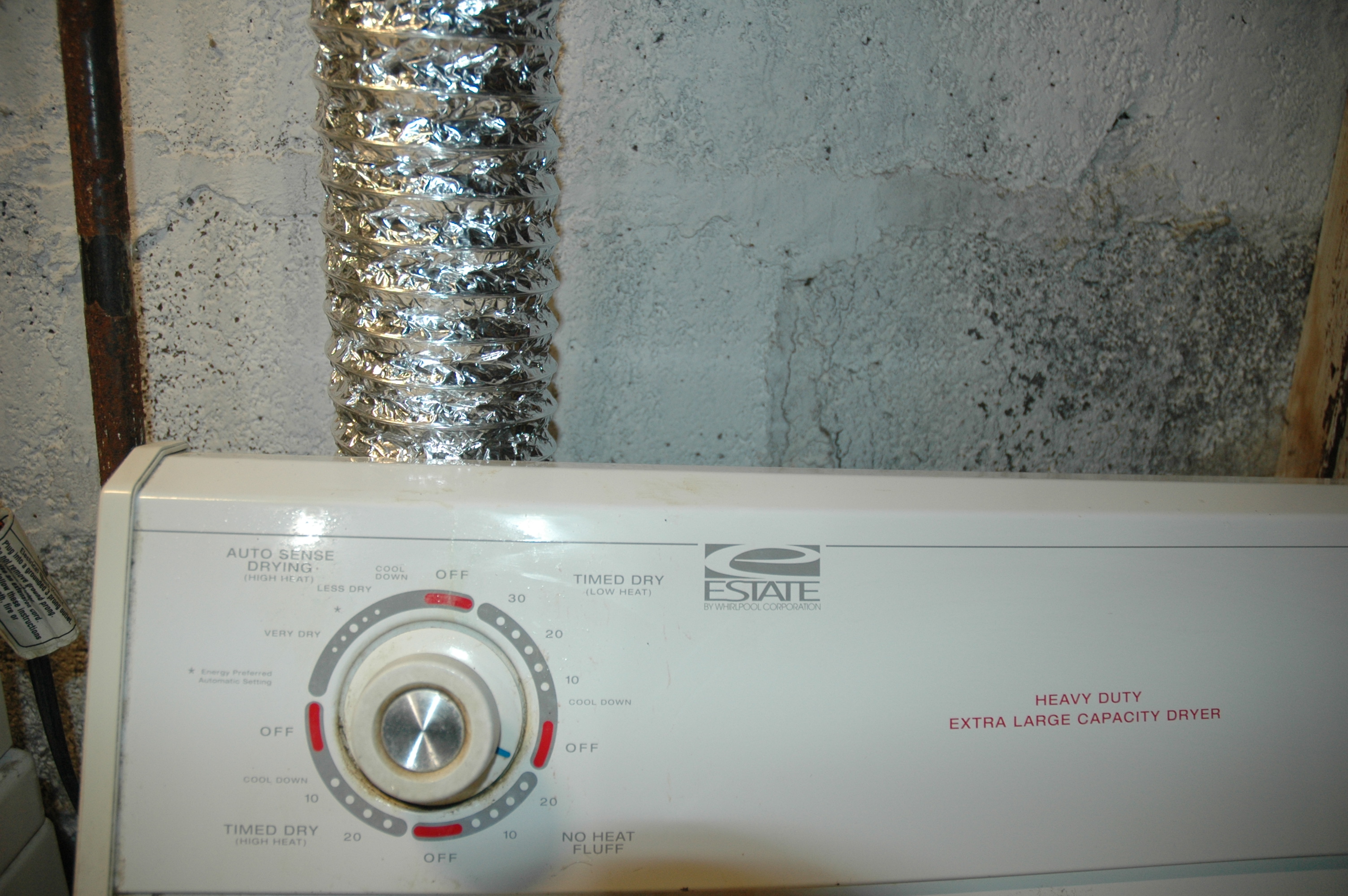
We all know that the lint filter should be emptied between drying loads of laundry, but many people don’t realize that lint also builds up in the dryer cabinet and duct, resulting in reduced drying capacity — or more seriously — a potential fire hazard.
The dryer housing, or cabinet, collects dust that escapes the lint filter, which can build up unseen for years. You may be able to remove it by inserting a narrow vacuum attachment into the lint filter receptacle, but most likely you will need to partially disassemble your dryer. Make sure it is unplugged and check your user manual for the most efficient way to proceed.
The duct is the hose or metal tubing that carries your dryer air to the outside. This can be detached and cleaned out with a special duct-cleaning brush, a flexible vacuum hose, or a leaf blower. If you choose to replace the hose, be sure to select the proper type for your specific dryer.
Dehumidifier
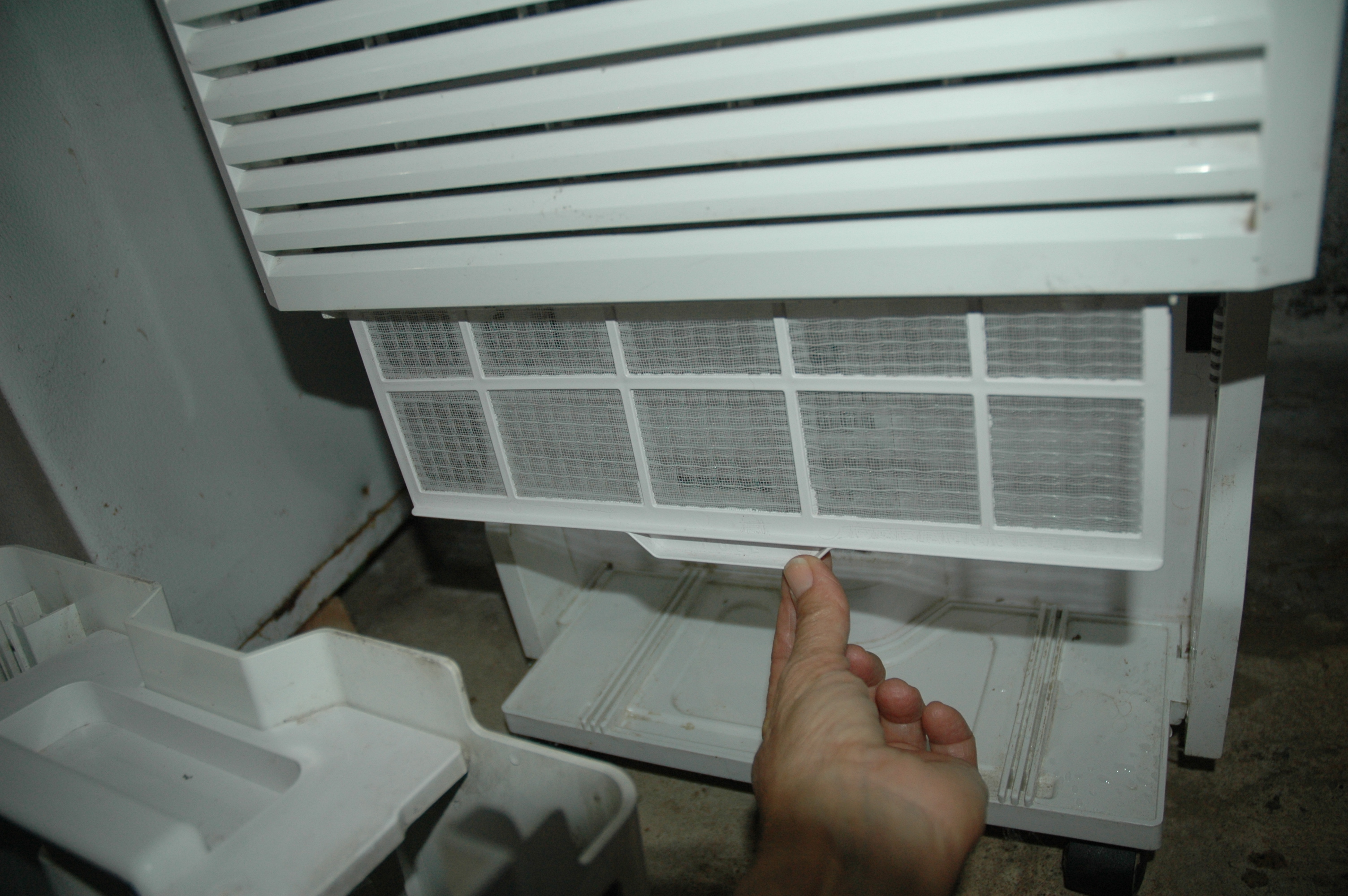
Dehumidifiers not only suck the water out of your air, they also filter out dust and debris in the process. It is usually collected on a simple mesh filter that can be easily removed and cleaned for reuse. Since these appliances often run continuously, it is recommended to check them every few weeks. If you notice your dehumidifier is making more noise than it used to, or taking longer to work, the filter is probably overdue for a cleaning.
Furnaces and heaters
Just like your air conditioner, many furnaces — as well as many space heaters — rely on air flow, and collect debris in the process. If you pay for annual maintenance on your furnace, the filter replacement will definitely be included.
If you are tackling it yourself, check your user manual for the location and type of filter on your furnace. Cheap filters need to be replaced more frequently, while some of the “best” filters are so restrictive that they affect efficiency. A mid-range filter (moderate MERV rating) is recommended for overall best performance. Always turn off your furnace and allow it to cool before working on it.
Pay special attention to the air-flow arrows. The most common mistake is replacing the filter backwards. If you forgot to take note upon removal, the general rule is that the arrows face in the direction of airflow.
Space heaters that disperse heat via a fan also collect contaminants around the grate and fan, which may be cycled back out into the air. Unplug the appliance and wipe the exterior with a damp cloth. Then disassemble the housing and vacuum or brush out any lint collected on the interior and the fan.
Over the range

Above your stove you have a hood — or possibly a microwave — with a fan and filter that serve to pull cooking oil and smoke out of the air. A greasy filter will impair this exhaust system. The filters should be cleaned at regular intervals, depending on how often you cook. Newer models will likely have an indicator to tell you when your filters need attention, but if they look brown and feel tacky, there’s no reason to wait.
These filters can be easily removed and cleaned. Place them in a sink of very hot water with OxiClean, degreaser or enzyme cleaner and let them soak for 10 to 30 minutes. Scrub any remaining crud off with a bristle brush and rinse with clean water. Some microwaves have filters that are dishwasher-safe. Allow the filters to dry completely before replacing above the range.
Refrigerator
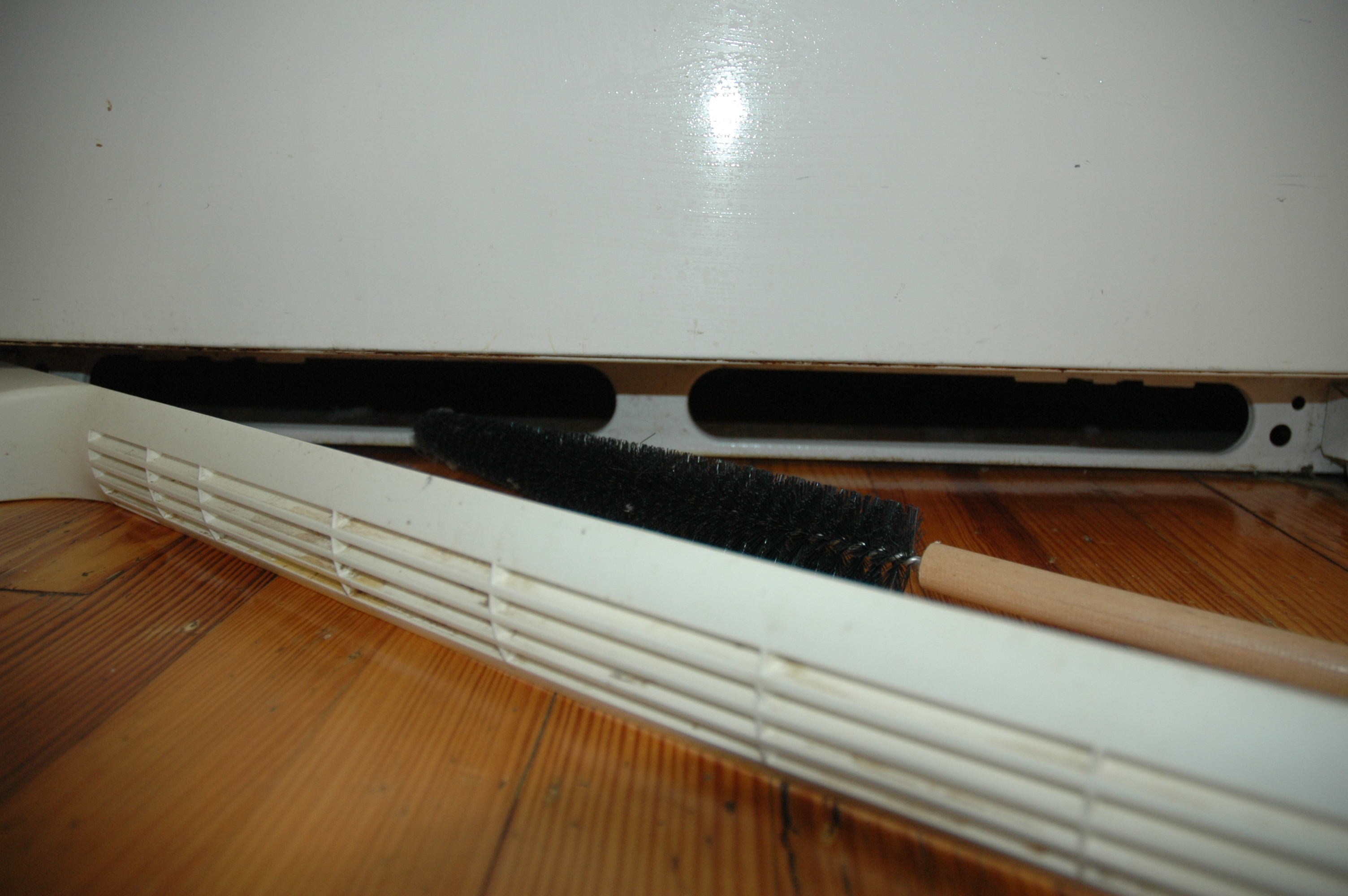
The refrigerator coils that keep your food cool and fresh are located at the back or bottom of your refrigerator. Like many air filters, they are hidden and easy-to-forget, but they also collect dust and need to be cleaned regularly for efficient operation.
Some refrigerators have a plastic grill at the bottom of the front. If you snap this off, you gain (somewhat awkward) access to the condenser coils. With a vacuum cleaner and a coil-cleaning brush, you can collect and remove much of the built-up lint from around the coils. Better yet, empty your refrigerator and pull it away from the wall far enough to tip it back for better access to the coils.
Refrigerators with coils on the back are easier to access, but you still need to pull the appliance away from the wall. You may need to remove a panel to reveal the coils. Be sure to unplug it before doing any disassembly. Using a brush attachment on your vacuum cleaner or a coil-cleaning brush and vacuum together, gently loosen and suck away all the lint and debris you can find.
For best performance, do this every six months, or more frequently if you have pets.
Vacuum Cleaner
Many of us have only been trained to change the bags in vacuum cleaners; but these appliances have evolved so much since their invention over a century ago that some don’t even have bags any more. Thorough and powerful cleaning machines, modern vacuums often have a series of filters, each of which need maintenance.
Every vacuum cleaner is different, so be sure to check your user manual (available online with the make and model number) for what filters your appliance has, and how to maintain them. If you are losing suction, your vacuum has become extra noisy, or it has started spewing dust it is likely overdue for filter cleaning or changing.
This may seem like a lot of filters to fiddle with, but by dedicating an hour or less each month to do one or two, you will be able to keep up with this important maintenance and breathe easy!