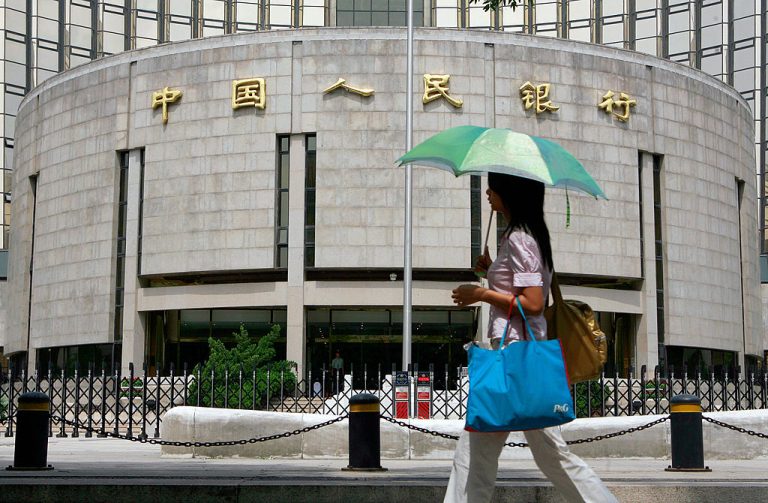
A major financial scandal has erupted in China’s eastern province of Shandong, with allegations of fraudulent fundraising tied to the provincial government’s financial entities. The scheme is reported to have implicated approximately 6,000 investors nationwide, involving an estimated 35 billion yuan (about USD $5 billion).
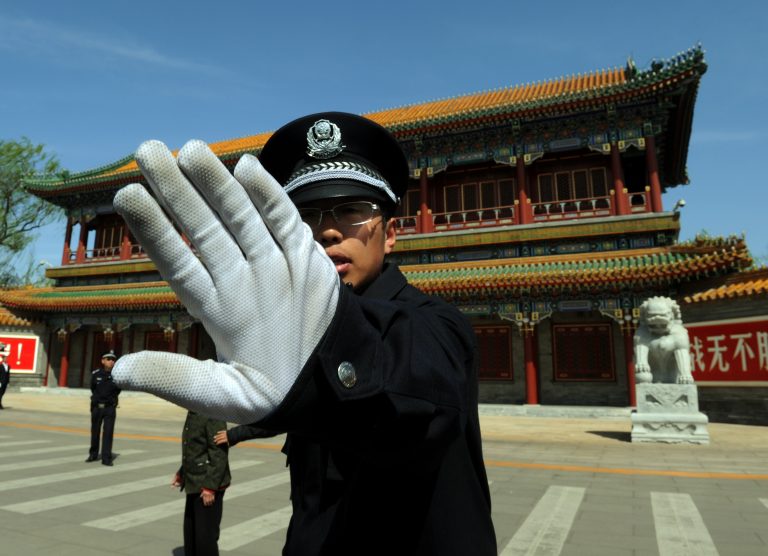
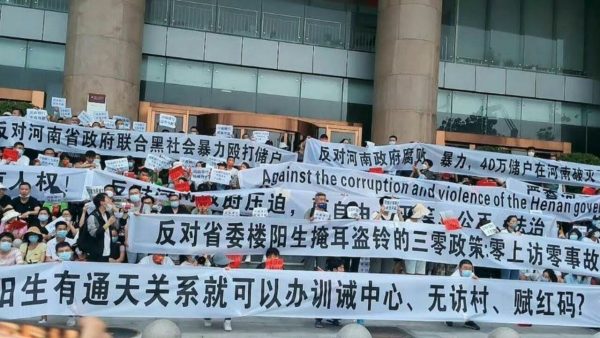
Recent protests outside the Shandong Provincial Department of Finance in Jinan have drawn attention, with affected individuals demanding repayment amid a heavy police presence.
Reports indicate that the scandal involves four companies allegedly linked to local government financing platforms: Shandong Shuoyun Construction Development Co., Shandong Gaoshun Infrastructure Construction Co., Weihe Ecotourism Development Co., and Shandong Taiyun Urban Construction Co. Human rights activist Lin Shengliang, who’s based overseas, claimed on social media that these platforms engaged in fraudulent fundraising, describing it as “government-led public fraud.”
The allegations
“The victims later discovered these projects were fabricated. This is a public scam orchestrated by the government,” said Lin. Videos circulating online show a crowd of protesters braving the cold weather outside the finance department’s gates, shouting “Shandong, repay our money!” while police lined the streets and stood on high alert.
RELATED: China Issues Pay Raise for Civil Servants Amid Economic Slump, Sparking Public Ire
Success
You are now signed up for our newsletter
Success
Check your email to complete sign up
At the center of the scandal is Shanghai-based Hehe Shouchuang Investment Management Co., which reportedly defaulted in April 2023. In a desperate bid to salvage its operations, the company introduced a so-called “debt resolution plan” in November by appointing Zhao Guangyu as its administrative head. Zhao proposed leveraging a “Shandong City Investment Bond” project — allegedly endorsed by the Shandong Department of Finance — to attract investors and manage its mounting debts.
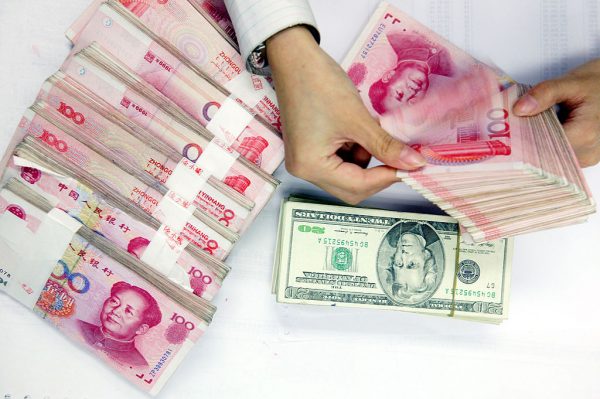
Under this scheme, Zhao’s team assured investors that their funds were “secure” by portraying the bond issuances as backed by local government financing platforms. As a result, over 6,000 investors poured their savings into four financial products issued by Shandong Shuoyun and others, amounting to approximately 35 billion yuan. Viewing the government as the ultimate guarantor, investors were led to believe their investments would be safe.
An elaborate scheme
But contrary to promises, investigations reveal that only a fraction of the funds — less than 3 billion yuan — actually reached local government platforms. Around 17 billion yuan reportedly went toward Hehe Shouchuang’s debt restructuring and overdue payments, while the rest remains unaccounted for. The alleged misuse of funds has left investors outraged as they take to social media and other legal avenues to demand answers.
According to a notice from Shandong’s provincial authorities, which was posted in December 2024, higher ups were reportedly “aware of the issue,” and pledged to “thoroughly investigate” the ins and outs of the alleged scam. But authorities also cited the “complexity of the situation” as potential challenges. “We are committed to resolving the financing issues involving Shuoyun, Gaoshun, Weihe, and Taiyun. Investors must cooperate in providing accurate information for verification,” the statement read.
RELATED: China’s Subway Boom Becomes a Financial Nightmare as Project Racks Up Trillions in Debt
Protests erupted as news of the fraud spread, with demonstrators gathering outside government offices to voice their grievances. Reports suggest that authorities responded with a clash of arrests, further escalating tensions between residents and police authorities. “Many protesters have already been detained,” noted Lin.
The scandal comes as China grapples with significant economic challenges stemming from years of strict “zero-COVID” virus controls, a faltering real estate sector, and sluggish consumer demand. These factors have placed enormous financial pressure on local governments — many of which relied heavily on land sales and borrowing to fund development projects.
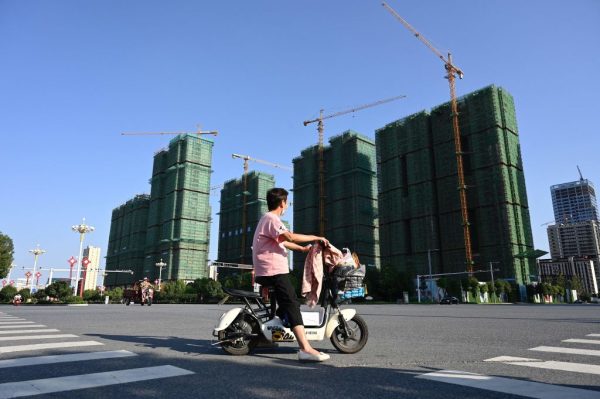
As these traditional revenue streams dry up, experts warn that local financing platforms may become more vulnerable to risky or fraudulent practices. The Shandong scandal exemplifies how economic instability can exacerbate systemic risks, eroding public trust in both financial institutions and government entities.
A crisis of trust
The protests have also sparked broader concerns about transparency and oversight in China’s financing platforms backed by the government. Critics argue that the lack of regulation has created opportunities for fraudulent schemes to thrive under the guise of government-endorsed projects.
With an influx of unregulated investment schemes masquerading as government-backed initiatives, investors are enticed by promises of high returns and the perceived security of local government involvement. But the unfolding revelations highlight the need for stricter oversight and accountability in China’s financial sector.