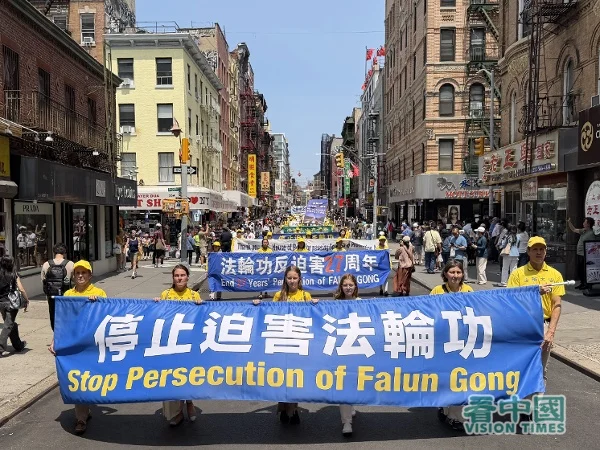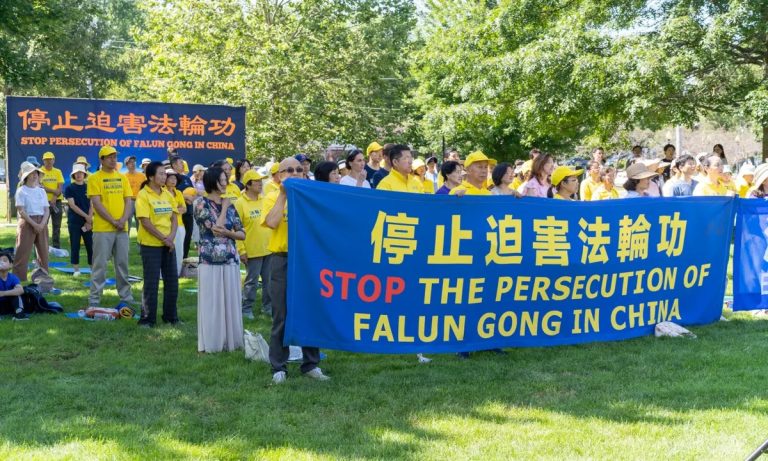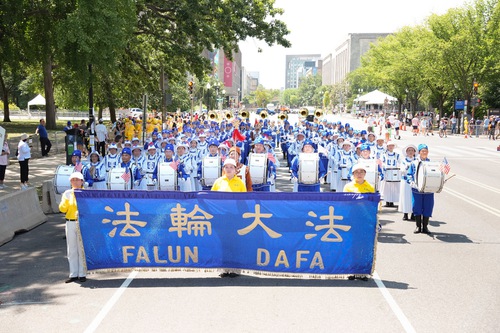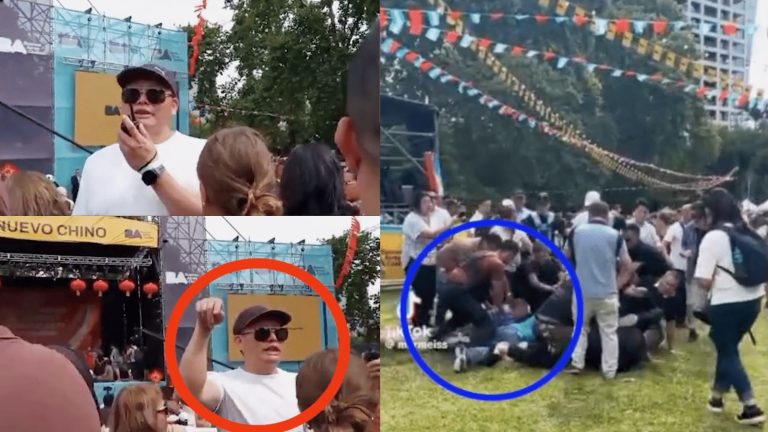
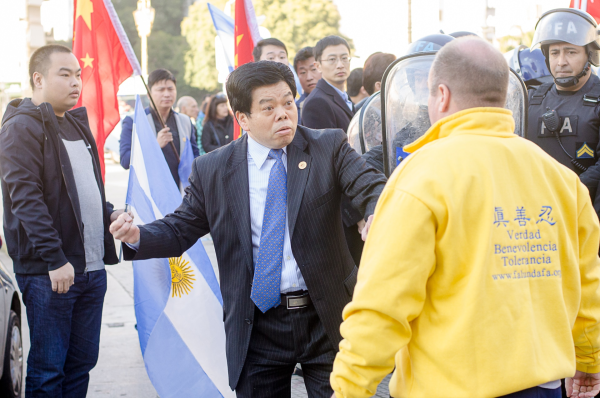
On Jan 26, during the Chinese New Year celebrations in Buenos Aires, a coordinated attack against Falun Gong practitioners took place at the Plaza Parque Nacionales Argentinos. Dozens of individuals — allegedly linked to the local Chinese Embassy — launched violent assaults on adherents of the spiritual practice by tearing down banners, stealing personal belongings, and physically attacking the demonstrators.
Eyewitness accounts and video footage confirm that Buenos Aires police stood by, refusing to intervene, while some officers even detained the victims rather than the aggressors. Falun Gong, also known as Falun Dafa, is a traditional spiritual practice that has been persecuted with deadly force by the communist regime in mainland China for over two decades.
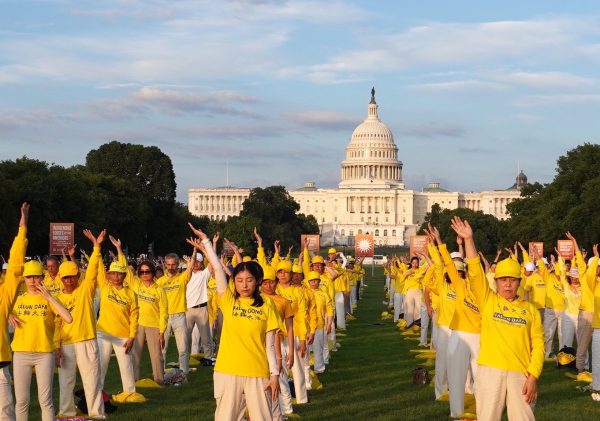
This is not the first time Falun Gong practitioners in Argentina have faced violence and harassment at the hands of pro-Beijing operatives. With previous incidents showing patterns of complicity by local authorities, concerns are growing over Chinese Communist Party (CCP) influence in the region and the increasing danger of transnational repression.
A coordinated assault
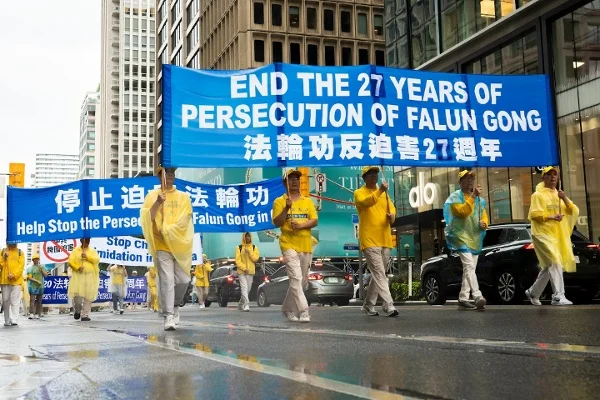
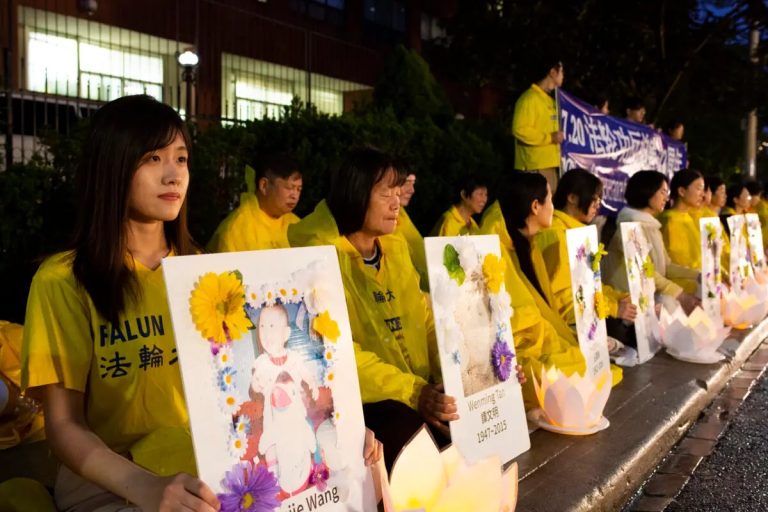
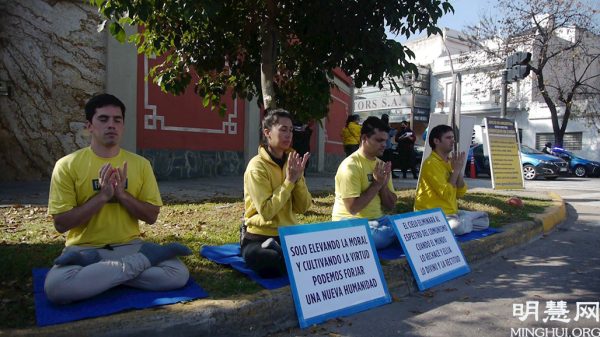
Falun Gong practitioners, identified by their yellow shirts and banners displaying the principles of “Truth, Benevolence, and Tolerance,” and “Falun Dafa Is Good,” had gathered at the event to peacefully share information about their practice. However, their presence quickly drew attention from a group of pro-Beijing individuals.
Success
You are now signed up for our newsletter
Success
Check your email to complete sign up
A man in a white shirt and black cap, carrying a walkie-talkie, was seen pointing out practitioners before directing the mob to attack. Footage shows Ignacio Chirinos, a Falun Gong adherent from Córdoba, being pinned to the ground as his banner reading “The world needs Truth, Compassion, and Tolerance” was ripped from his hands. Other demonstrators were also violently shoved, had their belongings stolen, or were subjected to verbal and physical harassment.
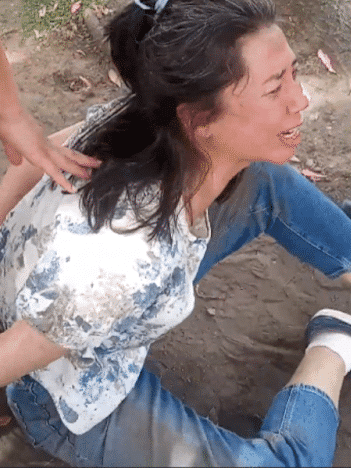
Meilin Klemann, another practitioner, was also assaulted while handing out informational flyers. “When 10 people attack one person, they must remove the one person,” said Klemann as she described the attacks. Despite clear evidence of aggression, local police not only refused to intervene but also arrested Klemann instead of her attackers.
Even more alarmingly, a woman claiming to be from the “[Argentina] Ministry of Security” attempted to steal a Falun Dafa t-shirt from a practitioner and falsely accused her of being a “terrorist.”
Selective detentions in broad daylight
While the attackers faced no significant consequences, multiple Falun Gong practitioners were detained for hours without justification. Romina García, who was holding her 5-year-old son, was kept in custody for over five hours before being released. Klemann also reported experiencing severe pain during detention but remained silent for fear of further mistreatment.

Notably, one of the assailants, briefly detained near the Belgrano neighborhood, was released after a confidential phone call to authorities. He then left the scene in a luxury car with his associates. Meanwhile, peaceful Falun Gong demonstrators were held on trumped-up charges of “resistance, aggression, and assault.”
Klemann noted the suspicious level of preparation behind the attacks, linking them to the previous year’s incident. “So this year, they were more than prepared. The embassy organized dozens of Chinese thugs and local private security to ensure we would not be heard or seen,” she said, adding, “They literally waited for us, and the police were instructed to prevent us from displaying our message.”
A history of CCP-backed harassment
This is not the first time Falun Gong practitioners in Argentina have faced persecution. In November 2018, during the G20 summit in Buenos Aires, Colonel Liu Chang, the Chinese Embassy’s military attaché, reportedly pressured Argentine police to detain nine Falun Gong practitioners and transfer them to the Uruguay border for handover to Chinese agents.
While federal officials ultimately refused, the detainees were still held for 18 hours without being allowed communication or due processing.
Similarly, in 2024, local Falun Dafa practitioners were attacked after raising banners at a Chinese New Year event that reportedly embarrassed the newly arrived Chinese ambassador. But this year’s attack suggests an escalation in efforts to silence the group, with stronger coordination between Beijing’s operatives and local authorities, noted Klemann.
RELATED: Chinese Persecution Survivor Warns of Transnational Repression in the West
Surveillance and foreign influence
During the event, a CABA police photographer was also seen continuously recording Liwei Fu, the president of the Falun Dafa Association of Argentina, despite her objections. Many practitioners suspect that such surveillance is part of a broader effort to collect personal data on Falun Gong adherents, potentially feeding into Beijing’s overseas monitoring efforts.
Fu, who has faced threats and attacks over the past two decades, described the surveillance tactics as yet another form of intimidation. “They literally waited for us, and the police were instructed to prevent us from displaying our message,” she said, adding that she has continued to face “threats and assaults” by CCP-linked actors in Argentina.
The growing evidence of systematic repression raises serious concerns about the CCP’s influence over Argentine institutions. Activists and legal experts warn that such alliances threaten the civil liberties of Argentine citizens and undermine the country’s sovereignty.
A call to action
Despite clear evidence of unprovoked violence against Falun Gong practitioners, legal cases have been opened against the victims rather than the aggressors. This disturbing trend suggests a willingness by local authorities to comply with foreign influence rather than uphold human rights and the rule of law.
RELATED: Communist China Aims for a ‘Fatal Blow’ Against Falun Gong on US Soil
Prominent voices, including lawyer Alejandro Sarubbi Benitez and media host “El Gordo Dan”, have condemned the attacks. They argue that allowing such repression in Argentina threatens democratic principles and sets a dangerous precedent.
Human rights organizations are calling for a thorough investigation into police conduct, accountability for those involved in the attacks, and protections for Falun Gong practitioners facing persecution.
The Jan. 26 attack in Buenos Aires is the latest example of the CCP’s expanding transnational repression tactics to silence and intimidate dissidents beyond China’s borders. While Falun Gong adherents have long been a target of Beijing’s persecution, the increasing complicity of foreign governments raises the stakes for human rights defenders and activists across the globe.