When the cost for a small amount of anything seems outlandish, it may be time to consider what all went into it. As we mentioned in our latest article about Japanese green tea, ounce per ounce, matcha commands a much higher price than other green teas. Nevertheless, it is so popular that suppliers struggle to meet demands, driving prices up further still. Is it worth it? Let’s have a look.
What makes matcha special?
Matcha owes its unique flavor profile to multiple factors. The way it is grown, harvested and processed all contribute to a fresh, mild sweetness; rich, smooth texture; and opaque, vibrant color that cannot be found in other teas.
Shade-grown
While shade-grown tea crops today are almost exclusively Japanese, in its native habitat the tea plant (Camelia sinensis) would naturally grow under the canopy of larger trees. This relationship provided multiple benefits like added protection, fertility, biodiversity and — you guessed it — flavor.

Once the plant became a cultivated agricultural crop, however, it was planted in vast, sunny fields for better yields; but the flavor was more bitter, the plants needed more fertilizer, and they became more susceptible to frost in colder regions.
Japanese farmers re-introduced shade in their tea cultivation in the 16th century to protect new growth from frost damage in the spring. As it became apparent that the flavor and quality of the tea improved with shading, specialty teas like tencha, gyokuro, and kabusecha evolved from the practice. Tencha is the processed whole leaf from which matcha is ground.
Naturally sweet
Success
You are now signed up for our newsletter
Success
Check your email to complete sign up
Tencha has a naturally sweet flavor due not only to its shaded cultivation but also to its intense fertilization schedule. The plants receive three rounds of fertilizer and are shaded for at least 20 days before harvest. Ceremonial grade matcha is made from the sweetest, most delicate leaves from the first harvest of the season.
Delicate texture and flavor
The stems and veins are removed from tencha leaves, so that they can be ground into a fine powder with a silky texture and minimal bitterness.
How much work is involved in producing matcha?
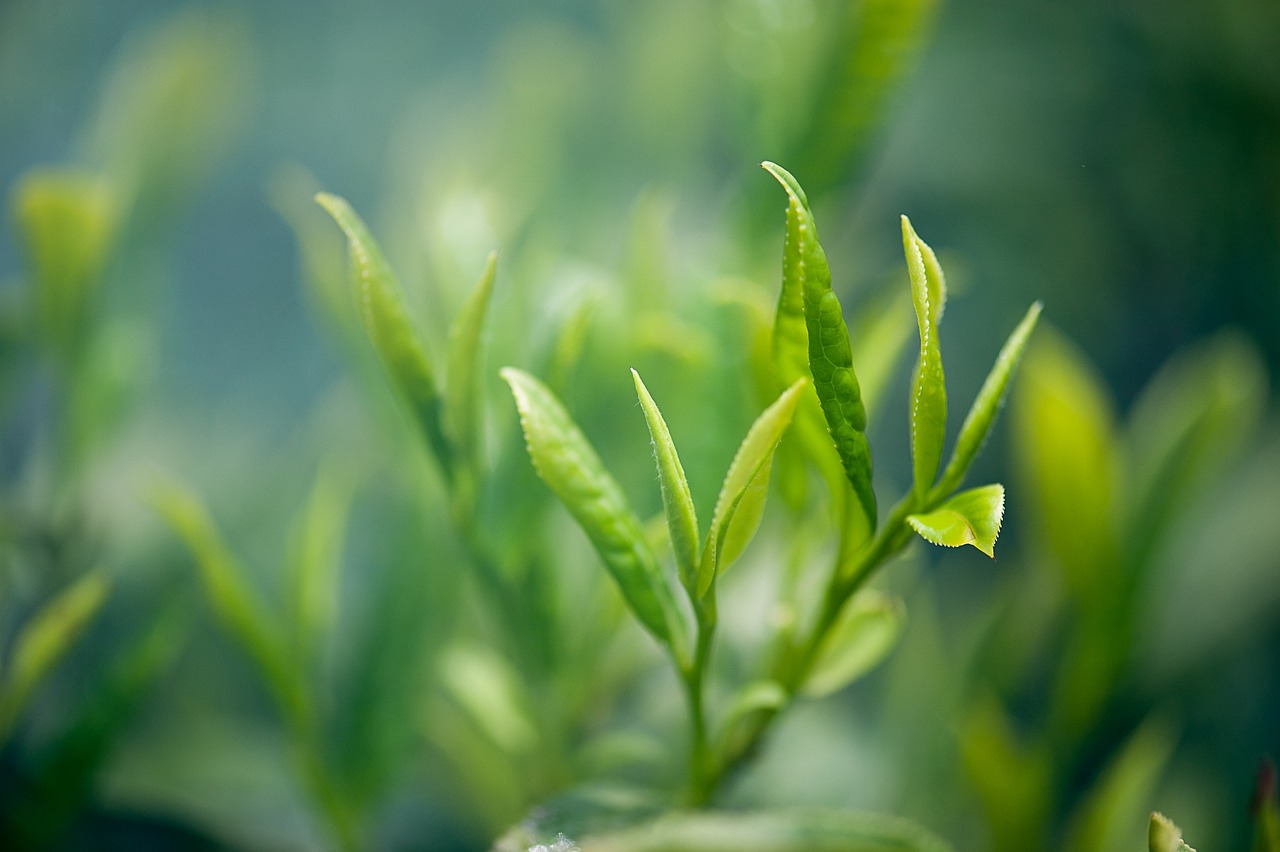
If you imagine doing all the work involved to produce matcha yourself, $25 per ounce seems a small price to pay. From tending the plants to harvesting the leaves, and all the careful processing involved, creating your own matcha would cost a small fortune in time, energy and dollars.
Tending tea plants
Like any plant, tea requires basic care such as watering, mulching, pruning and fertilizing; and this goes on for years before they even reach a mature age for harvest. In addition, shade-grown tea production requires placing large tarps or screens over many long rows of bushes, maintaining them in place for three weeks or more, and then removing and storing them when not in use.
Harvesting
Harvesting tea leaves is labor-intensive, tedious work that requires endurance and precision. Mechanical tea harvesters are much faster, but they lack precision. For high quality teas like matcha, only the top three leaves from each stem are taken, so they are often hand-picked.
With proper pruning, each tea plant will become very full and bushy, with hundreds of stems to carefully snip. Harvest can happen up to four times per year, but the first harvest yields the best flavor and most nutrients. Ceremonial grade matcha comes from the first harvest.
Since quality degrades with each subsequent harvest, some farmers choose to use the final harvest as fertilizer, returning nutrients and organic matter to the soil for the plants to absorb through the winter.
Processing matcha

After harvest, the leaves are carefully processed:
To preserve the vibrant color and fresh flavor, the leaves are promptly steamed. Before they can be dried, they must be cooled without introducing additional moisture. Drying is a highly controlled process because the rate at which leaves dry impacts the flavor of the tea.
After the leaves are dry, the stems and veins are removed. This meticulous effort ensures a pure flavor with no unwanted bitterness. It is usually done by machine, but still! At this point the leaves are known as “tencha,” or unground matcha. The dried leaves are stored frozen, in airtight bags, to preserve freshness.
For consistency in flavor and quality, tea producers usually blend tencha leaves from different years to produce their signature matcha.
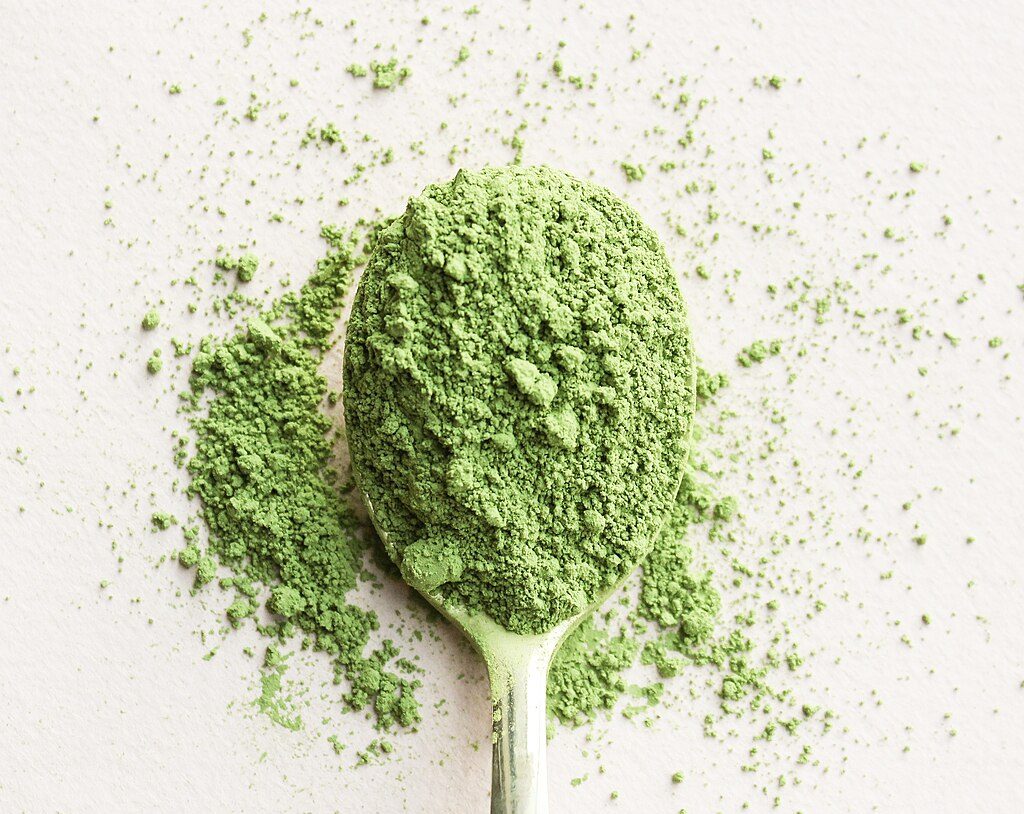
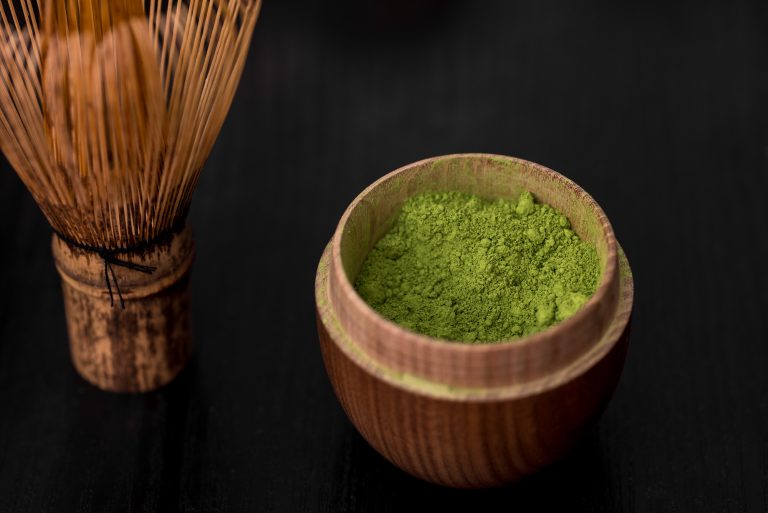
Finally, the leaves are ground into a super-fine powder with an ishi-usu stone mill. This process is necessarily slow, because the heat produced by friction in fast grinding can impair the taste, nutrient content and freshness. This explains why you’ll notice culinary matcha (ground by machine) is distinctly duller in color, more bitter tasting, and coarser textured.
To grind an ounce (28 grams) of ceremonial-grade matcha takes almost an hour! The result is a silky-soft, verdant powder, packed with fresh flavor and nutrients (and a decent dose of caffeine).
Cost comparison: Coffee and Loose Teas vs. Matcha
So now you can see why a tiny tin of matcha costs $20 – $30, but did you realize that this tin actually contains 30 servings? Ounce per ounce, matcha may seem much more expensive than coffee or other teas, but since you only use one gram per cup, the difference in cost per use becomes almost negligible.
At the risk of comparing apples with oranges, consider this:
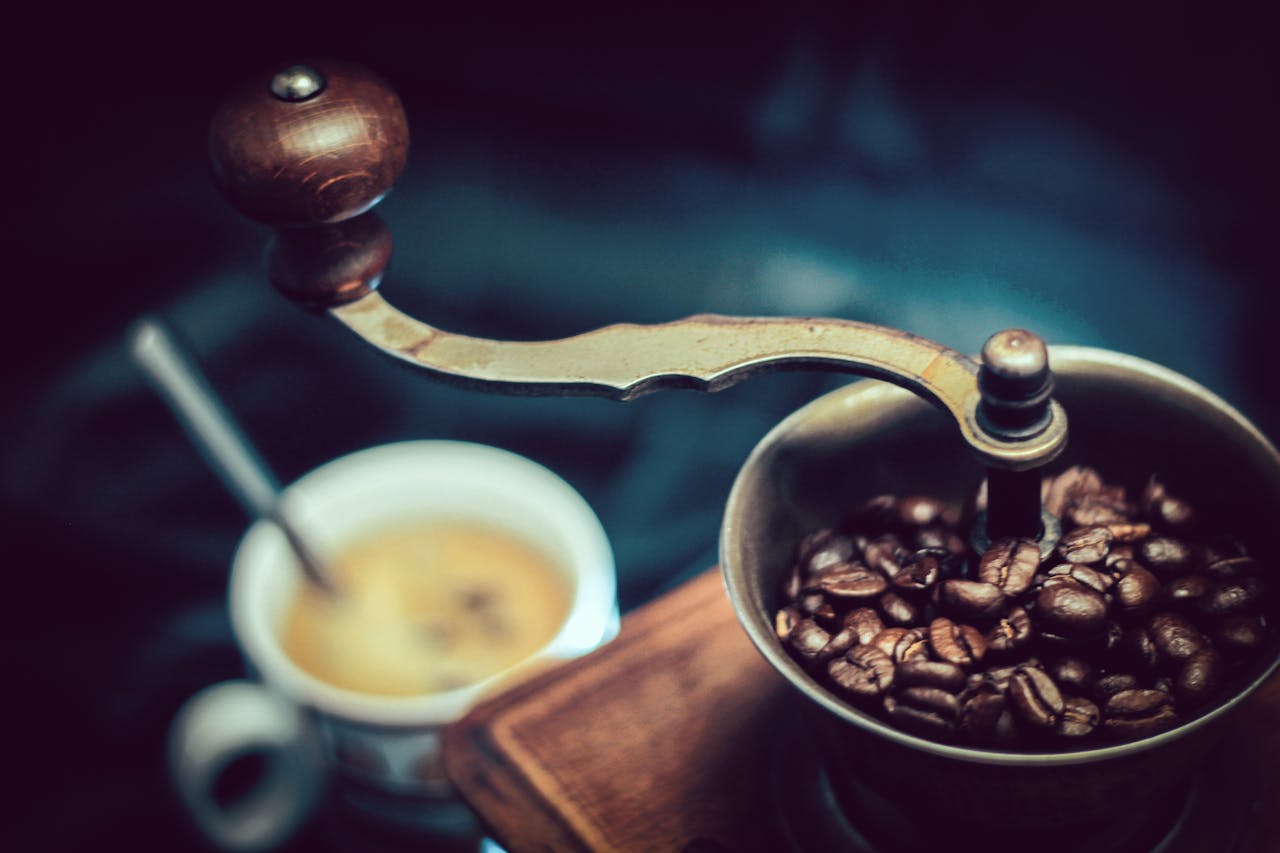
If you brew your own coffee, you probably pay around $1.00 per ounce of beans (ground or whole). Each cup of brewed coffee uses about 9 grams (⅓ ounce) of ground coffee, which amounts to roughly 35 cents per serving. Of course, many coffeephiles spend far more than that for coffee outside the home.
Tea is quite variable, but let’s say a decent loose-leaf would cost around $3.50 per ounce. If you use about 3 grams per cup, then the cost per serving (home brewed) is roughly the same as coffee, at 38 cents.
Matcha could cost up to $25 per ounce (or 30 gram tin). Since you use only one gram per cup, your matcha — and all that has gone into it — is really quite a bargain at only 83 cents per serving!
In the end, fads come and go, and prices fluctuate for many reasons. This season seems to be shaping up for a great tea harvest; so fretting about how much your green brew costs may just be matcha do about nothing.