Nowadays, people are looking for new, eco-friendly fabrics that are strong, durable, and comfortable; but if you could ask Cleopatra, she would surely suggest ramie, as this natural fiber was widely used thousands of years ago.
As the saying goes, “Old is gold,” and ramie is gaining popularity once again. This tough, breathable and sustainable material is also resistant to pests and mildew. But what exactly is ramie? How is it made, and what are its benefits and drawbacks? Here we will look at all these particulars and some popular applications for ramie.
What is ramie?
Ramie is a natural fiber obtained from the stalks of ramie (Boehmeria nivea), a non-stinging member of the nettle family.
This perennial shrub can grow up to 8 feet tall. It has long, slender stems with a fibrous inner bark — the source of ramie fiber.
Ramie leaves are heart-shaped, green on top, and silvery-white underneath. The plant thrives in warm, humid climates with well-drained soil, and its fast-growing nature allows for multiple harvests each year.
Success
You are now signed up for our newsletter
Success
Check your email to complete sign up
This plant grows mainly in China, India, and Southeast Asia. Ramie has been cultivated for thousands of years, dating back to ancient China, Egypt and India, where it was used to make fabrics, ropes, and other textiles.
Ramie is similar to linen but has unique properties that make it different. Ramie is known for being one of the strongest natural fibers, even stronger than cotton and linen when wet.
Fun facts
- Ramie has been used for over 6,000 years, making it one of the oldest textile fibers in the world.
- Ancient Egyptians used ramie to make mummy wraps because of its durability and resistance to decay.
- Ramie was one of the first fibers introduced to Europe in the Middle Ages.
- Some banknotes and specialty papers use ramie fiber for added strength.
Production of ramie
The process of making ramie fabric involves several steps:
1. Harvesting – The ramie plant is cut when it reaches a certain height.

2. Stripping – The outer layer of the stalk is removed to get the fiber inside.
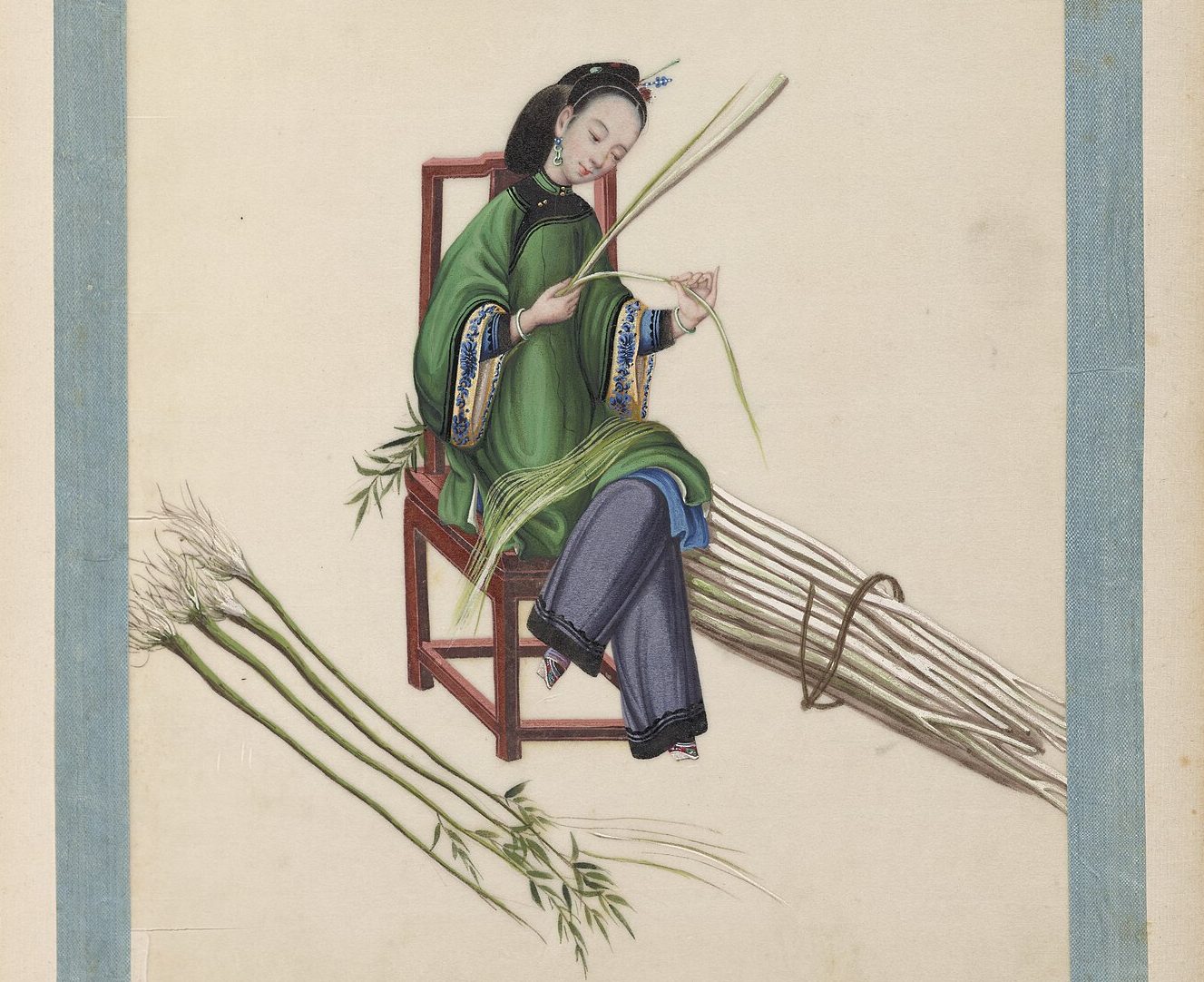
2. Degumming – Natural gums and resins in the fiber are removed to make it soft and flexible.
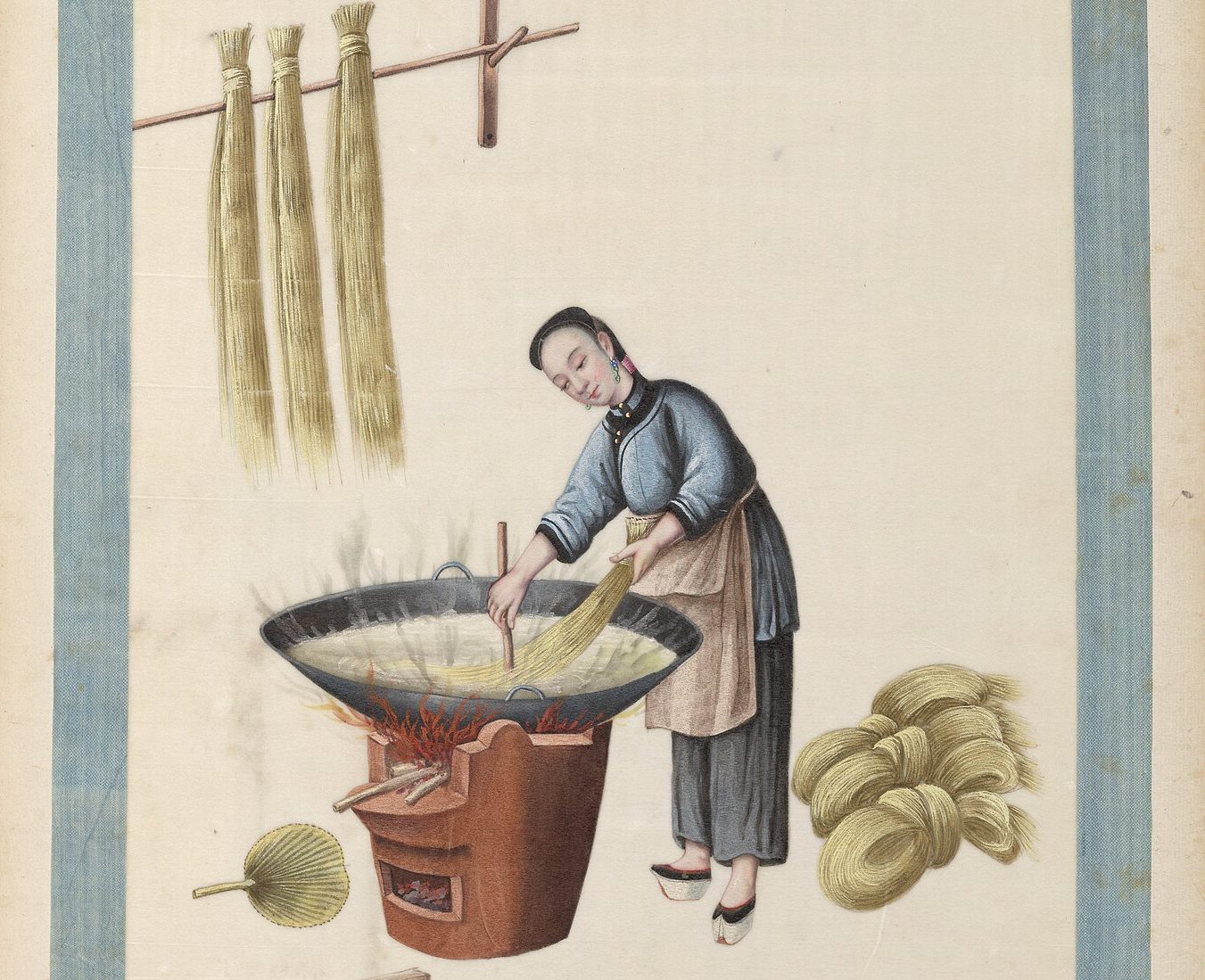

4. Spinning – The cleaned fibers are spun into yarn.
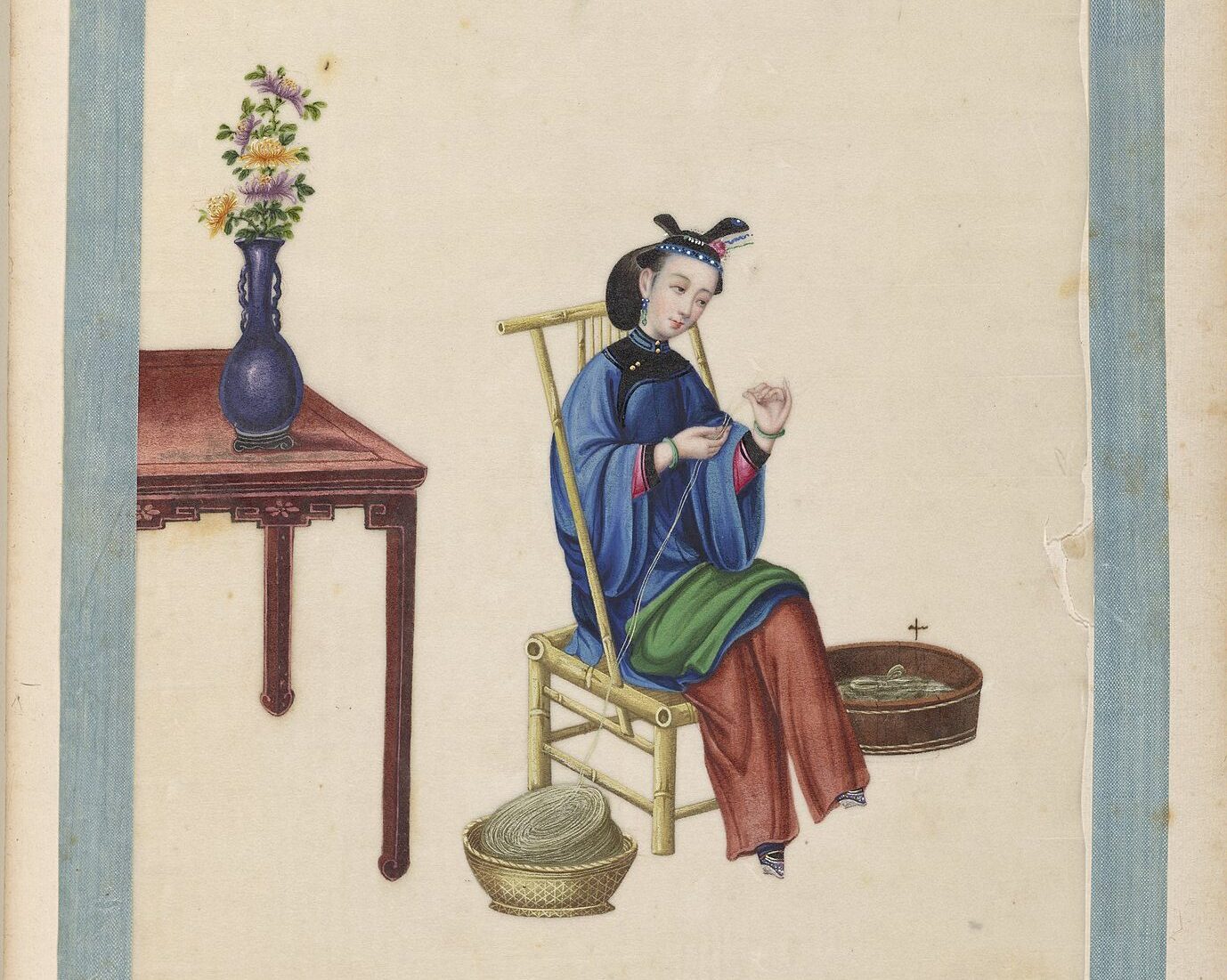
5. Weaving – The yarn is woven into fabric, which can be used for clothing, home decor, or industrial purposes.

Because ramie fibers are naturally stiff and rough, they are often blended with other materials like cotton or wool to make them softer and more comfortable.
Pros of ramie fabric
Ramie fabric has many advantages that make it a great choice for different applications:
- Durability – Ramie is one of the strongest natural fibers, and it becomes even stronger when wet. It resists wear and tear, making it long-lasting.
- Breathability – It has excellent moisture-wicking properties, keeping the body cool in hot climates.
- Resistant to pests & mildew – Unlike cotton, ramie naturally resists bacteria, mildew, and insect pests.
- Eco-Friendly and sustainable – Since ramie is very pest resistant, it does not require chemical pesticides. Plants do not require excessive irrigation, and they can be harvested several times per year.
- Lustrous appearance – The fabric has a natural sheen similar to linen, making it visually appealing.
- Holds shape well – Because it resists shrinking and stretching, ramie retains its structure over time.
- Quick drying – Ramie is a light material that dries faster than many other natural fibers, making it a good choice for humid environments.
- Highly absorbent – Ramie absorbs water and dyes readily, so it is suitable for towels and colorful garments.
Cons of ramie fabric
- Stiffness and wrinkling – It can be stiff and prone to wrinkles, much like linen, making it harder to maintain a smooth look.
- Brittle texture – Despite its strength, pure ramie can be brittle and break down over time if not blended with other fibers.
- Expensive processing – The fiber requires intensive processing to remove its natural gums and make it usable as fabric.
- Coarse feel – While ramie softens over time, it is initially rougher than cotton or silk, making it less comfortable for some wearers.
- Limited stretch – Ramie is not very elastic, which can limit its use in certain garments that require flexibility.
Common uses of ramie

Ramie is used in various applications due to its durability and natural properties:
- Clothing – Often blended with cotton, wool, or synthetic fibers to make durable and breathable garments such as shirts, dresses, and summer wear.
- Home textiles – Used to create tablecloths, napkins, upholstery, and curtains because of their strength and mildew resistance.
- Industrial uses – Employed in making ropes, nets, canvas, and sacks due to its high tensile strength.
- Paper production – Used for making high-quality specialty papers, including banknotes and documents requiring extra durability.
- Arts and crafts – Utilized in crafting materials, fine art canvases, and decorative fabrics.
- Healthcare – They are used in making bandages and other medical textiles due to their antibacterial properties.
- Eco-friendly alternatives – As a sustainable fiber, it is used in eco-conscious fashion and green textile projects.
As a fascinating and useful fabric with a long history and many benefits, ramie is a valuable alternative to synthetic and less-sustainable fibers. If you are looking for durable and environmentally-friendly clothing, ramie’s got you covered.