Who doesn’t love wearing fashionable outfits complemented with stylish accessories? At parties, we often take pride in showcasing our apparel, happily sharing where we got it. Yet oftentimes the elation fades when we consider what went into making the product. Many materials are damaging to the environment, harmful to animals, or both — and we begin to wonder whether there is a better option.
What if there were a vegan leather that looks and feels like the real thing? Sounds too good to be true? It’s actually possible, thanks to two innovative entrepreneurs who have developed leather from cactus leaves! It’s cactus leather.

About cactus leather
Unlike the synthetic leather which became popular in the mid 20th century, cactus leather contains neither polyurethane, polyvinyl chloride, nor silicone.
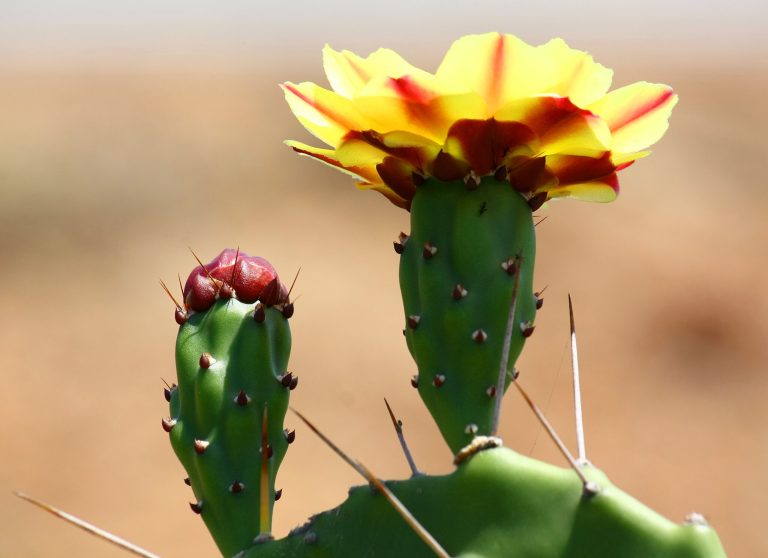
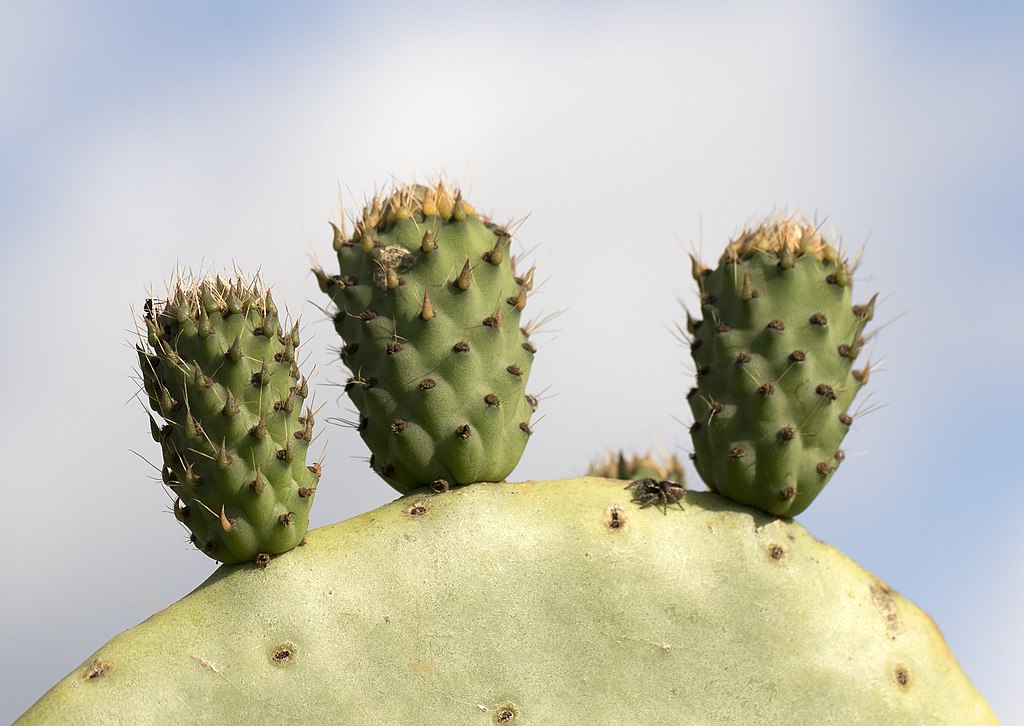
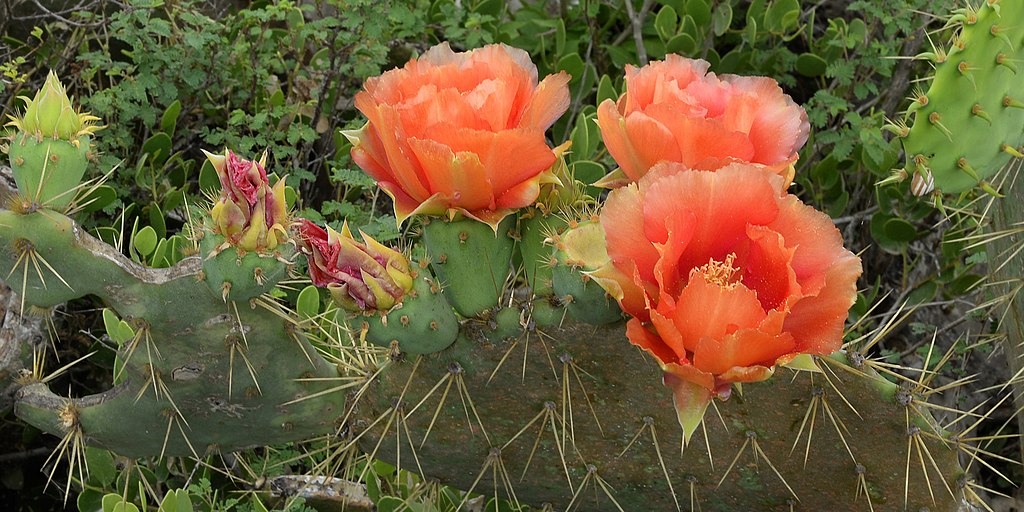
Cactus leather is a plant-based material made from the prickly pear cactus, also known as the Nopal cactus. It looks and feels like real leather but is better for the environment, and for our animal friends. As a chemical-free, biodegradable, vegan option, it is a smart choice for all our leathery needs.
Brilliant discovery
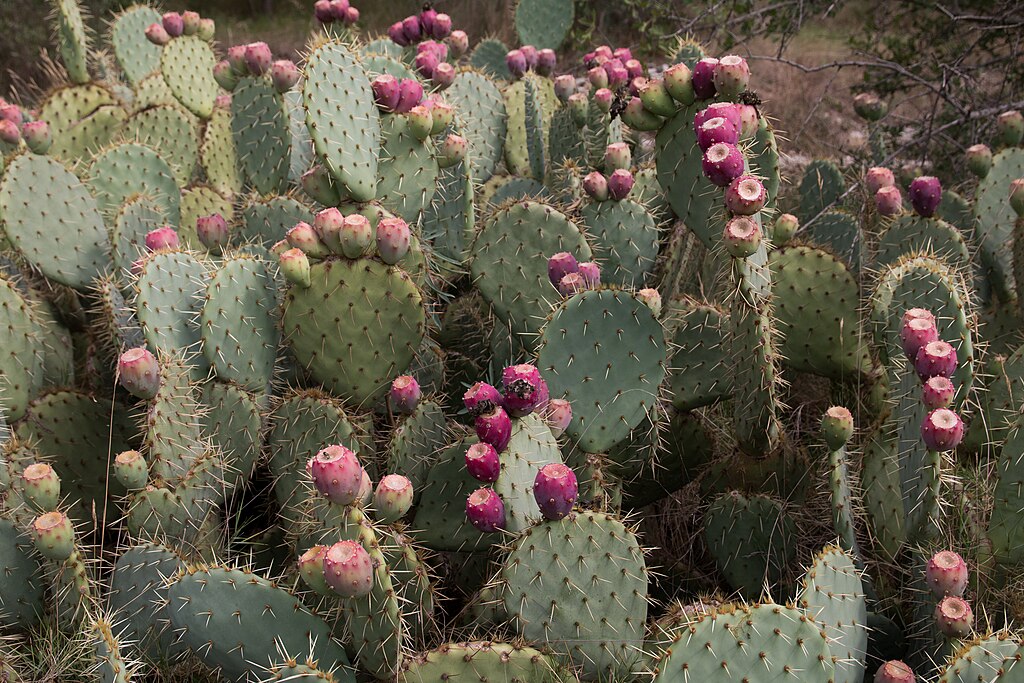
The story of cactus leather began in 2019 when two creative Mexican entrepreneurs, Adrian Lopez Velarde and Marte Cazarez, wanted to find a way to reduce the environmental impact of animal leather and plastics. After studying the resilient cactus plant that grows in Mexico’s deserts without much water or chemicals, they developed Desserto, the world’s first vegan cactus leather.
Process of extracting
Success
You are now signed up for our newsletter
Success
Check your email to complete sign up
Making cactus leather is surprisingly simple. This process uses much less water and energy compared with traditional leather production.
- Harvesting: Mature cactus leaves are carefully cut, leaving the plant intact so it can grow back.
- Drying: The leaves are dried for three days using only the sun’s energy.
- Processing: The dried leaves are crushed and blended with natural binders to create a leather-like material.
- Finishing: The cactus leather is dyed and polished to mimic real leather.
Cactus leather — a better alternative
Cactus leather stands out for its eco-friendly and ethical benefits.
- Harmless: Cactus leather is completely vegan — No animals are harmed in its production.
- Environmentally friendly: Aside from the cost of billions of animals’ lives, dangerous chemicals and an incredible amount of water is required to turn their hides into leather. Cactus leather liberates us from all of that.
- Biodegradable: While pleather can take hundreds of years to break down, cactus leather decomposes naturally after the product is discarded.
- Durable: Even though it is biodegradable, cactus leather can last for many years, and is durable enough for heavy-use items like boots and jackets.
- Breathable and lightweight: Cactus leather is far-from prickly. It is soft, light, and comfortable enough for both apparel and interior design.
Cactus leather usage
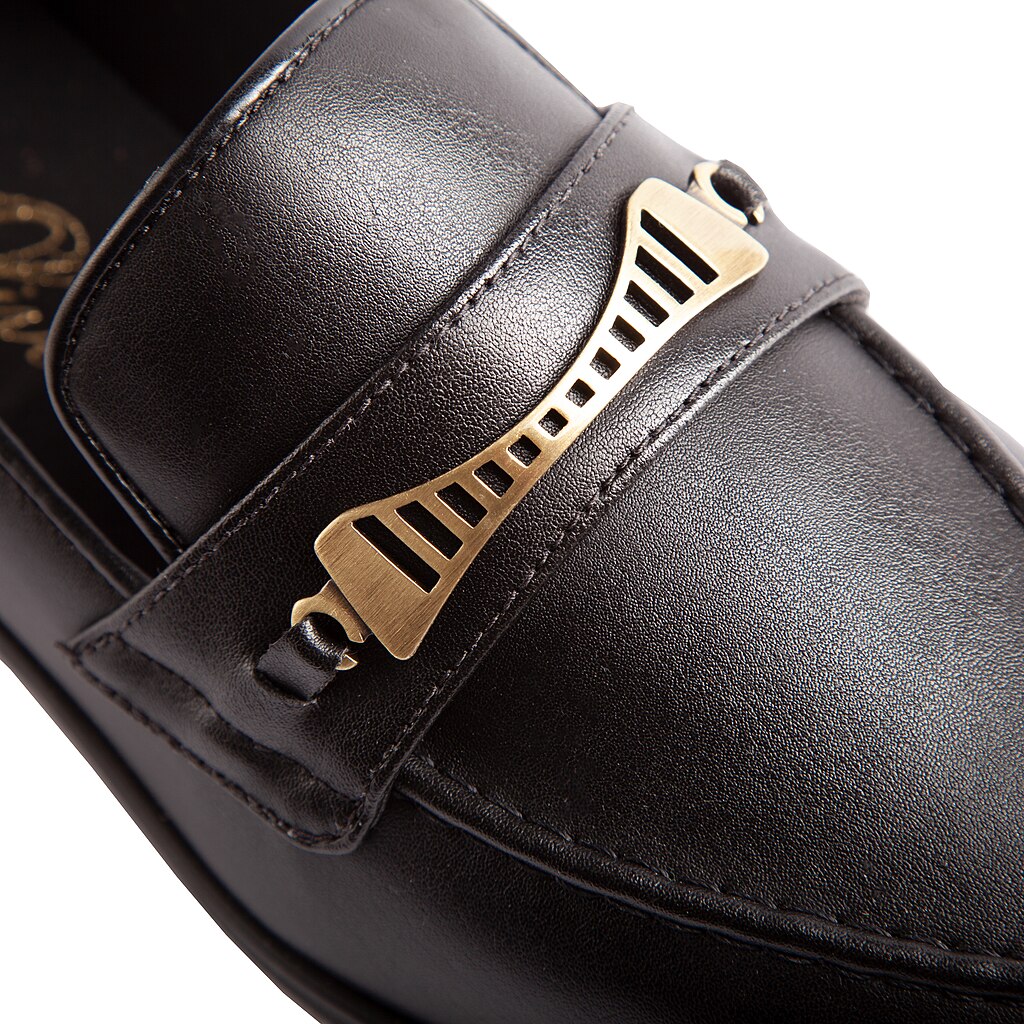
Cactus leather is versatile and can be used in many industries, including:
- Fashion: Handbags, shoes, jackets, belts, and wallets are already being made using cactus leather.
- Automobiles: Car companies are exploring its use for seats and interiors to make cars more sustainable.
- Furniture: Cactus leather covers are being used on sofas and chairs.
- Accessories: Phone cases, watch straps, and even jewelery are crafted from this material
With its stylish appearance and eco-friendly appeal, cactus leather is gaining popularity among fashion designers and brand names.
Challenges of Cactus Leather
Everything in the world comes with pros and cons, and cactus leather is no exception. Its chief challenges include the following:
- High cost: Compared with synthetic leather, it is currently more expensive to produce cactus leather.
- Market Awareness: This relatively new product is not yet widely known and recognized.
- Production limitations: Since cactus plants need time to regrow, large-scale production is not immediately possible.
- Durability: Compared to the longevity of premium animal leather, cactus may be less durable.
However, the future of cactus leather looks bright; because it’s not just material — it’s a symbol of innovation, sustainability, and compassion.
Eco-friendly alternatives are quickly gaining favor because they provide a glimpse into a future — where fashion and design protect the environment and animal welfare. Thanks to growing interest and advanced technology, we can expect cactus leather to overcome its challenges in the near future.
By choosing products made from cactus leather, consumers can support a greener planet and inspire industries to adopt more sustainable practices. The journey of cactus leather has just begun, and its story is one of hope for a better world.