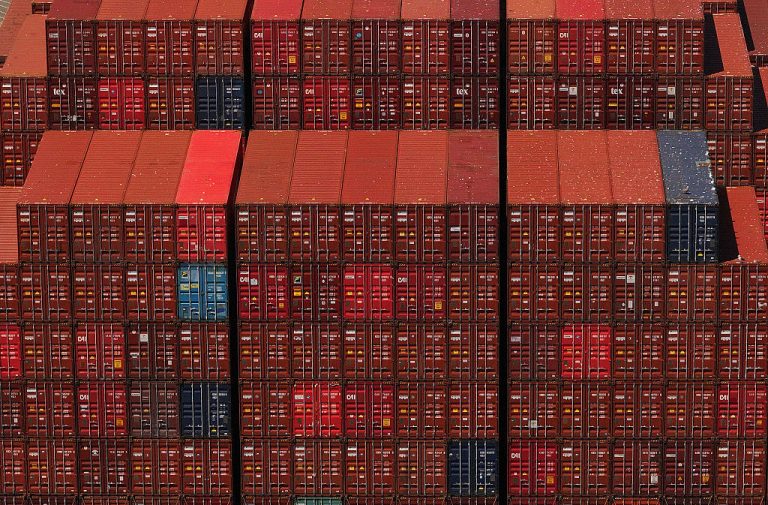
U.S. port activity — particularly along the East Coast — has experienced a significant downturn in recent weeks, largely due to the steep tariffs imposed by President Donald Trump on Chinese imports. These tariffs, which have reached up to 145 percent on Chinese goods, have led to a sharp decline in shipments from China, affecting major ports across the country. The situation is anticipated to deepen over the coming weeks and months.
As soon as next week, the Port of Los Angeles expects cargo volumes from Asia to plummet by up to 35 percent compared to the same period last year due to the tariffs.
“It’s a precipitous drop in volume, with a number of major American retailers stopping all shipments from China based on the tariffs,” Gene Seroka, the port’s executive director, told CNBC TV on April 29.
Seroka says that imports from China account for approximately 45 percent of the port’s business and that the trade disruptions currently unfolding will likely have consequences that will reverberate well beyond Los Angeles.
While President Trump has implied that a resolution was nearing and that his administration was in talks with Chinese authorities, no sign to an end to the conflict has emerged yet.
Success
You are now signed up for our newsletter
Success
Check your email to complete sign up
Meanwhile, ocean container bookings from China to the U.S. have dropped by 60 percent following the early April tariffs, and the decline has prompted ocean carriers to cancel 25 percent of their sailings, significantly reducing capacity, according to Ryan Petersen, founder and CEO of Flexport, a San Francisco based freight forwarding and logistics company, KOLN-TV reported.
RELATED:
- Tensions Ease as US and China Hint at Willingness to Scale Back Tariffs
- Beijing and Vietnam Ink Agreements During Xi’s Hanoi Visit as US Tariff Pressure Looms
Business leaders adjust
In order to adjust to the situation, business leaders are opting to increase shipping volumes from other Southeast Asian ports to take advantage of the lower 10 percent tariff rate applied by the Trump administration on most imports.
However, it’s expected that regional trade will remain “very light at best” until the U.S. and China can come to the table and find a solution, Seroka said.
In the first quarter of 2025 cargo volumes actually increased by 14 percent year-over-year as American companies attempted to build up inventories ahead of the expected tariffs, a trend that has shifted dramatically.
Retailers are bracing for the impacts which could arrive on consumer shelves within the next few weeks.
“Realistically, what we’re going to see next is that retailers have about five to seven weeks of full inventories left, and then the choices will lessen,” Seroka said. “I don’t see a complete emptiness on store shelves or online when we’re buying, but if you’re out looking for a blue shirt, you might find 11 purple ones and one blue, and a size that’s not yours.”
Seroka added that the “blue shirt” may actually come with a price hike.
Some anticipate a worse outcome. Apollo’s chief economist, Torsten Slok, is warning of empty shelves and a potential recession this summer as tariffs impact both the logistics and retail industries.
READ MORE:
- Chinese Report Surge in Leukemia Cases, Post-Vaccine Complications and Deaths
- US House Names China’s DeepSeek a Security Threat, Investigates Chip Origins
- Shanghai’s Population Crisis Deepens Amid Migrant Exodus, Dwindling Birth Rates
Broader implications
The United States economy actually contracted by 0.3 percent in the first quarter of 2025, marking the first decline in three years. This downturn is partly due to a surge in imports prior to tariffs and a sharp slowdown in consumer spending.
In addition, a number of American businesses are cancelling orders from China, postponing expansion plans and waiting to see how Trump’s plan unfolds.
Judah Levine, research director at the global freight-booking platform Freightos told the Associated Press (AP) that in the next few weeks, “you could start seeing shortages… it’s likely to be concentrated in categories where the U.S. is heavily dependent on Chinese manufacturing and there aren’t a lot of alternatives and certainly [no] quick alternatives.”
Furniture, baby products and plastic goods, including toys, are expected to be the most impacted.
Jay Foreman, CEO of childrens’ toy producer, Basic Fun, told the AP that he has paused shipments on Tonka trucks, Care Bears and other popular toys from China following Trump’s announcement of tariffs in April.
“Consumers will find Basic Fun toys in stores for a month or two but very quickly we will be out of stock and stock products will disappear from store shelves,” he said.
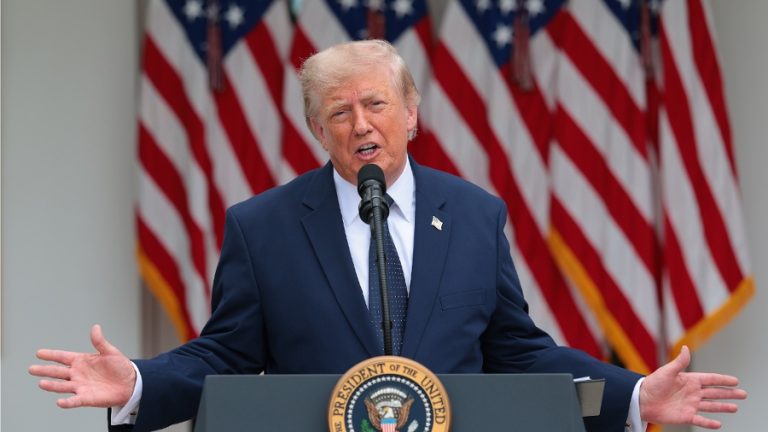
On March 9, in conversation with Fox News, Trump said that his tariff policies would result in “short-term pain” which would lead to “long-term gain,” and that there would be a “transition cost” to pay.
“In the end it’s going to be a beautiful thing,” Trump said.