Published with permission from LuxuryWeb Magazine
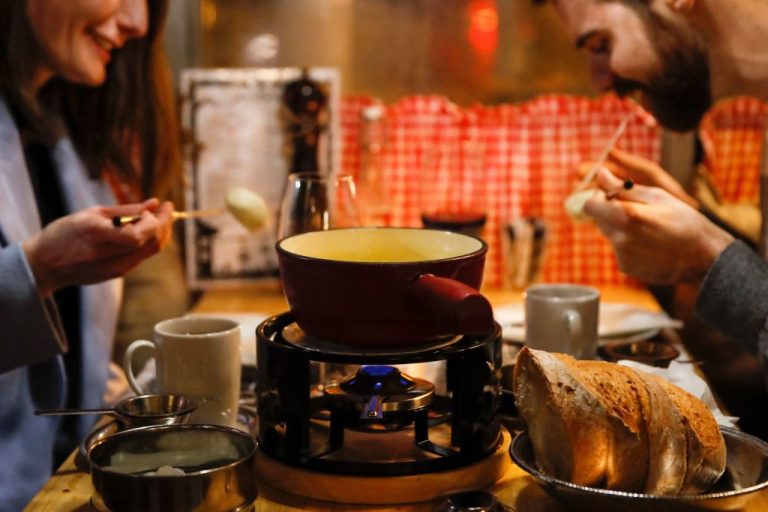
Fondue began as a humble dish — just stale bread dipped into melted cheese. On Swiss Alpine farms, it was a clever and frugal way to feed families using what was already on hand. Leftover bread? Melt some cheese. Nothing was wasted.
Today, fondue has evolved into something far more refined — and when done right, it becomes an experience as much as a meal.
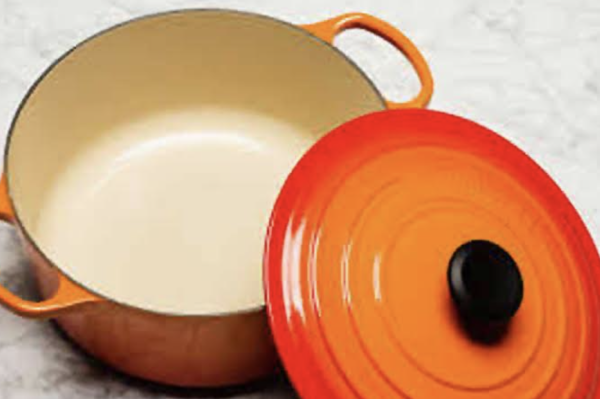
When we first began making fondue at home, we doubled the recipe we had received from the Royal Club Evian’s kitchens. That meant needing a larger pot than the standard one typically used for fondue. We found that the Le Creuset Enameled Cast Iron Cocotte distributes heat beautifully. While it’s heavier than the classic earthenware coquelon or the small metal fondue pots most people use, it has two handles and is just as easy to handle and move.
RELATED: Yiouvarlakia: How to Make This Comforting Greek Meatball Soup With a Hint of Lemon
Success
You are now signed up for our newsletter
Success
Check your email to complete sign up
From Le Creuset, we also sourced a cast iron burner that works with tinned jelled alcohol — similar to the kind used for buffet warming trays. It’s widely available, even in most supermarkets.
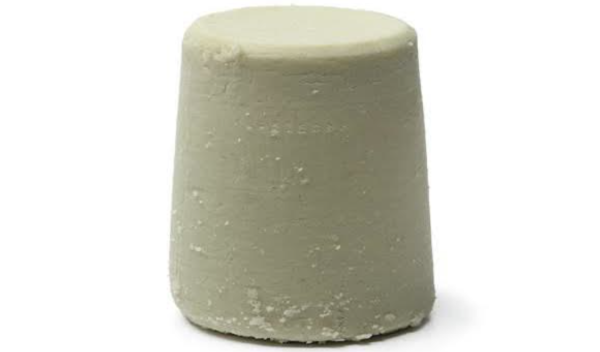
We use a variation of the classic recipe, incorporating a custom blend of cheeses. Gruyère is the traditional base, of course, and I use a 50/50 mix of both well-aged and young Le Gruyère brand cheese. To that, I add about two teaspoonfuls of grated green Sap Sago cheese for a distinctive and exceptional flavor.
All the cheeses are melted into a base of warmed dry white wine, with 1/8 cup of Luxardo’s Marascino in place of the more traditional Kirsch, and two teaspoonfuls of fresh lemon juice.
I’m particularly excited about the wines we paired with our fondue—one for cooking, and one for drinking. For the cooking wine, I used Kados by Duca di Salaparuta — a dry white Grillo from Sicily. It’s affordable, but flavorful enough to both cook with and enjoy on its own. Its bright acidity pairs wonderfully with the richness of the melted cheese.

The drinking wine we served with the fondue was from Cantine Ermes, a cooperative in the heart of Sicily’s Belice Valley. Called Vento di Mare Moscato, it’s a semi-frizzante wine made from the Muscat grape, which thrives in Mediterranean climates. This off-dry, aromatic, and lightly effervescent wine is inexpensive yet incredibly enjoyable. We thought it complemented the fondue beautifully.
Since the quality of the cheese ultimately defines the fondue’s flavor, I make sure to source the best — both young and properly aged — imported by Le Gruyère. I dredge the cheese mixture in a tablespoon of flour before melting.
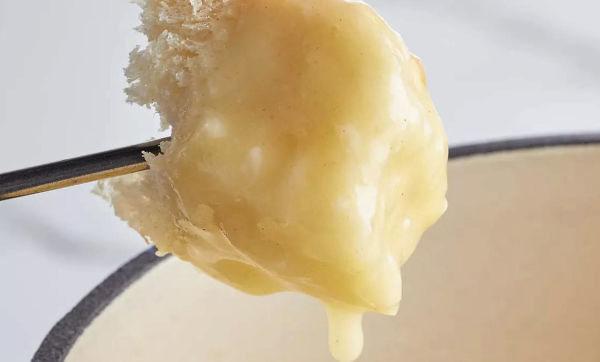
For aromatics, I use two pinches of nutmeg, one medium-sized pressed garlic clove, and freshly ground green Malabar pepper. Instead of simply rubbing the pot with a cut clove of garlic, as is customary, I press the garlic and lightly brown it in a teaspoon of sweet butter at the bottom of the cocotte before adding the wine.
As for dunkables, I prefer a classic: a well-sliced baguette with a firm crust. Unfortunately, it’s hard to find a proper French-style baguette in our area. While there are plenty of so-called “Italian” loaves, most are too soft, with a spongy texture.
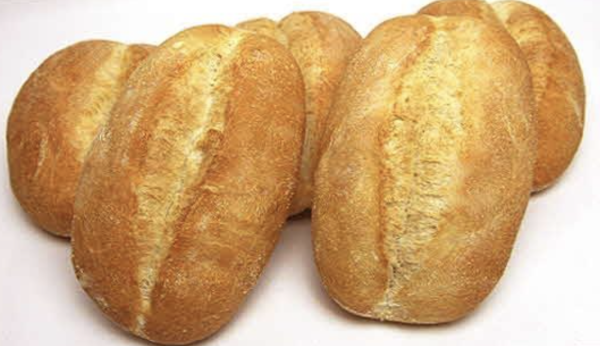
Last time we made fondue, we improvised with fresh Portuguese hard rolls from a local bakery. We cubed three rolls into one-inch pieces, each with a bit of crust. While not as good as a true baguette, they were a significant improvement over the supermarket’s soft “Italian” bread.
There are plenty of alternative dunkables for cheese fondue, but I’ll admit; I’m a purist. For me, it’s bread or nothing.
Key ingredients
- Cheese: My blend includes both well-aged and young Gruyère, plus two teaspoonfuls of grated green Sap Sago for added complexity.
- White Wine: Go for a dry white — like Chablis or Assyrtiko. I’ve found Sicilian Grillo to be a great and more accessible substitute.
- Lemon Juice: Two teaspoonfuls of fresh lemon juice help brighten the dish and balance the richness.
- Kirsch: This cherry brandy adds a distinct note. When unavailable, Italian Marascino (my go-to) is an excellent stand-in.
- Flour: A tablespoon of wheat flour helps stabilize and thicken the mixture. While some use cornstarch, I find flour gives the best texture.
- Seasonings: I season with nutmeg, pressed garlic, and ground green Malabar pepper. Occasionally, I’ll add a pinch of smoky sweet paprika — specifically Spanish Pimentón de la Vera — especially if I’m using only young Gruyère. It gives the fondue a whole new flavor dimension.
Ultimately, any dish is only as good as the ingredients you put into it. And when it comes to fondue, that rule is everything. Enjoy!
Visit LuxuryWeb.com to see the original article, and more.