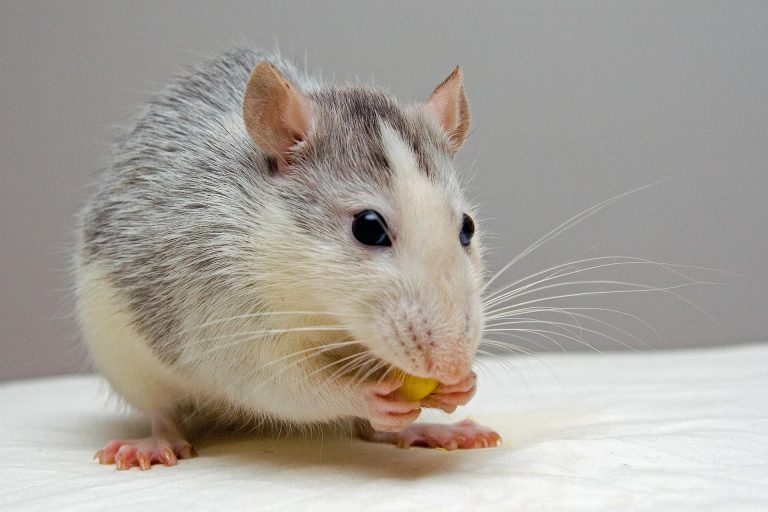
If you have any experience with rats, you probably know that they are smart and sneaky. They can also be stubborn pests that are hard to remove once established. For people in rural areas, a wood rat here and there is to be expected. As a gardener with a plot carved into the forest, I often have other animals stealing feed from my chickens — including rats.
The real problem begins when rats take up residence and multiply. A few rats in a cozy nest can quickly become dozens of hungry rodents that will wreck your garden and alarm your neighbors. Here I will share some effective ways to keep your garden relatively rat-free, naturally.
What attracts rats?
The first step in getting rid of rats is recognizing what brought them there in the first place. Any area that offers easy hiding, plentiful food and undisturbed shelter will attract rats, but you can control these elements to some degree.
Cover
While chipmunks and squirrels scamper about obliviously, rats prefer to work undercover. Lush ground cover or dense plantings provide ample areas to hide from predators and other prying eyes.
- Minimize areas with dense plant coverage.
- Keep your yard tidy and remove any debris that could provide cover.
Food

Unlike urban rats, who eat just about anything, country rats are primarily herbivores, feeding mainly on seeds, plants and fruits. Bird feeders, pet food, and livestock feed are notorious for attracting rats, but they will also enjoy your garden vegetables and fruits.
- Choose feeders that prevent the scattering of leftovers — like a rat-proof treadle feeder.
- Protect susceptible plants and seedlings with wire mesh.
- Store feed in secure metal containers.
- Maintain a rat-resistant composter: protect your pile with wire mesh, or keep it enclosed and off the ground.
Shelter
Success
You are now signed up for our newsletter
Success
Check your email to complete sign up
Rats like a protected area to build their burrow, where they store food and collect materials to make a cozy home.
- Rake and remove leaves to minimize nesting materials. Leaves piled on the ground offer an inviting winter residence — learned from experience!
- Fill in holes to inhibit nesting. A 1-½ inch hole in the ground is a likely indication that you have a rat burrow.
- Remove old stumps and dead wood, which offer ideal crevices for burrowing.
- Stuff small openings in structures with steel wool to prevent access.
What repels rats?

Due to their keen sense of smell, rats can be effectively repelled by certain scents, including some that we especially enjoy — like lavender, peppermint, lemon oil and eucalyptus. Less pleasant scents, like ammonia, cat urine and neem oil are also effective rat repellents.
- Make a rat repellent spray, using one part vinegar and one part ammonia. Periodically spritz the areas where you see evidence of rats.
- Add aromatic plants like mint, lavender, catnip, lemon balm or lemon grass to your garden.
Repelling rats works best as a preventative, since once they learn that something good can be had, they are willing to tolerate some stench to get at it.
Catching rats

It is said that rats and humans share over 90 percent identical DNA — this is one reason they are favored for lab testing. Another reason is that they are incredibly intelligent. They can remember, learn complex tasks, and have no problem solving problems. This also makes them tricky to catch. Try these few pointers to improve your odds:
- Set traps in the evening, when the rats are more active. If you don’t catch a rat by morning, close the trap to prevent catching other animals during the day. Replace the bait (peanut butter works well) next evening, since even rats prefer fresh food.
- Because they have poor eyesight, rats rely on scent to find their food. Oftentimes, when people set traps, they don’t use enough bait to get the rat’s attention. One technique that really improved my trapping rate was to smear peanut butter at the entrance of the trap. This broadcasts the scent and invites them in to set off the trigger, where the jackpot is placed.
- Use the right trap. A live trap between 12 and 18 inches in length is ideal for catching rats. Avoid traps with wide spacing between the wires, as this enables the rats to reach in for the bait without entering the trap.
- Remove trapped rats as early as possible to prevent them from warning their companions about getting caught.
- If you have a large infestation, invest in a multi-catch rat trap from the beginning. Otherwise, you will notice that the remaining rats quickly learn to avoid traps.
- If you aim to catch and release, be sure to take them to a natural area at least three miles away, where they can find a new home without creating problems for other people. Any closer that that and they will likely return.
Killing rats
Although these clever animals make stubborn pests, they are also living beings that deserve some respect. Before you break out the big guns, do your best to drive them away: Limit access to food, shelter and cover; fill in their burrows; repel them with scents; and try to catch and relocate as many as possible. It may shock you, but rats have been known to bury their dead.
There is nothing nice about killing, but sometimes it cannot be avoided. If it comes to this as a last resort, at least we can minimize its impact on unintended targets and aim for minimal suffering.
Poison
Because rats are always after food, poison is a reliable way to kill them. Unfortunately, poisoned rats in the food chain can harm predators like hawks, owls, cats, snakes, or any other secondary consumer.
- Although it is probably not a pleasant way to go, baking soda can kill rats without harming what eats them, because rodents are unique in their inability to digest it. Mix baking soda, peanut butter and cornmeal into a crumbly paste and place it in open-ended tubes near their burrows at night. Remove any uneaten material during the day to prevent harming daytime rodents. As it disappears, so will your rat problem.
Killing traps
Snap traps and electric traps offer a relatively quick and painless demise. Unfortunately, rats are very good at avoiding them, and they are potentially dangerous for other, less-cautious animals — including pets and small children. Use them with caution, and patience.
Natural predators

My favorite way to manage pests is to let nature take its course. An overpopulation of anything will gain the attention of predators, but sometimes they need a little nudge.
- Attract an owl or a cat by providing suitable shelter, fresh water, and a safe environment. If they come, use a soft voice and slow movements in their presence, and don’t try to approach them. If they feel threatened, they will disappear.
It may take some time and hard work, but incorporating several of these tips in tandem is sure to bring results. May your garden be beautiful, bountiful, and rat free!