A Chinese manufacturer of television sets with origins in the late 1960s has grown to sell nearly 30 million TVs worldwide in 2024, having acquired foreign brands and technology to fuel its rise as Beijing strives to corner the global production industry.
Hisense was founded in 1969 as the Qingdao No. 2 Radio factory in eastern China. The following year, it was tasked with building black-and-white televisions. Overcoming technical and manpower difficulties during the ravages of Mao Zedong’s Cultural Revolution (1966–1976), the plant managed an initial production of just 80 TV sets a year until new opportunities presented themselves with the reform policies under new Communist Party chief Deng Xiaoping.
- China’s ‘Internal Circulation’ Trade Policy Invites Backlash for Maximizing Exports, Restricting Imports
- US Targets Chinese Goods With Vietnam Trade Deal
- Nippon Steel to Raise $5.6 Billion in Subordinated Loans to Fund US Steel Purchase
- 36 Years After Tiananmen, Chinese Democracy Activists Reflect on the Past and See Hope for Future Change
Chinese state media touted the growing market share of Hisense, which switched from “Qingdao brand” to its current name in 1993.
During the 1980s, when China was in the early stages of expanding what the Chinese Communist Party (CCP) termed the “commodity economy” (商品经济), the Qingdao TV factory was making just US$3 million a year, but the acquisition of Japanese technology gave it a foothold for rapid development.
“Many people in the factory believed that it was sufficient to introduce any color TV technology and questioned why they had to spend three times the money bringing in Japanese technology,” said Jia Shaoqian, Hisense Board of Directors Chairman, in an interview with China Media Group (CMG).

Success
You are now signed up for our newsletter
Success
Check your email to complete sign up
But the company’s leadership was determined to invest in the costly but higher-quality technology. “Only by adopting the best technology could the Qingdao television factory have the hope for greater development,” Jia told CMG at the Hisense Information Industry Park in Qingdao, as reported on July 11, 2025.
The decision paid off. Backed by the Shandong provincial government, the company bought cutting-edge color television production lines from Japan. By 1987, China had surpassed Japan to become the world’s largest producer of TVs.
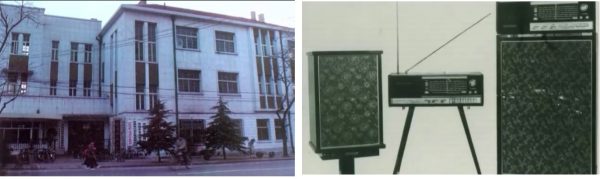

In the 1990s, Hisense developed its own television chips, helping China wean off its reliance of foreign-build core components.
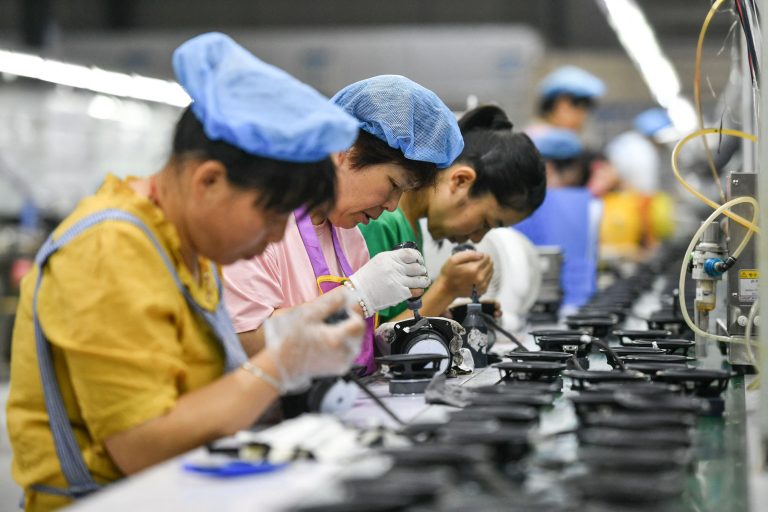
Jia boasted that the Qingdao plant now ships out over 35,000 Hisense brand television sets daily, “with its production efficiency going up by more than 90 percent as compared with the past.”
In the 21st century, beginning in 2004, Hisense shifted focus to the international market. It has acquired several foreign brands, including Japan’s Toshiba, which it bought in 2017. In 2015, it took over North American operations for Sharp, allowing it to sell TVs under the Japanese brand name in the United States.
In 2024, Hisense produced 29.14 million television sets and captured 14 percent of the global market share. It was the top seller in China and the second-largest worldwide, behind Samsung.