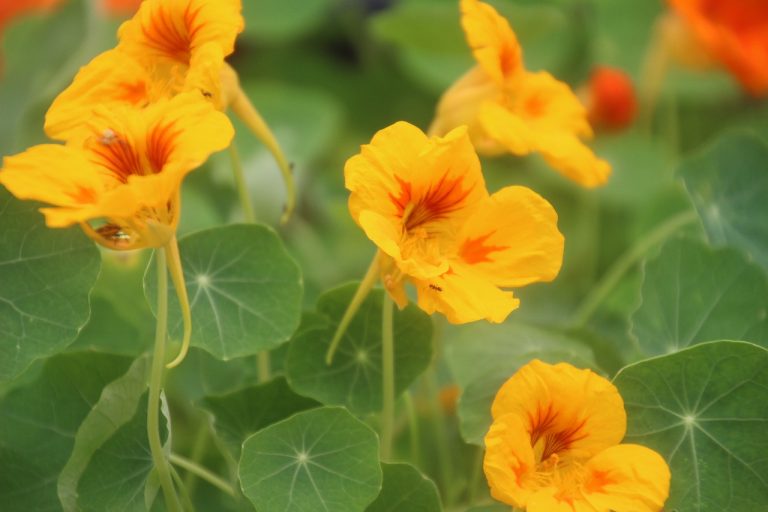
Bright and lively in both appearance and flavor, nasturtium is a popular edible, annual herb. With colorful blossoms set amongst elegantly simple leaves, it makes a charming addition to any garden.
As you may already know, nasturtium foliage and flowers are favored in the culinary community for their peppery flavor; but did you realize that nasturtium is also a powerful medicinal plant?
Nasturtium plant
Nasturtium is a broad term that includes about 80 species in the genus Tropaeolum. Those that commonly grace our gardens have circular leaves, vibrant flowers, and a somewhat sprawling habit — although there are some species that conform to a small mound. In most North American climates, nasturtiums are grown as annuals.
After it was discovered by Spanish explorers in the highlands of Ecuador and Peru, nasturtium was quickly introduced to Europe, where it gained widespread popularity. Centuries later, immigrants to North America brought it back across the ocean.
While it is primarily cultivated as an ornamental, the peppery flowers and foliage can also be eaten like watercress; and in its native Central and South America, it was traditionally used as a remedy for a number of ailments.
Traditional uses
Success
You are now signed up for our newsletter
Success
Check your email to complete sign up
South Americans used the flowers, leaves and seeds of nasturtium to make soothing teas and tonics for colds and sore throats, as well as antibiotic remedies for infections (UTIs).
Herbalists around the world added wound healing, kidney health and more to its recorded repertoire. The leaves were once consumed as a dietary supplement to prevent scurvy. Even today, German physicians may prescribe a nasturtium-based antibiotic for bronchitis, sinusitis, and urinary tract infections.
Medicinal properties
Modern research supports the use of nasturtium for its many medicinal properties.
Besides providing plenty of essential vitamins, minerals and antioxidants, nasturtiums are an exceptional source of lutein, a special antioxidant that promotes eye and skin health.
Compounds like anthocyanins and polyphenols — present in the plant tissue — support respiratory and digestive functions; while erucic acid, found in the seeds, has emollient and hydrating properties that promote healthy skin and hair.
Extracts from the plant exhibit natural antimicrobial, antifungal, anti-inflammatory and anticancer properties, likely due to the presence of volatile oils myristicin,α-terpinolene and limonene.
Nasturtium also contains tromalyt, a natural antibiotic that will not interfere with your beneficial gut bacteria.
Growing nasturtium
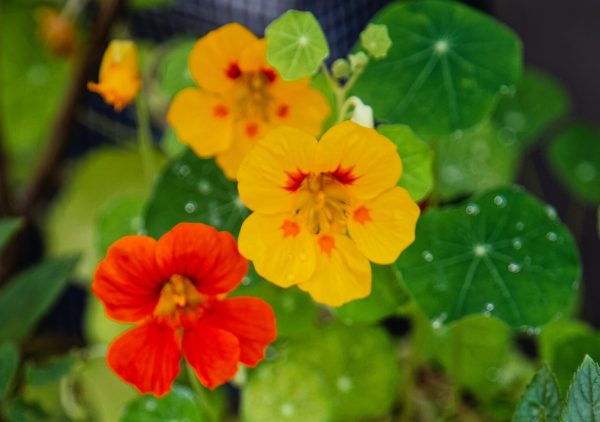
With sufficient sun and has decent drainage, nasturtium is easy to grow. Seeds can be sown outdoors after the soil temperature has reached around 60°F, or started indoors about three weeks before your final frost date. Plants will die at temperatures below freezing, but mature seeds can survive the winter and save you the trouble of re-sowing next season.
Nasturtium prefers full sun except in cases of extreme heat, where some shade is appreciated. Rich soil promotes the growth of foliage, but not flowers, so there is no need to fertilize nasturtium unless your soil is extremely poor. As for water, nasturtium can tolerate a little dry or wet, but does best with regular water and good drainage.
Nasturtium bests the pests
Even if you’re not interested in its healing properties, nasturtium can cure a common problem in your garden. The strongly-scented plant attracts pests like aphids, flea beetles, leaf miners, slugs and whiteflies; so you can use it to lure these pests away from your rare roses or prized produce.
Home remedies with Nasturtium
Like many medicinal herbs, nasturtium can be used to make a variety of home remedies for different applications.
Eating nasturtium
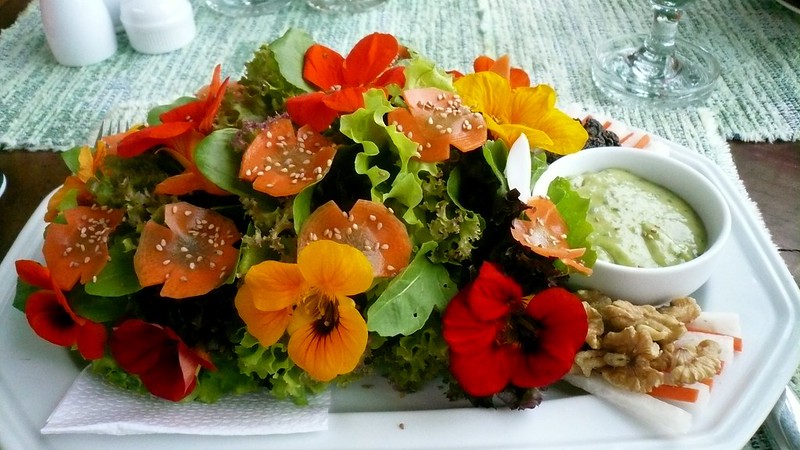
One of the easiest ways to get the benefits of nasturtium is to consume it. The spicy sweet flavor lends itself to a broad range of culinary applications, including soups and salads, smoothies, pesto, and preserves. The fresh seeds can be pickled like capers.
Benefits: Aside from cleansing the mouth and aiding digestion, adding nasturtium to your diet can promote a strong immune system and a healthy weight.
Nasturtium tea
If nasturtium’s peppery kick is more than you can manage, its tea packs no punch at all. An herbal infusion of flowers and leaves is made with one part fresh nasturtium to four parts boiled water. For dried plant material, use half the amount. Steep for up to 15 minutes and strain. This mild-tasting tea can be flavored with honey or lemon to your taste.
Application: Nasturtium tea can be consumed daily to boost immunity during cold and flu season or relieve sore throats and coughs. A stronger infusion can be massaged into the scalp to combat dandruff and promote healthy hair.
Nasturtium extracts
Beneficial compounds can be extracted from plant material into a liquid. This serves not only to preserve the plant’s medicinal properties in a concentrated form, but also removes the parts that require digestion. These potent herbal remedies are thus readily absorbed and convenient to use.
The most common extracts, tinctures, are made with alcohol; but you can also make extracts from glycerin (called glycerites) or vinegar (called aceta). The process is similar to infusing oil, but the preparation is kept out of direct sunlight, and it takes a little longer. For detailed instructions, visit the links above.
Finished extracts should be strained into amber bottles with dropper tops, and stored in a cool, dark place.
Application: Extracts should be diluted for use. A few drops added to warm water or herbal tea can help boost immunity, soothe sore throats and coughs, and fight internal infections like UTIs.
A stronger solution (one part tincture to three parts water) can be dabbed on skin infections, minor wounds, or fungal conditions to promote healing.
Nasturtium salve
Salves are a two-part process, as you first need to prepare an infused oil. Luckily, late summer is a great time to make a solar infusion.
To do this, fill a clean, dry jar with dried nasturtium leaves and/or flowers and pack loosely. Pour in enough organic olive oil to cover the herb and cover with a tight-fitting lid. Place in a warm, sunny area and shake daily (or as often as you remember) for three to four weeks, then strain the oil through a fine mesh.
Next, warm one cup of this oil with ¼ cup beeswax pastilles in a double boiler until the beeswax is completely melted. Remove from heat and add ¼ tsp essential oil of your choice to enhance the healing qualities of your salve. Pour into small, clean jars before it sets.
Application: Salves can be used externally to soothe and promote healing of abrasions and cuts, bug bites, stings, and other skin irritations.
Surplus infused oil can be taken orally in small doses (a teaspoon) as a gentle antibiotic.
Nasturtium poultice
A nasturtium poultice is made from fresh leaves, mashed enough to release the juices. The pulpy mass is applied directly to the skin and covered with a bandage to keep it in place for up to an hour.
Application: Use a fresh poultice to help reduce swelling and irritation from bug bites and stings, or to fight infection and promote healing of minor wounds.
READ ALSO:
- For Powerful Traditional Remedies, Know and Grow Medicinal Herbs (M) Marjoram
- For Powerful Traditional Remedies, Know and Grow Medicinal Herbs (J) Jewelweed
- Healing Traditions: All-purpose Summer Salve Recipe
So there you have it, nasturtium is an explosion of color and flavor, bursting with practical applications. It’s hard not to love such a fun and helpful plant!