The biopharmaceutical industry is experiencing a significant wave of layoffs in 2025, outpacing even the high numbers seen in 2024. Despite earlier predictions that job cuts would slow, the sector has already surpassed 13,000 layoffs by July 2025, a 31 percent year-over-year increase at the halfway mark.
This trend shows no signs of abating, with major companies continuing to announce workforce reductions throughout the summer.
Major companies announce cuts
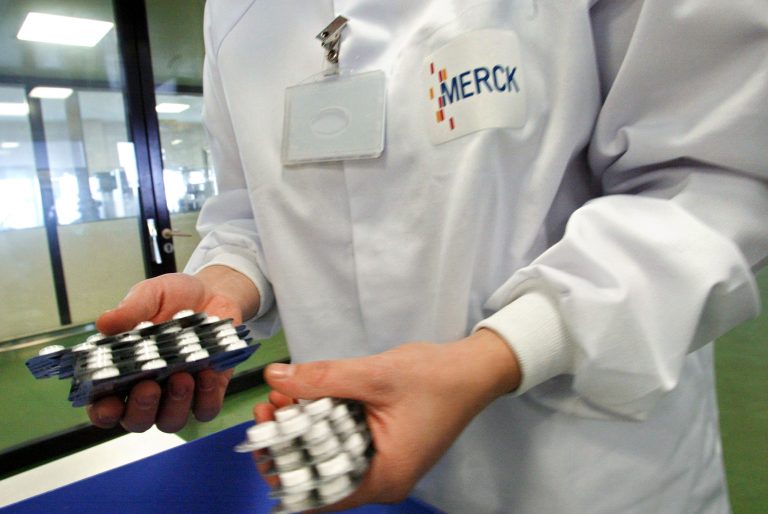
In August, Merck & Co. laid off 58 employees at its New Jersey site as part of a broader plan to reduce 8 percent of its global workforce, a move that could ultimately impact 6,000 jobs over the next few years. Other industry giants, including Bayer, Bristol Myers Squibb, Moderna, Tune Therapeutics, and Genentech, have also announced significant layoffs as they seek to streamline operations and adapt to changing market conditions.
Several factors are driving this surge in layoffs. The industry is grappling with the expiration of key drug patents — so-called “patent cliffs” — which threaten revenue streams. At the same time, stubborn investment environments and the need to streamline operations are putting additional pressure on companies to cut costs.
According to Pharmavoice.com, both traditional and new factors are shaping this year’s layoff patterns.
Success
You are now signed up for our newsletter
Success
Check your email to complete sign up
Ashley Finney, Senior Vice President of Business Development and Recruiting at Bench on Demand, said that pipeline rationalization, late-stage trial failures, and the shift to bring more manufacturing back to the U.S. are factors influencing this year’s layoffs.
Drug safety concerns and reduced federal support have also threatened some programs, leading to further job cuts. Even promising drug candidates can be shelved if funding dries up or regulatory pathways become uncertain. Finney also stated that missing key endpoints from advanced clinical programs also contributed to the cuts in pharmaceutical companies.
READ MORE:
- Chinese Nationals in US Accused of Smuggling Millions’ Worth of Nvidia AI Chips to Beijing
- From Victims to Loyalists: Why China’s Red Heirs Praise Mao Despite Past Betrayals
Cost-Cutting and Strategic Shifts
Companies are not only reducing headcount but also reorganizing their business strategies. For example, Merck’s cost-cutting initiative comes on the heels of a $10 billion acquisition of Verona Pharmaceuticals and its potential COPD blockbuster Ohtuvayre. While Merck is eliminating administrative, sales, and R&D positions, it also plans to hire employees into new roles across strategic growth areas, signaling a shift in focus rather than a simple reduction in workforce.
Other companies are following suit. Bayer, for instance, has reduced its headcount by more than 11,000 over the past two years as part of an initiative to save 2 billion euros ($2.3 billion) through 2026.
The layoffs are also being driven by declining sales in key markets. Merck, for example, has seen sales of its HPV vaccine Gardasil tumble to $1.1 billion in the second quarter of 2025, a 55 percent drop year over year. The company halted shipments to China from February this year. It is said that the halt is intended to help Zhifei Biological Products, Merck’s marketing partner in China, reduce excess inventory.
On July 29, Merck announced that it was extending its pause on Gardasil shipments to China until at least the end of 2025 due to persistent weakness in demand.
Layoffs in the biopharma industry may persist as the sector continues to face patent expirations, investment challenges, and shifting regulatory landscapes. Companies are being forced to make tough decisions to ensure long-term viability, balancing cost-cutting with strategic investments in new growth areas.