By Li Muzi, Vision Times
Reports of young people being declared “brain dead” in China have become increasingly common, drawing renewed scrutiny over the country’s opaque and controversial organ donation system. The latest case involves 25-year-old Hunan medical student Liu Guoping, who was declared brain dead after a car accident and had his organs removed and transplanted on Dec. 3. In total, four organs and two tissues were removed from Liu, his mother said.
According to state-run “Global Times,” Liu, hailing from Hengyang in Hunan Province, suffered “severe injuries” in a traffic accident that ended his life abruptly. On the evening of Dec. 3, surgeons at Nanhua University Second Affiliated Hospital removed four major organs and two tissues, described by state media as a “gift of life” that would save four organ-failure patients and restore sight to two blind patients.
Suspicious circumstances
Local outlet “New Hunan” reported that Liu’s mother stood at her son’s bedside scrolling through old photos on his phone as tears pooled in her eyes. Her “sunny and ambitious” son, she recalled, had been preparing for his graduate school entrance exams this year, until a sudden collision left him supposedly “brain dead.”

Success
You are now signed up for our newsletter
Success
Check your email to complete sign up
Another outlet, “Fengmang News,” reported that Liu was a 2024 graduate of Hunan University of Chinese Medicine, known for strong grades and multiple voluntary blood donations. But beneath the official narrative, the comment sections across Chinese social media were filled with suspicion as netizens pointed out inconsistencies that clash with the authorities’ findings, including:
- “Car accident… Did he sign anything beforehand?”
- “This sounds terrifying.”
- “Who tricked you into donating your son’s organs? We all know who.”
- “Check the blood donation record.”
- “Why are all the car crash victims young people?”
- “Who believes this?”
More ‘donors’ get caught up
Chinese media “Dahe Daily” recently covered a similar case in Henan: 14-year-old Ni Haichao, who fell from a building and was hospitalized in ICU for over 20 days. He was declared brain dead on Oct. 30. But just one day later, after his mother signed an organ donation form under the guidance of two “donation coordinators,” his liver, kidneys, lungs, and corneas were all removed and transplanted, reportedly saving six people.
RELATED: Children’s Organs ‘On Sale’: Jilin Hospital’s Free Liver Transplants Spark Organ Harvesting Fears
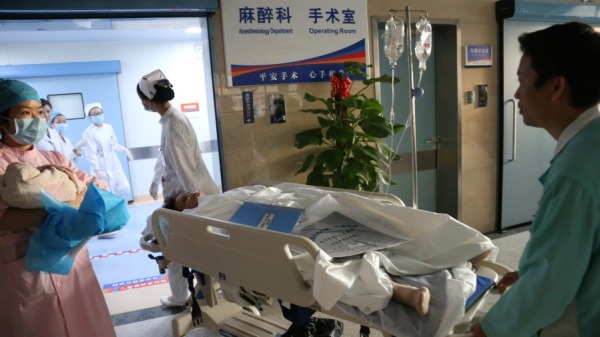
But the mother said something that sent shockwaves across the internet: “My child’s hands were still warm when they pushed him into the operating room.” This detail, paired with the speed of organ matching, sparked intense suspicion online that the child had been targeted and killed for his organs.
Commentators noted that organ matching and surgical preparation normally require significant time, while matching six recipients in under 24 hours is medically implausible. All six transplant surgeries would have needed to occur simultaneously on Nov. 1 in order to preserve the viability of the organs. Patients must also undergo pre-operation stabilization, and this cannot be coordinated overnight.
RELATED: University of Toronto Hosts ‘State Organs’; Viewers Demand Action Against Crimes Against Humanity
One widely shared comment read: “If he was only confirmed as an organ donor on Oct. 31 and died on Nov. 1, that means six recipients were found, prepped, stabilized, and operated on the same day. That is impossible unless everything was arranged beforehand.”
A long-standing human rights nightmare
Former Chinese journalist Zhao Lanjian wrote on X: “Organ transplants require organs that are still alive. ‘Brain death’ diagnoses in China are made by expert groups with enormous discretion. These diagnoses are occurring across the country on a large scale.”
He added: “China has built organ transplant centers nationwide. Organ transplantation has become an economic industry chain. Whose organs are being circulated in this commercial process? Buying and selling means poor people’s organs serve the rich.”
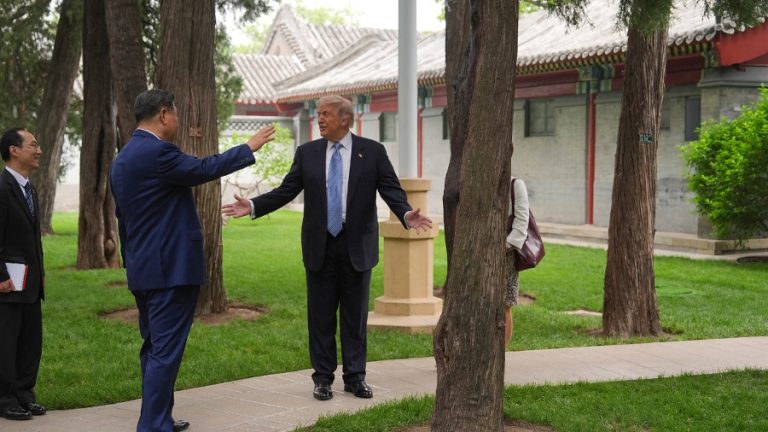
The issue gained global attention earlier this year after reports surfaced of a private exchange and hot mic moment between Chinese leader Xi Jinping and Russian President Vladimir Putin at the 2023 military parade, referencing organ transplant technologies that would allow humans to “live to 150.”
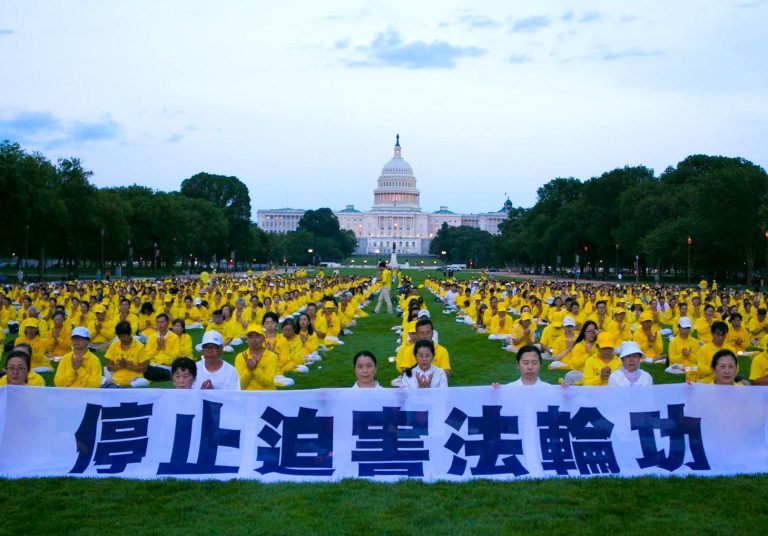
For more than two decades, international investigators have accused the CCP of systematic, state-sanctioned organ harvesting, beginning with Falun Gong practitioners and expanding to other prisoners of conscience and vulnerable groups. Recent cases suggest the threat may now extend into everyday Chinese families who do not have the money or power to fight back.
Editorial note: The accounts, claims, and allegations referenced in this report come from publicly available Chinese-language media, commentators, and online discussions. Many details cannot be independently verified, and readers should treat all such reports with appropriate caution.