Taiwan has shown goodwill to the world — it once saved Japan and also saved China. But the “returns” from these two countries form a painfully sharp contrast: Japan stands up to shield Taiwan, while China threatens Taipei with missiles. This is not a geographic or cultural issue, but one of human nature versus authoritarianism — the distance between gratitude and hatred.
Taiwan–Japan relations were not naturally close
Taiwan’s ETtoday reports that the real turning point in Taiwan–Japan relations wasn’t in diplomatic documents, but in people’s hearts. And that turning point was the 2011 3/11 Great East Japan Earthquake.
In 2011, Taiwan donated 20 billion yen, shocking all of Japan. That year, the tsunami swallowed entire cities, and Japan fell into its biggest national disaster since WWII. Many around the world said, “Japan is in real trouble this time.”
At that moment, Japan received a massive donation even the government couldn’t believe — from Taiwan.
20 billion yen; Donation ranked No.1 in the world
Not the U.S., not Europe, not oil-rich countries — but Taiwan, with only one-fifth of Japan’s population. On the streets, an NHK interview captured a Japanese citizen choking up: “We never imagined Taiwan cared about us this much.” Even today, many Japanese tear up when mentioning Taiwan.
Success
You are now signed up for our newsletter
Success
Check your email to complete sign up
At first, the Japanese government did not dare publicly thank Taiwan due to CCP pressure
During the 2012 memorial ceremony, the Japanese government did not dare invite Taiwan to present flowers. But ordinary Japanese people did something that shocked the world: subway stations were covered with “ありがとう台湾” (“Thank you, Taiwan”); cinemas played warm Taiwanese short films; people spontaneously raised money to send back to Taiwan; shops posted “Discounts for all Taiwanese.”
Goodwill awakened goodwill:
In 2013, after Shinzo Abe became Prime Minister, Japan officially used the name “Taiwan.” Abe broke the taboo and formally invited Taiwan’s representative Shen Ssu-tsun to present flowers.
China was furious and boycotted the event. But Japan did not back down. From that year on, Taiwan–Japan relations began a historic warming. Today, Sanae Takaichi stands up in front of Taiwan and says, “If Taiwan is in trouble, Japan is in trouble.” This is not just a strategic statement — it is the moving return of fourteen years of accumulated goodwill.

Taiwan also saved China — but received missiles in return
Taiwan’s goodwill to Japan was met with deep gratitude. But Taiwan also once mobilized massively to save China — and what it received in return chilled the heart.
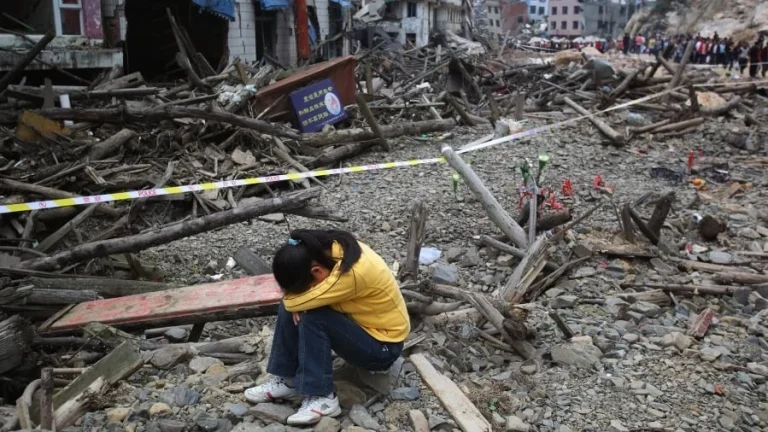
During the 2008 Wenchuan Earthquake, Taiwan donated NT$70.5 billion — more than it gave to Japan.
Yes — Taiwan donated NT$68.4 billion to Japan but NT$70.5 billion to China.
People sold their homes to donate; others entered the disaster zone despite aftershocks; Taiwan’s rescue teams were among the first to arrive. The entire society — across political lines — mobilized. Taiwan gave money and manpower: it was not political, but purely humanitarian and kind-hearted.
And China’s return? Three heartbreaking things:
- Taiwan’s name was deliberately omitted from the official donor list.
- Donation plaques and facilities had “Taiwan” scrubbed off, chiselled out, erased.
- For the next decade, the CCP’s “return” consisted of threats of force.
Missiles aimed at Taipei; warplanes circling Taiwan; cyberattacks; propaganda claiming Taiwan must be “liberated.” This is what Taiwan received after saving China. When goodwill meets authoritarianism, it brings not gratitude but hostility. A regime that does not understand gratitude is like a person who does not — untrustworthy, and dangerous. This is the real-life version of The Farmer and the Snake.
Why does Japan remember goodwill while the CCP tries to destroy it?
The key difference is one thing: the CCP’s fundamentally malicious nature — deceitful, hostile, combative.
Japan treats Taiwan as a friend; the CCP treats Taiwan as a target to crush, unable to tolerate Taiwan’s democracy and the continued existence of the Republic of China — feelings rooted in envy and hatred.
Japan thinks with traditional gratitude:
“You helped me when I was in pain — I will remember forever.”
So today Japan stands up for Taiwan.
The CCP does not think like a normal human society.
Its logic is demonic: “You should help me — and if you don’t obey, I’ll crush you.”
So it threatens Taiwan with invasion every day.
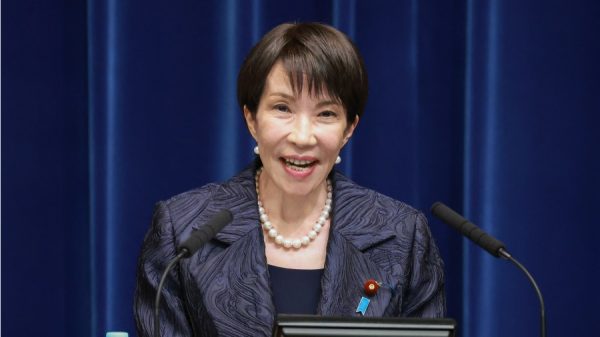
The 2025 situation among China, Japan, and Taiwan makes the contrast even clearer. As the CCP bans and sanctions Japan, Sanae Takaichi publicly supports Taiwan. The Japanese prime minister says the unprecedented words: “If Taiwan is in trouble, Japan is in trouble.”
Many think this is only geopolitics, but behind it is also an unforgotten sense of gratitude. As the saying goes: Virtue is never lonely — it always finds companions.
The CCP’s foreign ministry rages; state media attacks; nationalists go wild. But does Japan retreat? No. Japan proves with action that Taiwan is worth defending. Because Japan remembers: “Taiwan reached out when we were in our greatest pain.”
Taiwan deserves goodwill
Taiwan is not weak — it has a foundation of kindness. As the saying goes, “Taiwan’s most beautiful scenery is its people.” This kindness is seen and cherished by democratic nations; only the CCP chooses to trample on it.
Today’s international situation gives the clearest answer:
Helping Japan brought Japan’s support for Taiwan;
Helping China brought CCP threats of invasion.
This is how friends and enemies — angels and demons — reveal themselves.
Kindness is not wrong; the mistake is giving it to the wrong recipient. For those in Taiwan who still cannot distinguish good from evil, this is a major awakening.
Remember: Japan shields Taiwan today not because Taiwan is weak, but because Taiwan deserves it. It is also the manifestation of a moral truth: good is rewarded. Taiwan’s donations, rescue efforts, and goodwill became, in Japan’s heart, a responsibility: “You once saved me — I must protect you.”
But in the CCP’s heart it became: “You saved me? I will still bite you.”
Two paths — one good, one evil — show Taiwan clearly who the real friends and real enemies are.
May Taiwan remain kind, but no longer naïve — able to distinguish true good and evil.
Give goodwill to those who deserve it. Give the future to those willing to protect us. May more people see the truth — see Taiwan’s light and see the CCP’s true nature. This free island is a home we must defend together.