By Gao Yun
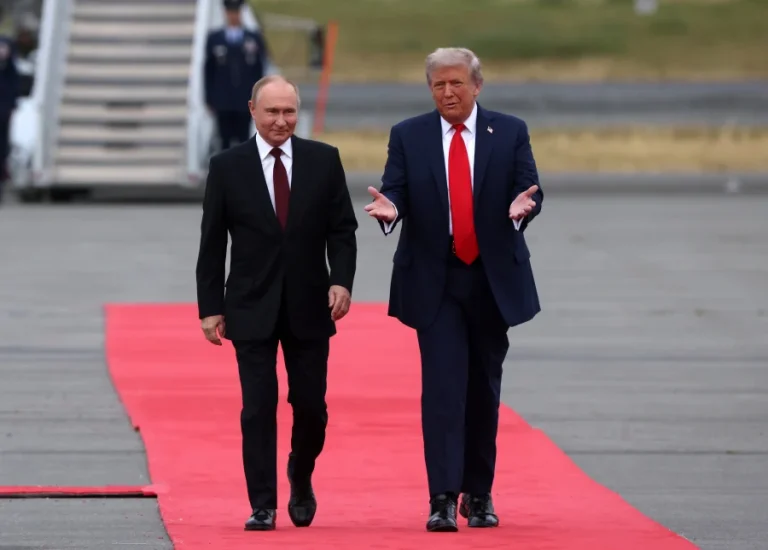
Reuters reported on Sunday, Dec. 21, that, according to six sources familiar with U.S. intelligence assessments, U.S. intelligence agencies continue to warn that Russian President Vladimir Putin has not abandoned his goal of taking over all of Ukraine and still hopes to reclaim parts of the former Soviet sphere of influence in Europe. The assessments indicate that, despite international efforts to negotiate an end to the war, Putin’s strategic intentions have not fundamentally changed.
Sources said these intelligence assessments differ from the public statements of U.S. President Donald Trump and his Ukraine peace negotiation team, who previously claimed that Putin wanted to end the conflict. The latest intelligence report was compiled in late September. The assessments also contradict Putin’s repeated denials that he poses a threat to Europe.
Sources noted that since Russia’s full-scale invasion of Ukraine in 2022, U.S. intelligence agencies have consistently reached the same conclusions. These largely align with the views of many European leaders and intelligence agencies: Putin not only covets all of Ukraine but also harbors territorial ambitions over some former Soviet bloc countries, including certain NATO members.
Democratic member of the U.S. House Intelligence Committee Mike Quigley told Reuters: “The intelligence community has always believed that Putin wants more than that. European countries are firmly convinced of this, Poland is completely certain, and the Baltic states believe they could be the first target.”
Success
You are now signed up for our newsletter
Success
Check your email to complete sign up
Currently, Russia controls about 20 percent of Ukraine’s territory, including most of the Donetsk and Luhansk regions in the Donbas industrial heartland, parts of Zaporizhzhia and Kherson, and the strategically significant Crimean Peninsula. Putin claims that Crimea and these four regions belong to Russia.
Two sources revealed that in the proposed peace plan, Trump was pressuring Kyiv to withdraw Ukrainian forces from parts of Donetsk still under Ukrainian control. This demand was rejected by President Volodymyr Zelenskiy and the majority of the Ukrainian public.
A White House official stated that Trump’s negotiation team had “made significant progress in advancing an end to the war” and said Trump believed a peace agreement was “closer than ever to being reached.” The official did not respond specifically to U.S. intelligence assessments.
Meanwhile, U.S. Director of National Intelligence Tulsi Gabbard posted on X on Saturday that intelligence officials had briefed Congress, noting that Russia is “trying to avoid a larger war with Europe,” and that Russia’s performance in Ukraine shows it currently lacks the military capability to “annex all of Ukraine, let alone all of Europe.”
Progress in security negotiations
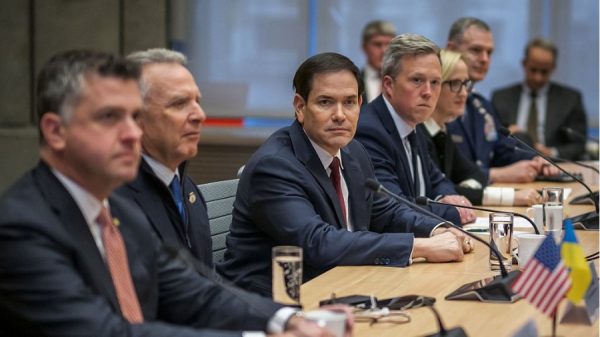
Trump’s negotiators—his son-in-law Jared Kushner and billionaire real estate developer Steve Witkoff—have spent several weeks consulting with Ukrainian, Russian, and European officials on a peace plan.
U.S. officials said progress has been made, but major differences remain on territorial issues. White House officials said Kushner and Witkoff met Ukrainian negotiators in Miami on Friday and engaged with Russian representatives over the weekend.
Four European diplomats and two sources revealed that U.S., Ukrainian, and European representatives recently held talks in Berlin and reached broad consensus on a U.S.-backed security framework aimed at deterring future Russian aggression. The plan, set to take effect after a peace agreement is signed, includes deploying a primarily European security force in neighboring countries and in parts of Ukraine far from the front lines to help counter potential renewed attacks.
Specific terms of the security arrangements remain disputed. One source and one diplomat said the plan may depend on whether Zelenskiy agrees to cede some territory to Russia. Other diplomats said discussions are ongoing and alternatives have not been ruled out, as Zelenskiy has made clear he will not accept territorial concessions.
Sources also said the plan envisions a cap of 800,000 personnel for the Ukrainian armed forces, but Russia wants a lower limit. The U.S. is reportedly open to negotiation. The security plan would also include U.S. intelligence and other support and requires Senate approval. Two sources added that Washington’s plan also envisions U.S.-supported air patrols over Ukraine.
Zelenskiy expressed caution about the proposal on Thursday, saying, “I still have an unanswered question: what will these security guarantees actually achieve?” It remains uncertain whether Putin would accept such arrangements, as he has repeatedly opposed foreign troop deployments in Ukraine.

Russia insists on territorial claims
In his latest statements on Friday, Putin made no substantive concessions, though he expressed willingness to discuss peace at his annual press conference. He stated that his conditions must be met and emphasized that Russian forces advanced about 6,000 square kilometers this year.
It remains unclear how the U.S. will respond to Russia’s latest demands. Witkoff has previously suggested that Russia has the right to claim the four regions and Crimea. Some Trump administration officials privately acknowledged that Putin may not be satisfied with results below his initial goals.
U.S. Senator Marco Rubio said at a press conference Friday: “I don’t know if Putin wants a deal or wants to take over the whole country. These are all things he has publicly stated.” He added: “We know the objectives they sought at the start of the war, and those objectives remain unfulfilled.”
UK Prime Minister discusses Ukraine peace with Trump
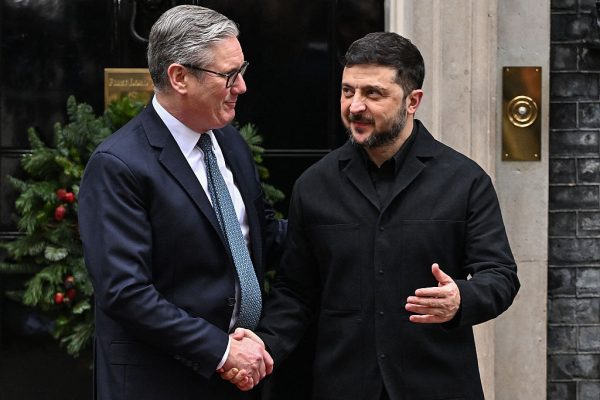
Additionally, Downing Street said that British Prime Minister Keir Starmer spoke with Trump on Sunday about efforts to achieve a “just and lasting end” to the war in Ukraine. The call followed meetings between officials from both sides in Florida.
Starmer’s office said in a statement that the leaders first reviewed the situation in Ukraine and also discussed the work of the so-called “Coalition of the Willing” countries, which have pledged support to Ukraine.