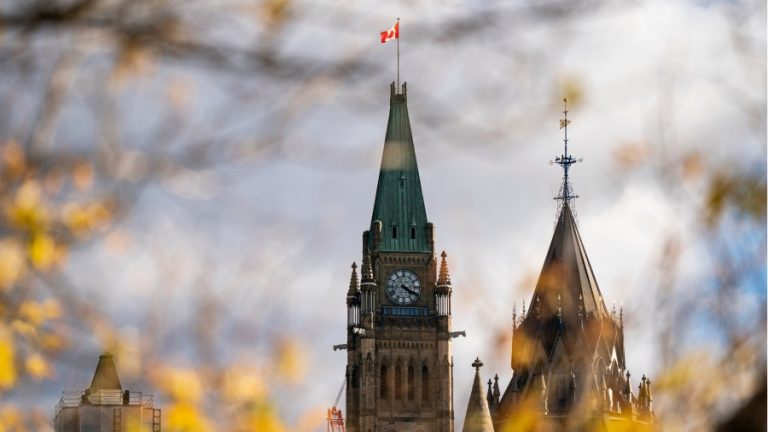
The Canadian federal government recently announced major reforms to the immigration system, with a series of new policies set to be gradually implemented starting in 2026. The core objectives are to control the size of the temporary resident population, ease pressure on housing and public services, and optimize the immigration structure to attract in-demand talent. Among these changes, a significant reduction in international student study permits has become a focal point, directly affecting tens of thousands of students. At the same time, the government is introducing a fast-track immigration pathway exclusively for doctors and adjusting rules on the transmission of citizenship. This round of reforms is seen as a landmark shift marking Canada’s immigration policy entering a “sustainable era.”
Canada sets international student targets sharply lower
According to the latest “2026–2028 Immigration Levels Plan” released by Immigration, Refugees and Citizenship Canada (IRCC), the 2026 target for new international student study permits is set at approximately 155,000, with 2027 and 2028 maintaining around 150,000 permits. Compared with the 305,900 permits targeted in 2025, this is a reduction of more than half. The government stated that this measure aims to curb social pressures caused by the rapid growth of the temporary resident population. The Finance Minister emphasized in November, “We are taking back control of immigration policy, returning its scale to a sustainable track.”
In addition, the provincial allocation of international student permits for 2026 has been clarified, with regional differences becoming more pronounced; some provinces will see significant reductions in available permits.
International students face the greatest impact
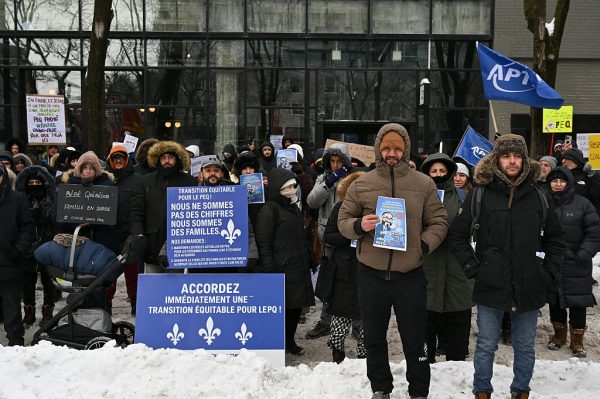
This adjustment has the biggest impact on international students. In recent years, the number of international students in Canada surged, boosting the education industry but also worsening housing shortages and medical resource strain. Experts note that the new policy will make post-study immigration more difficult, requiring many applicants who rely on the “study–work–permanent residence” pathway to replan. The student community has reacted strongly, with some worrying that “Canada’s golden age of studying abroad is over.”
Fast-track pathway opened for doctors
While tightening overall immigration numbers, the government is opening a green channel to address labor shortages in the medical field. In December, IRCC announced a dedicated category under the Express Entry system for international doctors already working in Canada. Eligibility requires at least one year of qualifying medical work experience within the past three years. The first round of invitations is expected in early 2026. In addition, the government has reserved 5,000 additional permanent resident spots for provincially nominated doctors and promised expedited work permit processing. These measures aim to retain temporary doctors who have contributed to Canada’s healthcare system and ease the nationwide shortage of physicians. Several provinces currently face severe shortages of family doctors, making this a positive signal of targeted talent recruitment.
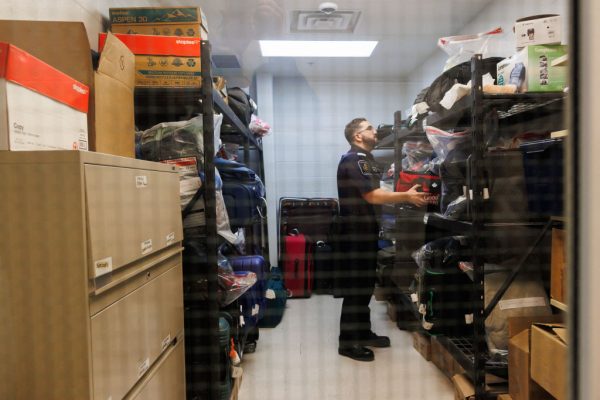
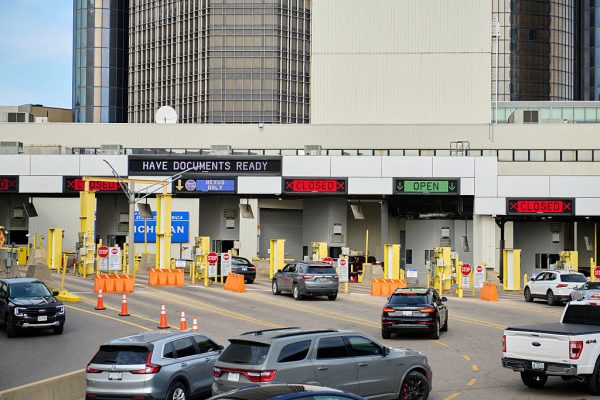
More than 4,000 detentions were recorded across those three detention centres in Canada between 2023 and 2024, according to Canada Border Service Agency (CBSA) data.” (Image: COLE BURSTON/AFP via Getty Images)
Success
You are now signed up for our newsletter
Success
Check your email to complete sign up
Citizenship rules updated to include overseas-born children
Regarding citizenship, Bill C-3 officially came into effect on December 15, resolving the long-standing “first-generation limitation” issue. Under the new rules, Canadian citizen parents who are born or adopted abroad and have lived in Canada for at least 1,095 days (about three years) prior to their child’s birth can transmit citizenship to their children born overseas. Additionally, those who previously lost citizenship solely due to the first-generation limitation will automatically have their citizenship restored. This change benefits many “Lost Canadians” and their descendants, reflecting fairness and inclusivity in policy.
Prime Minister openly criticizes climate policy
Alongside immigration reform, public attention has been drawn to Prime Minister Mark Carney’s unusually candid remarks on climate policy. In a recent media interview, Carney stated that under the previous government’s climate plans, Canada cannot meet its 2030 and 2035 emissions reduction targets. This frank admission shook the political scene and is seen as a direct repudiation of the Trudeau-era climate legacy.
Federal data show that during Trudeau’s tenure, 149 climate projects were launched across 13 departments, with cumulative financial commitments exceeding CAD 200 billion, covering carbon taxes, electric vehicle subsidies, building energy efficiency, and renewable energy investments. Yet over the past decade, national greenhouse gas emissions have only dropped 8.5 percent compared with 2005 levels, far from the 40–45 percent reduction target for 2030. Carney criticized the system as “structurally failing”: fragmented projects, disconnects between federal and provincial governments, and slow implementation leading to “high input, low output.” He summed it up in English: “talk and talk and nothing happens.”
After taking office, Carney has canceled several measures, including the consumer carbon tax, and reached an energy agreement with Alberta, prompting the former Environment Minister to resign. Public debate has erupted over where the CAD 200 billion of taxpayer money was spent and whether Canada should prioritize jobs and energy over high-standard emissions reduction. Experts call for a comprehensive review and more pragmatic targets.
Vancouver restaurant industry faces hard winter
Amid macro-policy adjustments, microeconomic pressures are emerging. The Vancouver branch of the well-known Rock Kitchen bar-restaurant chain on West Broadway recently posted a notice announcing permanent closure. The sign read: “This location is now permanently closed. Thank you for your support.” The small chain, known for burgers, fries, and bar cuisine, now only has a few remaining outlets. Customers left messages on Google expressing nostalgia: “This was the place for many of my work and social activities. It will always be remembered.”
In 2025, Canada’s restaurant industry struggled, with many closures due to rising costs and declining foot traffic. Vancouver, as a hub for immigrants and international students, was particularly affected by tightened immigration policy.
Employment market shows positive signs
On the other hand, there are positive signals in the job market. A recent survey by talent management firm Robert Half shows that about one-third of professionals plan to change jobs in the first half of 2026, up seven percentage points from July 2025. The main reasons are seeking better benefits, followed by higher pay and career development. Experts note that rising labor demand is offsetting economic anxiety, with tech workers, Generation Z, and working parents showing the strongest job-switch intentions. However, job seekers still face intense competition and complex application processes.
Looking at the end of 2025 in Canada, these policies and events intertwine, reflecting the government’s difficult balancing act between economic growth, social pressure, and sustainable development. Tightened immigration may ease resource strain but affect education and labor. Climate policy reassessment raises taxpayer concerns. Restaurant closures coexist with employment recovery, highlighting uneven economic rebound. How Canada moves forward in the new year remains a story to watch.