By mid-December 2025, silver had become the metal no one could ignore. Prices were rising fast enough to outshine gold, the traditional anchor of the precious-metals world, and the move was pulling in new buyers across markets.
In China, the price run spilled off the charts and into the streets.
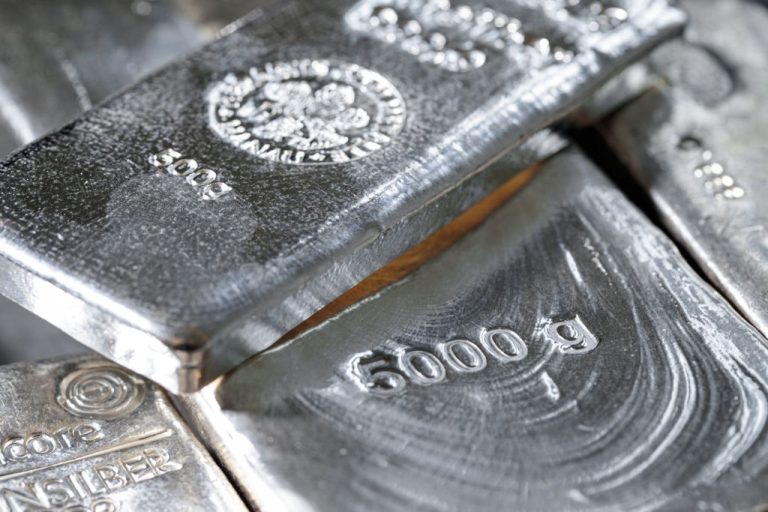
At Shenzhen’s Shuibei Jewelry Trading Center, the country’s largest hub for precious-metals processing and trade, crowds gathered day and night. Silver bars, slabs, and ingots disappeared almost as soon as they arrived. Short videos circulating on Chinese social-media platforms showed buyers lining up past midnight, pressed shoulder to shoulder as they tried to secure physical silver. The urgency did not look like professional hedging. It looked like a rush.
A popular finance vlogger framed the story in the kind of language that spreads quickly online. Silver, he said, had doubled over the year and left gold behind. Ordinary people, he suggested, were now facing the familiar dilemma of every late-stage rally: hold what you have, sell into strength, or chase the move and risk arriving too late.
Figures cited by mainland financial media put London spot silver above $61 an ounce on December 10. Shanghai silver futures climbed to 14,388 yuan per kilogram, roughly $2,030. By that point, silver was up close to 100 percent for the year, compared with gold’s roughly 60 percent rise.

Success
You are now signed up for our newsletter
Success
Check your email to complete sign up
The rally accelerated
The rally then accelerated. Silver cleared $75 an ounce, with spot prices briefly reaching $75.62. By year-end, cumulative gains were reported at more than 160 percent. Gold and platinum rose as well, with spot gold reaching a record $4,533 an ounce and spot platinum climbing to $2,448.
Outside China, traders pointed to factors that typically support precious metals. Markets were pricing in a renewed cycle of U.S. interest-rate cuts. A softer dollar made dollar-denominated commodities cheaper for overseas buyers and tended to lift demand. Lower rates also reduced the relative appeal of cash savings, drawing more money toward assets that do not pay interest.
On the ground in Shenzhen, macro explanations quickly faded into the background.
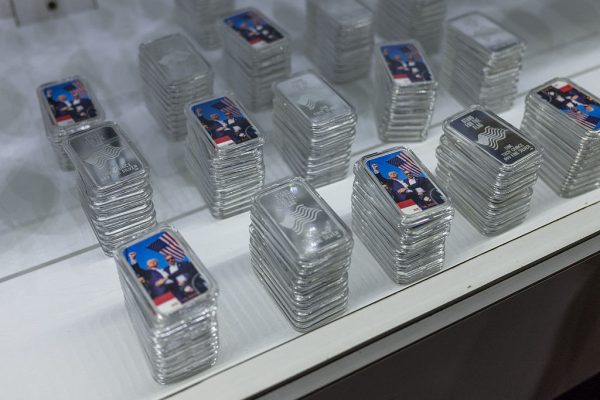
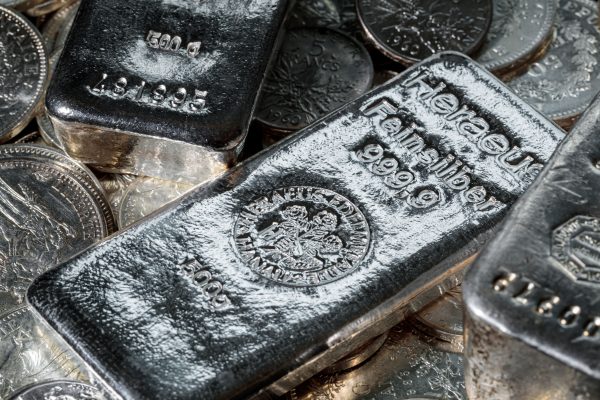
At Shuibei, raw silver slabs intended for processing were sold directly to walk-in buyers. Standard inventory procedures appeared to be bypassed under the pressure of demand. Hundreds of silver bricks were seen stacked upright on open ground beside delivery trucks, counted on the spot, marked by hand, and sold out almost immediately. Nearby streets were lined with sealed transport vehicles, with crowds gathering around any sign that new supply might be released.
Tensions flared on Dec. 27 at a trading counter inside the complex. A customer who had paid a premium to take delivery of silver was told the seller could not provide the product. Voices rose. A crowd formed. That night, silver prices surged again, jumping more than 10 percent in a single session and briefly breaking $79 an ounce, another record.
Silver’s appeal rests partly on its dual identity. Gold is primarily a financial asset. Silver is also an industrial input, and that difference shapes both demand and risk.
An estimated 70 to 80 percent of global silver output comes as a byproduct of mining for other metals such as copper, zinc, lead, or gold. That supply structure limits how quickly production can respond, even when prices soar. Primary silver mines account for a smaller share of output, making short-term expansion difficult.
Demand continues to climb
Demand, meanwhile, continues to climb in sectors that rely on silver’s physical properties.
Solar power remains a major driver. Silver paste is applied to silicon wafers to convert sunlight into electricity, and no widely adopted substitute has yet displaced it. Electronics depend on silver for conductivity, from smartphones and computers to household appliances. Electric vehicles use significantly more silver than gasoline-powered cars, while medical products use silver coatings for antibacterial protection. Aerospace components and satellite systems also rely on silver for durability in extreme conditions.
In November, the United States added silver to its list of critical minerals. With about two-thirds of U.S. consumption reliant on imports, the designation reinforced supply-security concerns and encouraged stockpiling. Analysts in China cited years of supply deficits in the global market. Reports put the 2024 shortfall at more than 4,600 metric tons, with global inventories falling to their lowest level in a decade. China’s domestic silver stocks were also described as near ten-year lows, while industrial demand was said to have risen to more than 60 percent of total consumption.
As prices rose, the trade attracted a broader crowd.
Videos and blog posts suggested the buying had spread beyond big-city investors into smaller towns and rural areas, with retirees and farmers joining the rush and treating ownership of a silver brick as a point of pride. Some commentators warned against borrowing to invest or mistaking a rapid rise for a sure thing.
One widely circulated story involved a trader who reportedly borrowed 1.5 million yuan to short silver and was wiped out when prices surged. The details were not independently verified, but the story traveled fast, and it captured the leverage risk that shadows any fast-moving market.
Price swings became harder to ignore as December progressed. Silver was reported to have surged toward $84 an ounce before sliding back near $70, with intraday moves exceeding 12 percent. For latecomers chasing the rally, the speed of reversals was the lesson.
Volatility forces institutional response
China’s only silver-focused fund, the SDIC UBS Silver Futures Fund, announced it would suspend subscriptions for certain share classes starting December 29. The move followed repeated risk warnings. Bloggers and market participants said the fund’s market price had traded far above its net asset value, at one point reaching a premium of 68 percent. The suspension was described as an attempt to cool speculative demand and protect investors.
During the suspension, investors could not trade, tightening liquidity and raising anxiety among retail holders. When trading resumes, prices are expected to drift back toward intrinsic value, leaving those who bought at inflated levels exposed to losses. One blogger said he lost 17,000 yuan in a single day.
Veteran investors often describe silver and gold as different animals. Gold tends to move more slowly. Silver tends to amplify both directions, swinging two or three times as much as gold in many periods. The same trait that produces eye-catching gains can also produce painful drawdowns.
A vlogger shared the story of a student who entered the precious-metals market in 2024 and poured spare savings into silver, convinced the price would double by year-end. Within two weeks, a pullback erased close to 20 percent of his position. Some of the money was earmarked for a child’s tuition. He stayed in for months and eventually exited without losses, but described the period as draining and obsessive. Screenshots of profits travel faster than stories of panic, he said, and most newcomers do not see what volatility does to sleep.
The buying rush unfolded against a fragile economic backdrop
China continues to grapple with a prolonged property downturn, weak consumption, slowing industrial profits, and mounting employment pressure. Household balance sheets have been strained, and risk tolerance among ordinary families is limited. That context matters because a high-volatility trade can magnify financial stress when prices turn.
Silver’s rise has been tied to a combination of factors rather than a single, stable foundation. Industrial demand can soften, alternative materials can gain ground, and geopolitical tensions can ease. Silver’s market is smaller than gold’s, making it more vulnerable to rapid inflows and rapid exits of speculative capital.
There is also a basic distinction between end users and traders. Factories buy silver to use it. Funds and retail investors buy silver with the intention of selling later. When sentiment flips, selling pressure can build quickly.
For those still tempted by the rally, the more practical question is whether the money involved is truly spare and whether sudden, deep swings can be endured without triggering forced selling or personal financial damage. In markets as volatile as silver, restraint often matters more than confidence.