By Jian Yi
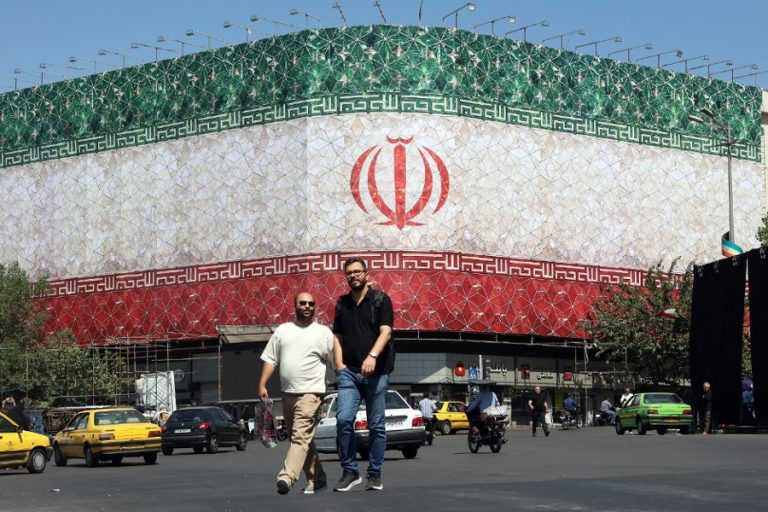
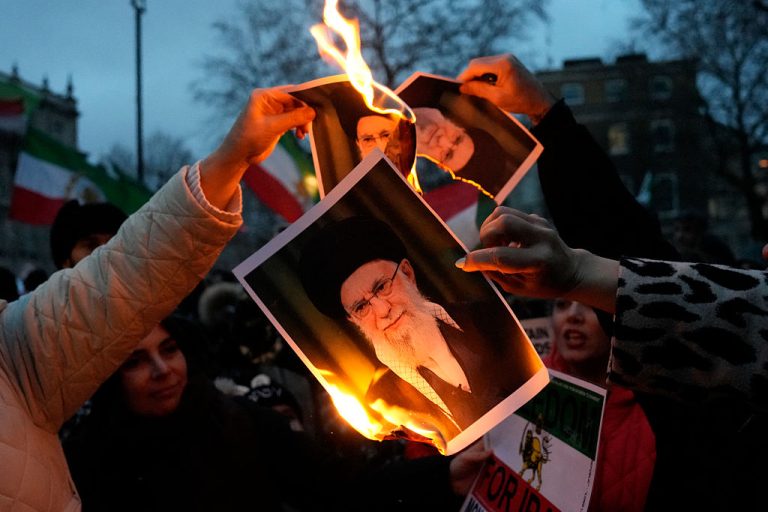
Iran imposed a nationwide internet blackout on Jan. 8, cutting off digital communication as protests intensified across the country.
Internet monitoring organization NetBlocks said real-time data confirmed a near-total shutdown of internet connectivity nationwide. The disruption followed a series of escalating digital censorship measures implemented amid expanding protests, severely restricting public access to communication at a critical moment.
The Jerusalem Post, citing the Associated Press, reported that both landline and mobile phone calls from Dubai into Iran were unreachable, indicating that authorities may also have suspended telephone services.
Iran has previously resorted to internet shutdowns during major protest movements in 2009, 2019, and 2022. Those blackouts coincided with deadly crackdowns and were followed by the eventual suppression of demonstrations.
Even outside periods of unrest, Iranians face persistent restrictions on access to social media platforms. Many rely on virtual private networks to bypass state censorship.
Success
You are now signed up for our newsletter
Success
Check your email to complete sign up
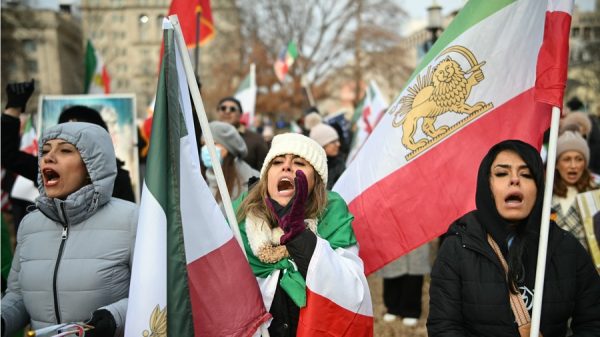
NetBlocks said the current “digital blackout” began shortly after exiled crown prince Reza Pahlavi called for nationwide protests at 8 p.m., prompting large crowds to take to the streets across multiple cities.
Reports of Starlink access circulating online
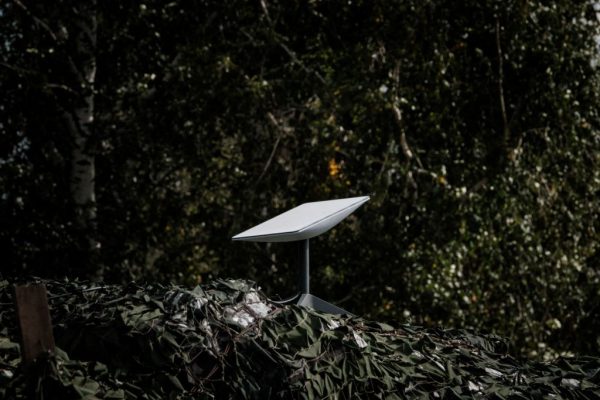
Following the blackout, messages began circulating online claiming that Starlink satellite internet terminals were being brought into Iran.
One widely shared post said Iran was experiencing “one of the most important nights in its history,” adding that multiple Starlink antennas were being distributed to journalists and activists by what the post described as a “very bold organization.” The claims could not be independently verified.
An account known as “Mossad Commentary” wrote on social media platform X that as Iran cut off nationwide internet access, Elon Musk had quietly enabled free Starlink connectivity across the country. The post claimed Musk had pledged to keep the network operational to prevent Iranian authorities from severing communications. No independent confirmation of the claim was available.
Online, users responded with slogans declaring that “the tyrant’s blackout is over.”
International statements of support
On Jan. 8, U.S. President Donald Trump again warned Iranian authorities against the use of lethal force against protesters.
In an interview with radio host Hugh Hewitt, Trump said he had already issued clear warnings. “If they start killing people,” he said, “and if they really do that, we will hit them very hard.”
Trump said Iranian authorities would face “hell to pay” if they continued killing civilians. He also addressed the Iranian people directly, urging them to maintain faith in freedom and praising their courage. “There is nothing more precious than freedom,” Trump said. “You are warriors. Your country was once a great country.”
Support for Iranian protesters was not limited to the United States. Israel’s Ministry of Foreign Affairs posted in Persian on X, naming cities including Qom, Mashhad, Tehran, and Dezful, and stating that “all of Iran stands beneath the feet of the Iranian people.”
The post questioned why the Islamic Republic had cut off internet access nationwide.
Italy’s crown prince, Emanuele Filiberto of Savoy, issued a statement praising the Iranian nation’s determination in its struggle for freedom and national sovereignty. He also declared his support for what he described as the legitimate leader of the uprising, Reza Shah II.
Austria’s foreign minister, Beate Meinl-Reisinger, also issued a statement on X, condemning Iran’s security forces for their violent response to peaceful demonstrations and calling on Tehran to uphold its international human rights obligations as a member of the United Nations.

Mass protests in Khamenei’s hometown
As protests continued despite the blackout, videos circulated online showing massive crowds in Mashhad, a major city in northeastern Iran and the birthplace of Supreme Leader Ali Khamenei.
Footage showed protesters blocking a main thoroughfare as large numbers of people filled the streets. Mashhad is Iran’s second-largest city after Tehran and holds symbolic significance as Khamenei’s hometown.
Some posts estimated that nearly one million people took part in demonstrations in Mashhad that night. Commentators claimed security forces had withdrawn from parts of the city out of fear, leaving protesters in control. These claims could not be independently verified.
Others described the scene as unprecedented, suggesting the scale of participation marked a turning point and predicting defections within Iran’s regular armed forces.
One woman speaking in a widely shared video said the events were difficult to comprehend even for Iranians living abroad. “This is Mashhad,” she said. “The birthplace of Khamenei.”
Another user described the images as “highly symbolic,” saying that a city once regarded as an unbreakable stronghold of the Islamic Republic had become a frontline of resistance.
A Venezuelan user who said he was watching events unfold wrote that the world should pause to observe what Trump was attempting to accomplish, including ending violent conflicts, capturing Nicolás Maduro, and paving the way for the collapse of authoritarian regimes in Cuba and Iran. He said Venezuelans would never forget what they had witnessed and described the moment as one that would shape future generations.