By Gao Yun
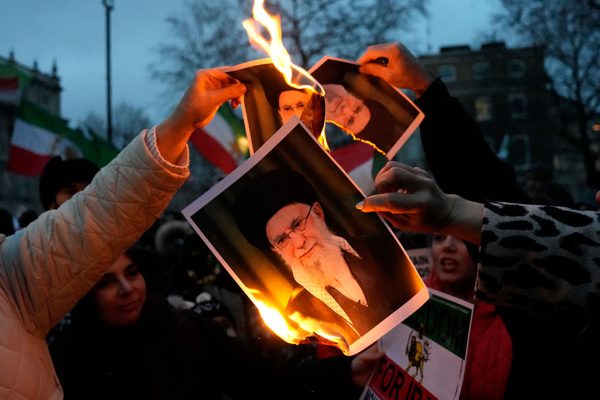
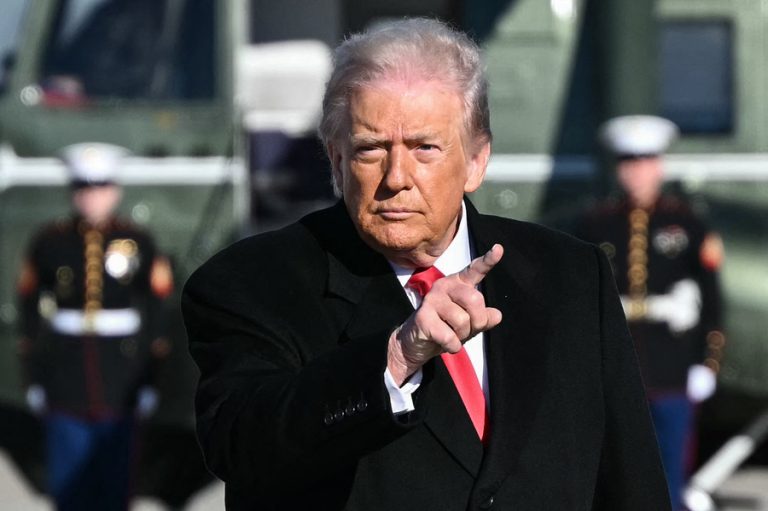
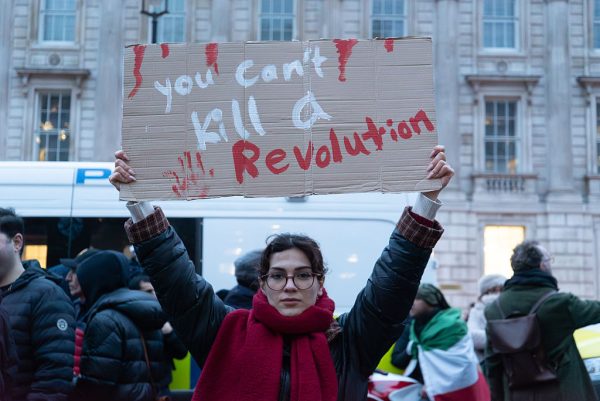
On Tuesday, Jan. 13, U.S. President Donald Trump urged Iranians to continue protesting and said that help is on the way. Meanwhile, Iran’s clerical ruling establishment is intensifying its crackdown in response to the largest demonstrations in years.
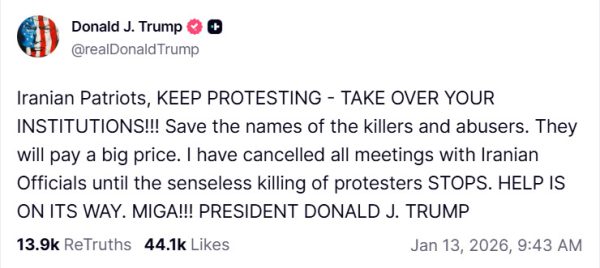
Posting on the Truth Social platform, Trump wrote: “Patriots of Iran, keep protesting—take over your institutions!!! Remember the names of the murderers and abusers; they will pay a heavy price.” He also said he had canceled all talks with Iranian officials until the authorities stop the “senseless killing” of protesters, emphasizing that “help is on the way.”
The unrest, triggered by severe economic conditions, has become the greatest internal challenge Iran’s rulers have faced in at least three years. The protests erupted as Iran is also under increasing international pressure, with Israel and the United States having carried out strikes against Iran last year.
An Iranian official told Reuters that around 2,000 people, including members of the security forces, have died in the recent protests. The official said so-called “terrorists” were the main cause of deaths among both protesters and security personnel, but did not specify the proportion of each group. This is also the first time Iranian authorities have acknowledged such a high death toll during over two weeks of nationwide unrest.
Success
You are now signed up for our newsletter
Success
Check your email to complete sign up
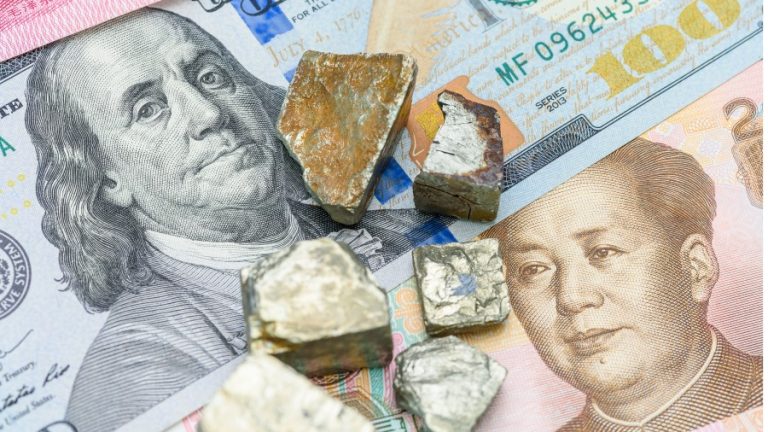
On Monday evening, Trump announced that, effective immediately, any country trading with the Islamic Republic of Iran will face a 25 percent tariff on any and all trade conducted with the United States.
Iran’s trading partners include not only neighboring countries, but also major economies such as India, Turkey, and China. China is the largest buyer of Iranian crude oil, and as of last month, independent Chinese refiners were still increasing imports of Iranian oil.
Trump also said that, as punishment for Iran’s crackdown on protests, one of the options he is considering includes taking additional military action.
Iranian Foreign Minister Abbas Araghchi told Al Jazeera on Monday that during the protests he has continued to communicate with U.S. envoy Steve Witkoff, and said Tehran is studying related proposals put forward by Washington.
In terms of international reactions, the United Kingdom, France, Germany, and Italy have all summoned Iranian ambassadors to protest the crackdown.
Germany’s Foreign Ministry wrote on the social media platform X: “The brutal actions taken by the Iranian regime against its own people are shocking.”
In addition, German Chancellor Friedrich Merz said he believes the Iranian government will collapse. “I think we are now witnessing the last days and weeks of this regime,” he said, adding that if the regime must rely on violence to hold on to power, “it has in fact already come to an end.” However, he did not further explain whether this judgment was based on intelligence or other assessments.
Meanwhile, Iran has recently imposed communication restrictions, including internet shutdowns, making it more difficult for the outside world to obtain information. The UN Human Rights Office stated that telephone service has been restored, but internet connections to Iran remain intermittent.
Iran’s Intelligence Ministry said it has seized electronic devices that were originally intended to be used for espionage and for establishing communications (including internet access) during the protests. The statement was released through state media. The Iranian Kurdish human rights organization Hengaw also reported that authorities have launched large-scale operations in multiple cities, confiscating communication devices from households.