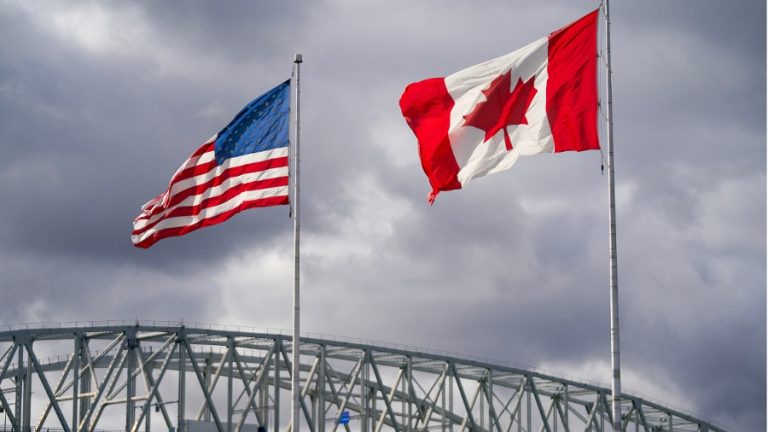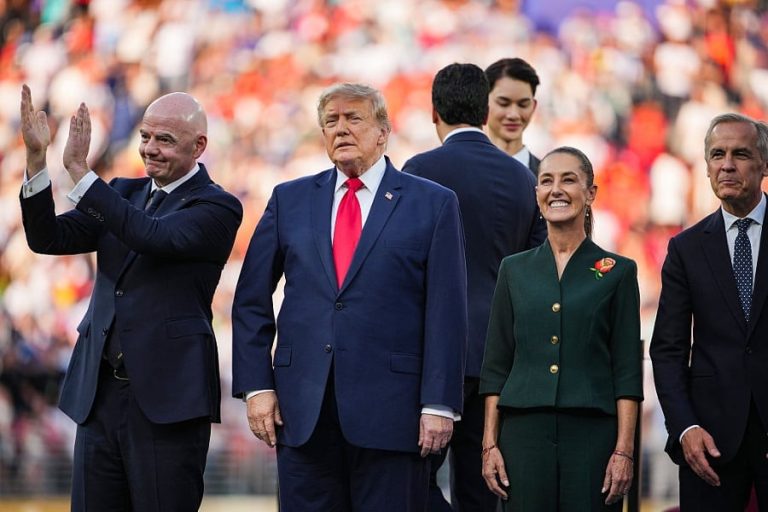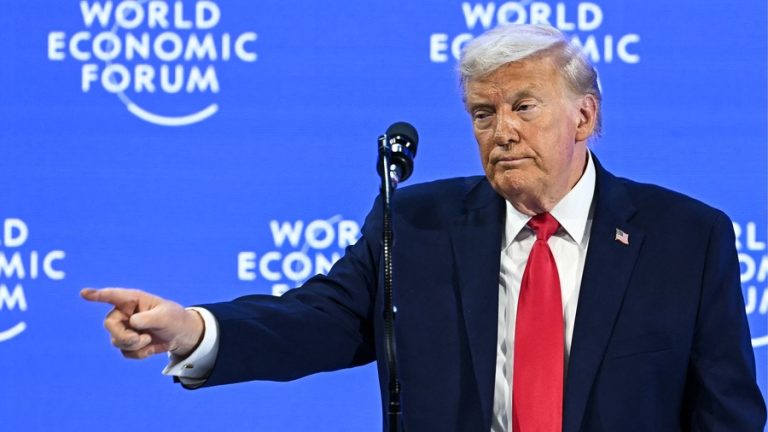
According to the Associated Press, U.S. President Donald Trump on Saturday threatened that if Canada continues to advance a trade deal with China, he would impose a 100 percent tariff on Canadian goods. Trump wrote on social media that if Canadian Prime Minister Mark Carney thinks he can turn Canada into a “transit hub” for Chinese goods exported to the U.S., he is gravely mistaken.
Bloomberg further noted that this threat has intensified U.S.-Canada tensions. In his post, Trump stated, “China will devour Canada, including destroying its business, social structures, and overall way of life.” He emphasized that if a China-Canada deal is finalized, the U.S. will immediately impose a 100 percent tariff on all Canadian goods.
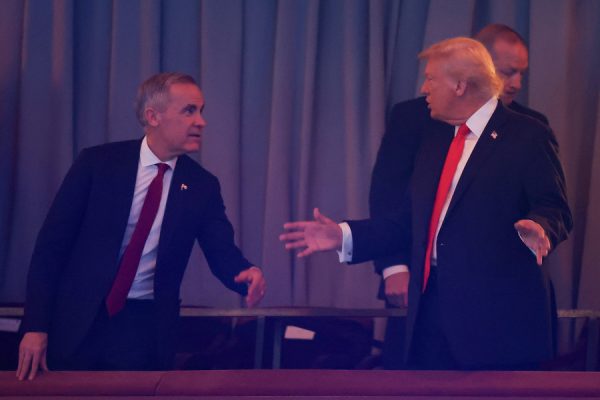
Canada-US trade friction and the China deal
Although Trump had previously expressed support for a Canada-China agreement, calling it “a good deal worth signing,” Canada still reached a deal with China this month to reduce tariffs on Chinese electric vehicles, in exchange for China lowering import taxes on Canadian agricultural products. Prime Minister Carney expects China to reduce tariffs on Canadian canola and allow 49,000 Chinese electric vehicles into Canada, lowering tariffs from 100 percent to around 6 percent, while also offering visa-free access for Canadian citizens.
Carney spoke at the World Economic Forum in Davos, calling on medium-sized countries to unite against coercion by major powers—a statement seen as an indirect criticism of Trump’s leadership style. Trump responded by claiming Canada is “ungrateful” for U.S. military protection and asserting that “Canada’s existence depends on the U.S.,” which Carney rejected. Subsequently, Trump withdrew his invitation for Canada to join his so-called “Peace Committee.”

US-Canada tensions: the risks of Carney’s pro-China approach
The Associated Press reported that Trump referred to Carney on social media as “Governor Carney,” continuing his mocking nickname trend from former Prime Minister Justin Trudeau, highlighting the deterioration of relations between the two leaders. Trump had previously suggested he wanted to make Canada the 51st U.S. state and posted modified maps on social media marking Canada, Venezuela, Greenland, and Cuba as U.S. territory.
Success
You are now signed up for our newsletter
Success
Check your email to complete sign up
Currently, Canada and the U.S. have not reached any agreement to reduce tariffs on key economic sectors, but the U.S.-Mexico-Canada Agreement (USMCA) provides partial protection for Canada, ensuring that major exports are shielded from Trump’s tariffs.
Amid tense U.S.-Canada relations, Canada has accelerated efforts to expand trade ties with Europe and Asia, including signing a trade deal with China and seeking new trade relations with India. This strategy also signals Canada’s gradual effort to reduce sole dependence on the U.S. in foreign affairs.
U.S. Commerce Secretary Howard Lutnick publicly criticized Carney’s pro-China stance at the World Economic Forum, calling his speech “political noise” and questioning Canada’s recent deal with China, arguing that it could harm Canada’s trade position and strategic interests. The Washington Post also commented that Canada’s move to strengthen ties with China in response to Trump’s provocations may be short-sighted and naive, warning that overreliance on China could pose risks in long-term geopolitical competition.