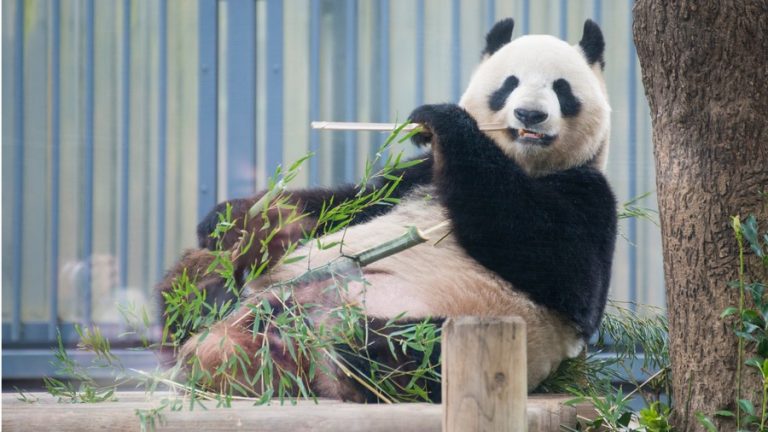
On Jan. 27, a farewell at Tokyo’s Ueno Zoo unfolded in a mix of tears and smiles. One day later, China proceeded with the scheduled return of Japan’s last two giant pandas, Xiao Xiao and Lei Lei, marking the end of an era that began more than half a century ago.
For the first time since Japan received its first pair of pandas in 1972, the country’s zoos have entered what many are calling a “panda-free era.” For fans, it felt less like the departure of two animals than the closing of a chapter in Japan’s popular culture.
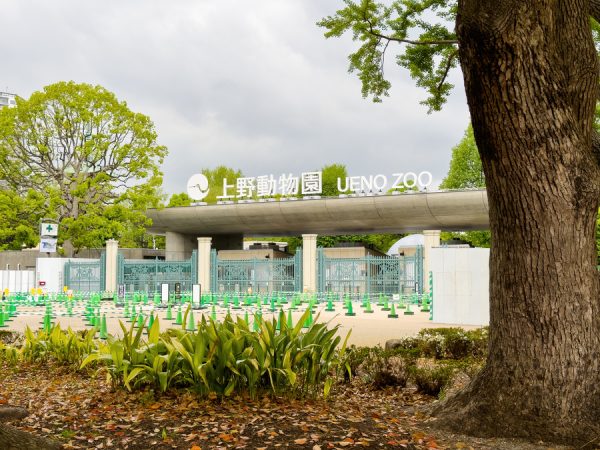
Long lines formed outside the panda enclosure as visitors clutched souvenirs and took photos, some treating the moment as a farewell to childhood memories. In widely shared videos, even the keepers who had cared for the pandas daily were seen breaking down in tears.
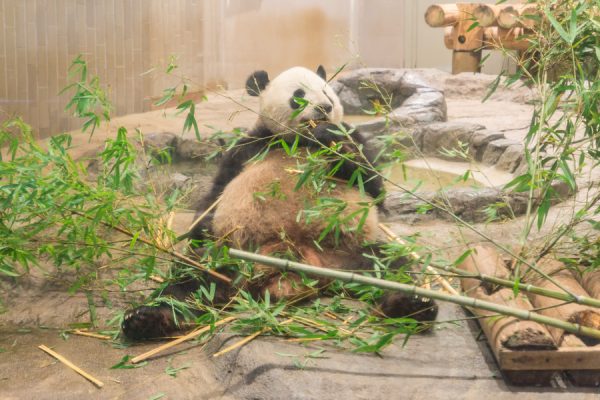
Born in 2021, the twin sisters quickly became superstars. Ueno Zoo’s panda house turned into one of Tokyo’s most popular destinations, drawing crowds eager to watch the pair tumble through bamboo groves, snack endlessly, and cling playfully to their caretakers.
Lei Lei became known for her camera-ready antics, often striking exaggerated poses. Xiao Xiao, by contrast, earned a reputation as a devoted eater, capable of chewing through dozens of kilograms of bamboo in a single day. Merchandise featuring their black-and-white faces flooded the city, appearing on everything from keychains to ice cream wrappers.
Success
You are now signed up for our newsletter
Success
Check your email to complete sign up
Their return to China has left an emotional gap. “Our children are growing up,” one Tokyo mother said in an interview, “but pandas have always been our family’s good-luck symbol.”
Zoo officials estimate visitor numbers could drop by more than 30 percent. Nearby cafés and souvenir shops built around panda themes are now weighing how to reinvent themselves without their star attraction.
Yet the farewell cannot be separated from a larger diplomatic context.
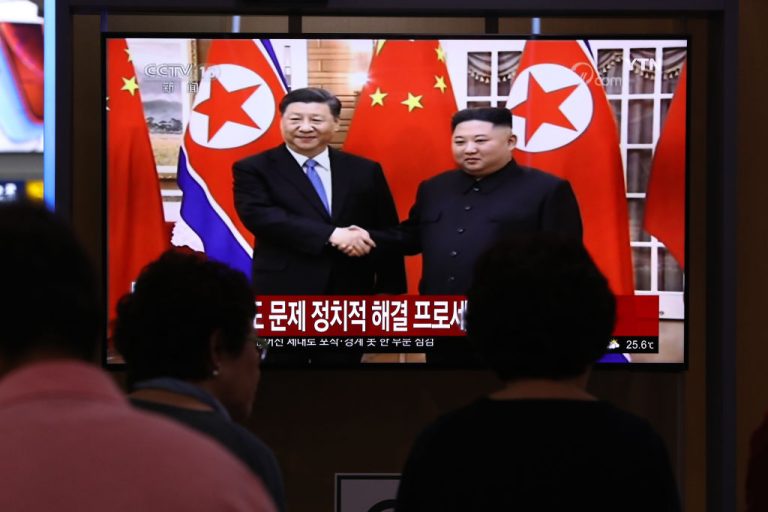
Since the normalization of Sino-Japanese relations in 1972, the Chinese Communist Party has used giant pandas as goodwill ambassadors. Panda loan agreements have long been seen as symbolic indicators of bilateral relations. When ties are warm, pandas stay. When relations cool, renewals become uncertain.
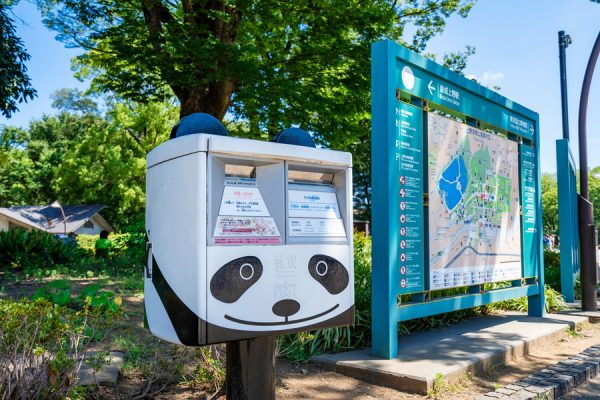
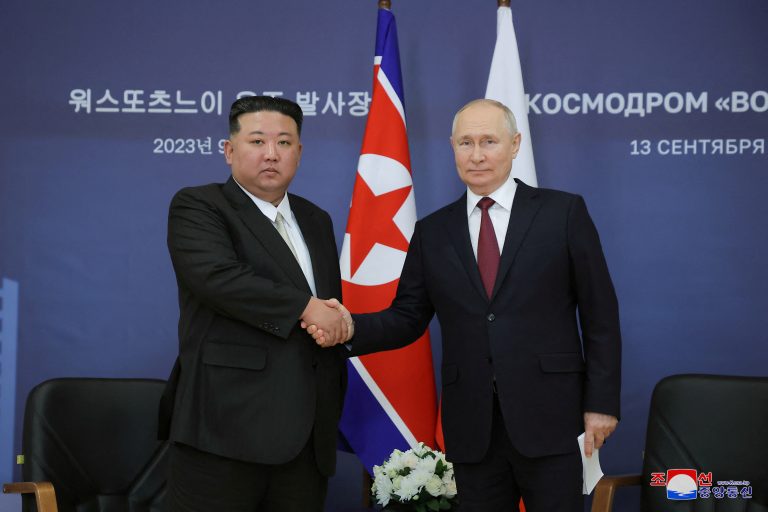
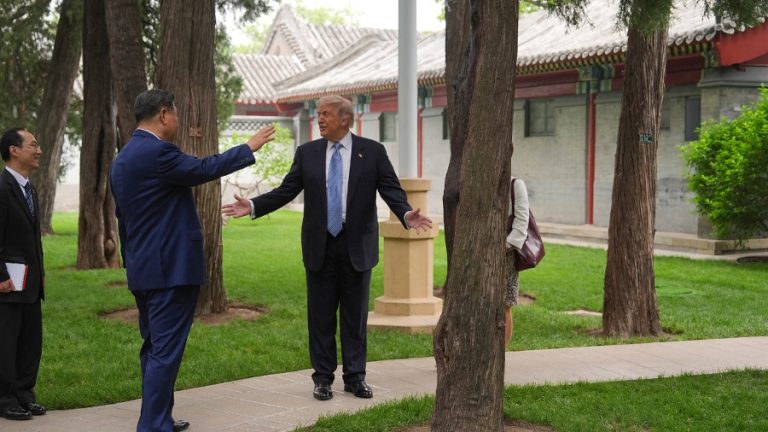
In recent years, tensions between China and Japan have intensified over territorial disputes, trade friction, and regional security concerns. Analysts note that following tougher rhetoric toward Beijing by Japanese Prime Minister Sanae Takaichi in late 2025, China opted not to renew the panda loan.
Japan is not alone. In recent years, China has also recalled pandas from several other countries, including the United States and parts of Europe. Some experts interpret this trend as a shift in Beijing’s diplomatic strategy, placing greater emphasis on tangible national interests rather than symbolic soft power.
“Goodbye, Lei Lei and Xiao Xiao,” fans wrote online as farewell messages flooded social media. On X, users shared old videos and photos, lamenting what one post called “the end of a 50-year black-and-white dream.”
Ueno Zoo plans to launch a panda memorial exhibition featuring archival photos and interactive displays. Whether that will be enough to soothe disappointed fans remains uncertain.
Japan’s creative industries, however, are already adapting. Entertainment producers have floated ideas ranging from panda-themed reality shows to virtual reality experiences. Anime studios are reportedly developing an animated series inspired by Xiao Xiao and Lei Lei, allowing fans to continue “visiting” the pandas—this time, on screen.