By Yang Tianzi
In early February 2026, global financial markets experienced an unexpectedly severe shock. The previously high-performing precious metals market in January suddenly reversed dramatically. The sharp drops in gold and silver prices not only shocked commodity investors but also triggered a chain reaction across global stock, bond, and even cryptocurrency markets. What began as a storm in the precious metals market quickly escalated into a broad market adjustment affecting multiple asset classes, highlighting the fragility of leveraged trading and the complex interconnections between different assets in modern financial markets.
Historic reversal in the precious metals market
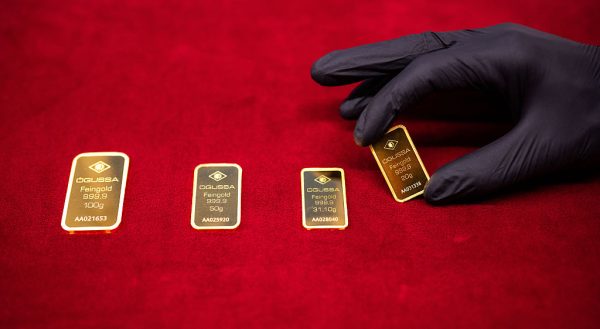
Looking back at the origin of this market turbulence, gold and silver performed exceptionally well in January. Gold spot prices briefly climbed to nearly $5,600 per ounce last week, a historic high reflecting investors’ deep concerns over global economic uncertainty, geopolitical risks, and inflation expectations. However, market sentiment shifted dramatically last Friday, and by intraday trading on Feb. 2, gold had plunged as much as 10%, falling to $4,402.95 per ounce—a rare decline in the precious metals market.
The silver market suffered even more severely. Silver spot prices fell 26 percent in a single day last Friday, marking the largest one-day drop on record, stunning the entire market. By Feb. 2, silver continued to decline, dropping another 16.2 percent intraday to $71.38 per ounce. These consecutive days of sharp declines not only erased all of silver’s gains from January but also caught any leveraged investors off guard, creating immense financial pressure.

Margin adjustments: the trigger for market collapse
To understand the root cause of this precious metals crash, attention must be paid to the Chicago Mercantile Exchange’s (CME) margin adjustment announcement last Saturday. This seemingly technical change became the critical trigger for a chain reaction in the market. CME announced that after the close of trading on Feb. 2, it would significantly raise margin requirements for precious metals futures—an increase that surprised the market.
Success
You are now signed up for our newsletter
Success
Check your email to complete sign up
Specifically, margins for non-high-risk gold contracts would rise from 6% of contract value to 8 percent, a one-third increase; high-risk margins would increase from 6.6 percent to 8.8 percent. Silver contracts saw even more pronounced adjustments: non-high-risk margins jumped from 11 percent to 15 percent, and high-risk margins rose from 12.1 percent to 16.5 percent, an increase of nearly 40 percent.
The logic behind such large margin adjustments is risk control. When extreme volatility occurs, exchanges raise margin requirements to reduce systemic risk. However, for leveraged investors, a sudden increase in margin means they must inject more capital to maintain positions or else reduce or close positions entirely.

Margin hikes trigger ‘leverage pressure’ and a domino effect
Wattel, chief market analyst at KCM Trade, pointed out the destructive impact of this mechanism: “The chaos in the precious metals market last Friday made investors nervous. The margin increase forced investors to liquidate positions, causing sell pressure in other assets. The declines in gold and silver prices actually triggered a domino effect across other markets.”
The domino effect operates through a complex but logical chain. When investors face heavy losses or margin calls in the precious metals market, they often must quickly liquidate other assets to cover losses or meet margin requirements. Highly liquid assets—such as stocks, bonds, and even cryptocurrencies—are usually sold first. These forced sales further depress prices, inflicting additional losses on other investors and creating a vicious cycle.
Many professional investment firms and large leveraged funds hold positions across multiple asset classes. When their precious metals positions come under pressure from margin hikes, they are compelled to sell other assets to raise cash. This “technical factor” and “leverage-driven” selling is often unrelated to fundamentals, yet it has a profound impact on prices and can rapidly amplify market panic.

Global stocks and risk assets slide in tandem
The panic originating in precious metals quickly spread to global equity markets. Asian stocks on Feb. 2 posted their worst two-day performance since early April last year, with major indices sharply down and investor confidence visibly shaken. European equities also continued to fall in early trading, while futures markets signaled further declines for Wall Street indices.
The cryptocurrency market was not spared. As risk appetite deteriorated rapidly, Bitcoin briefly fell below $75,000, a notable drop from recent highs, reflecting investors’ shift away from risky assets toward more conservative strategies. Being highly volatile, Bitcoin is often one of the first assets sold in a panic.
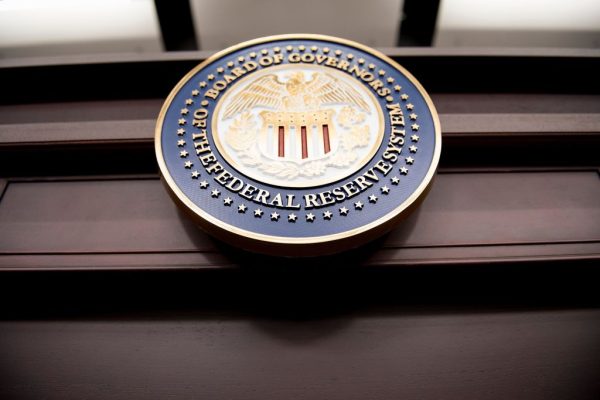
Policy developments also played a role. Last Friday, U.S. President Trump nominated Kevin Warsh as the next Federal Reserve chairman, producing complex and far-reaching market effects. This announcement lifted the U.S. Dollar Index—which tracks the dollar against a basket of six major currencies—by 0.7 percent that day and up to another 0.3 percent intraday on Feb. 2.
At 55, Warsh is long known as a hawkish anti-inflation figure, respected in both academic and policy circles.
Dollar strength adds pressure on precious metals
The strengthening dollar added extra pressure on gold and silver prices. Generally, when the dollar rises, dollar-denominated gold and silver become more expensive for holders of other currencies, potentially reducing demand. In the current market turmoil, the dollar’s role as a global reserve and safe-haven currency has further highlighted the outflow of funds from emerging markets and risk assets back into the dollar system, exacerbating global financial imbalances.
This turmoil, originating in precious metals, has exposed several deep structural issues in modern financial markets. First is the widespread use of leverage. After years of low interest rates, many investors have become accustomed to using high leverage to amplify returns, which also magnifies losses during extreme volatility, triggering forced liquidations and chain reactions.
Second is the high interconnectivity of markets. Globalization and financial innovation have increased correlations between asset classes and across regions. While this may be less noticeable in calm periods, it allows risks to spread quickly during crises, causing previously independent markets to move in tandem.
Third is the fragility of liquidity. Although markets may appear liquid in normal times, liquidity can dry up quickly under stress. When many investors attempt to sell simultaneously, buying power is insufficient, resulting in sharp price collapses.
Looking Ahead
Market participants will need to watch several key factors closely: the Federal Reserve’s policy direction, especially after Warsh takes office; potential further margin adjustments and their impact; and changes in global economic fundamentals, including inflation trends, growth prospects, and geopolitical risks.
Opinions differ on whether this gold and silver sell-off will continue or signal the start of a broader market correction. Some analysts see the two- to three-tenths drop as a short-term correction after prior gains, potentially “cooling off” leveraged speculative funds and returning prices to a healthier trajectory.
Others warn that this combination of margin hikes, leveraged liquidation, and a strong dollar exposes vulnerabilities in a financial system with high leverage and expensive assets. Any further negative shock—such as deteriorating economic data, rising geopolitical risks, or miscommunication from the Fed—could reignite market panic.
What is certain is that abnormal swings in the gold and silver markets have shifted investors’ focus from single-asset movements to broader issues: global liquidity is at a delicate inflection point from easy to tight, the future path of U.S. monetary policy is uncertain, and leverage plus margin systems act as amplifiers during extreme market conditions.
In this environment, whether professional institutions or retail investors, all face the same question: when even safe-haven assets can “flash crash” and interest rate and liquidity prospects are unpredictable, what asset allocation and risk management strategies are robust enough to withstand the next storm?
The market storm sparked by collapsing gold and silver prices may be only the beginning of a broader reckoning: the asset prosperity built over the past decade on ultra-low interest rates and abundant liquidity is entering an era that requires repricing and adjustment.