Commentary
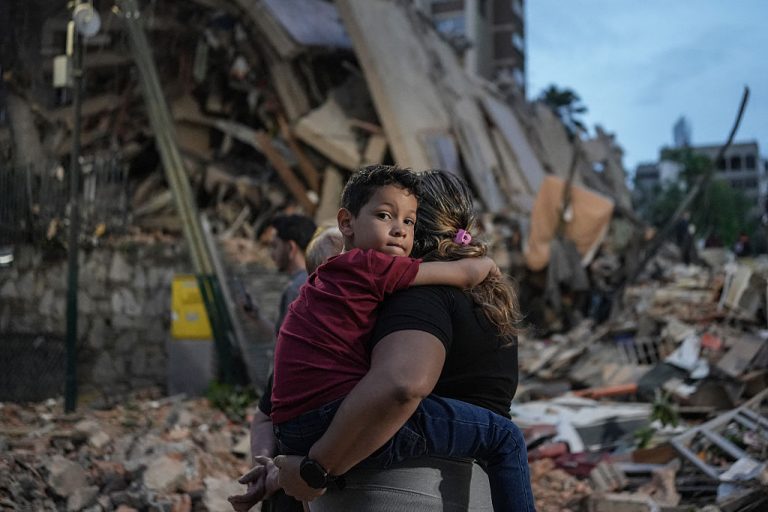
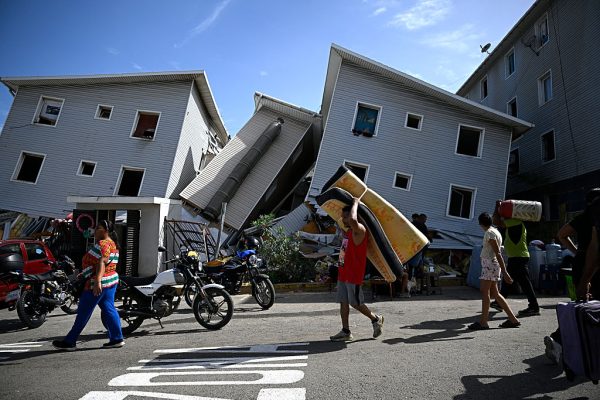
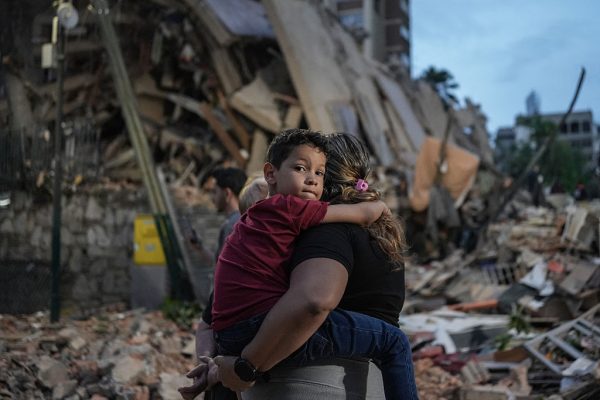
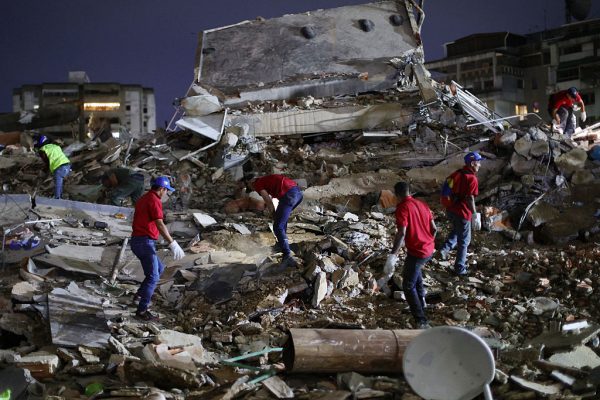
Two earthquakes struck northern Venezuela within a minute of each other on Wednesday (June 24) evening, a magnitude 7.2 tremor followed 39 seconds later by a magnitude 7.5 quake, both shallow and centered roughly 170 kilometers west of Caracas, near the coastal town of Morón. The 7.5 was the strongest earthquake to hit the country in more than a century. Buildings collapsed in the capital and along the coast, with the state of La Guaira among the hardest hit. Venezuelan officials said on Friday, June 26, that at least 920 people had died and about 3,360 were injured, with thousands still missing and the toll expected to climb.
This January, American forces abducted President Nicolás Maduro and his wife in a military operation in Caracas and flew him to New York to face criminal charges. Two days later his vice president, Delcy Rodríguez, was sworn in as acting president, and U.S. President Trump said Washington would run the country until it could oversee a transition. Six months on, the relief now reaching Venezuela is being directed by the same U.S. military.
China, which lent Venezuela more money than it has lent almost any other country, has answered with a message of condolence and a shipment of aid. The gap between those two responses reflects how far Venezuela has slipped out of Beijing’s orbit since January.
A rare doublet struck a country already in crisis
The two quakes formed a doublet, two ruptures of similar magnitude that broke seconds apart and close together. A large earthquake is normally followed by weaker aftershocks, but this sequence produced two near-equal shocks. They broke along the strike-slip fault system that runs the length of northern Venezuela, where the Caribbean and South American plates grind past each other. Both were shallow, and the larger rupture ran for roughly a hundred kilometers along the fault, which kept the ground shaking far longer than a single quake of that size normally would.
Success
You are now signed up for our newsletter
Success
Check your email to complete sign up
Many Venezuelan buildings are unreinforced masonry that performs poorly under strong shaking. Years of crisis had already worn down the hospitals and the power grid, and much of the population was living on outside aid. The population is increasingly dependent on humanitarian help. The U.S. Geological Survey put the chance of economic losses at roughly one in three.
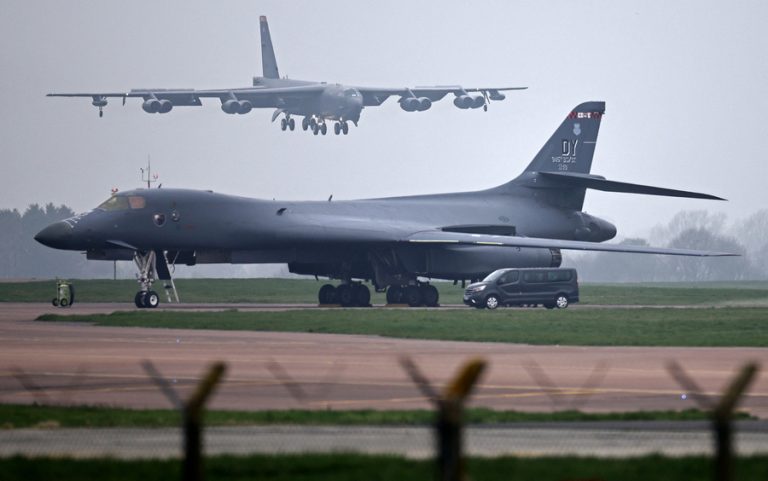
The American response has been built on military logistics. Washington has pledged $150 million in aid and is sending warships, transport planes and helicopters, with Secretary of State Marco Rubio promising a fast, large-scale response. U.S. Southern Command is moving the amphibious transport ship Fort Lauderdale and the combat ship Billings into the area, along with C-17 and C-130 cargo aircraft to coordinate the operation.
American forces are now operating openly inside Venezuela, directing the relief from Caracas six months after they entered the capital to seize the country’s head of state. The relief is real, and it also shows the reach of American control inside Venezuela.
China was Venezuela’s main creditor for two decades
For most of this century, China was the financial power behind Caracas. Through 2015, Chinese state banks lent Venezuela at least $60 billion, most of it through the China Development Bank and repaid in oil. Researchers describe it as the largest amount China has lent any single country. The money built more than 200 infrastructure projects, most of them awarded to Chinese firms. Beijing also sold Venezuela military equipment and built satellite tracking stations on its soil, a foothold in the Western Hemisphere. About $10 billion of that lending is still outstanding and now at risk under a government that may challenge the debts altogether.
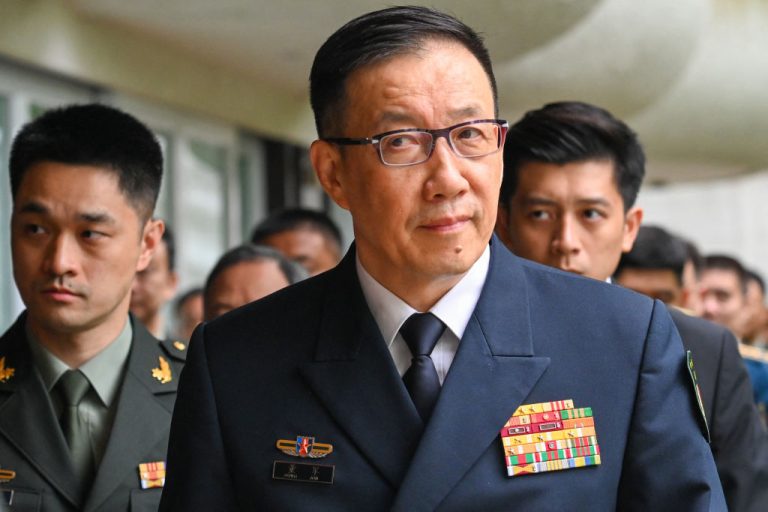
Against that history, Beijing’s response to the catastrophe has been small. Chinese leader Xi Jinping sent Rodríguez a message of condolence and said China stood ready to help with relief and reconstruction, and the Chinese government and the Red Cross Society of China have offered emergency aid, a rescue team and medical supplies. In the first hours, some of the most visible Chinese help on the ground came from the local Chinese community.
The country China spent two decades cultivating now sits increasingly under American oversight, and in its worst hour Beijing’s role has shrunk to a statement and a relief shipment, with nothing approaching the logistics the United States has put in motion.
The next test is reconstruction. China has offered to help rebuild, yet Trump has already said American oil companies will take on Venezuela’s infrastructure, the same oil sector that anchored Beijing’s relationship with Caracas for twenty years. Whether reconstruction work flows to the Chinese firms that built the old arrangement or to American ones will show how much of its position China can keep.