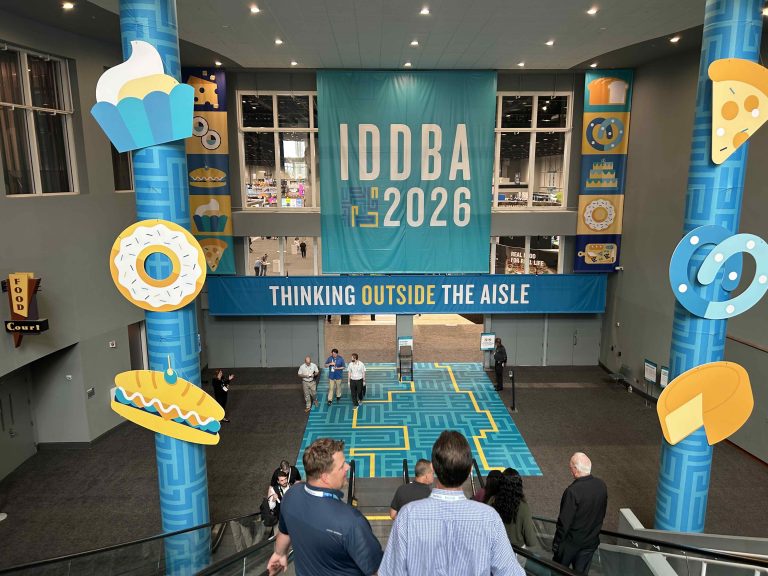
LAS VEGAS, Nevada — As the grocery industry continues to evolve under economic pressure, shifting consumer habits, and rapid technological change, independent retailers are charting a distinct path forward. At this year’s NGA Show 2026, organized by the National Grocers Association, thousands of independent grocers, wholesalers, and suppliers gathered in Las Vegas to explore how agility, community connection, and strategic sourcing are shaping the future of food retail.
Held at the MGM Grand Conference Center, the annual event remains one of the most influential gatherings dedicated specifically to independent grocery operators across the United States.
RELATED: Inside America’s Food & Beverage Show 2025: Exhibitors Leading the Charge
A changing grocery landscape
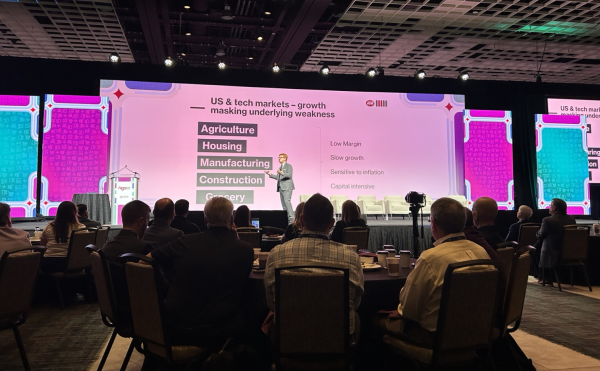
Independent grocers today are navigating a marketplace shaped by inflation sensitivity, private-label growth, rising e-commerce expectations, and increasing demand for health-focused products. Unlike large national chains, independents often rely on curated assortments, local partnerships, and neighborhood trust to stay competitive. Across conference sessions, several key themes emerged, including:
- Margin management amid pricing volatility
- Technology adoption without sacrificing personal service
- Growth of functional and better-for-you products
- Localized sourcing and community-driven branding
Speakers emphasized that independent retailers are uniquely positioned to respond quickly to regional tastes and demographic shifts — an advantage large chains often struggle to replicate.
Innovation on the exhibit floor
Success
You are now signed up for our newsletter
Success
Check your email to complete sign up
The exhibit hall featured hundreds of suppliers spanning center-store goods, fresh categories, specialty foods, and retail technology solutions. Product trends reflected evolving consumer demand, including:
- Protein-forward snacks and ready-to-eat meals
- Clean-label and minimally processed items
- Ethnic and globally inspired flavors
- Functional beverages and wellness supplements
- AI-powered inventory and pricing tools
For emerging brands, the show offered direct access to independent buying teams — a segment often more flexible and open to new product testing than national chains.
Independent retail as a community anchor
Beyond product innovation, a recurring theme was the role of independent grocery stores as economic and social anchors in local communities. Many serve rural and underserved neighborhoods where large-format retailers have limited presence. Industry leaders highlighted how independents:
- Support regional suppliers
- Adapt quickly to local food preferences
- Provide employment in small and mid-sized towns
- Maintain long-standing customer relationships
This community-centered approach may become even more valuable as consumers seek authenticity and trust in their food sources.
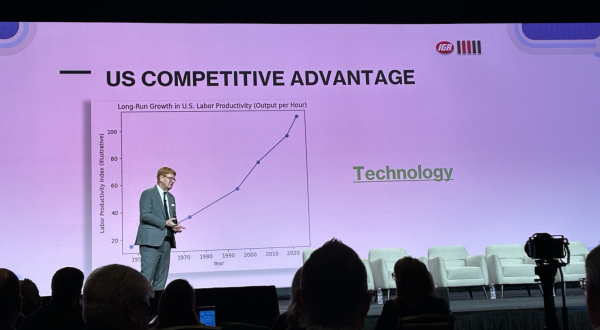
Technology without losing identity
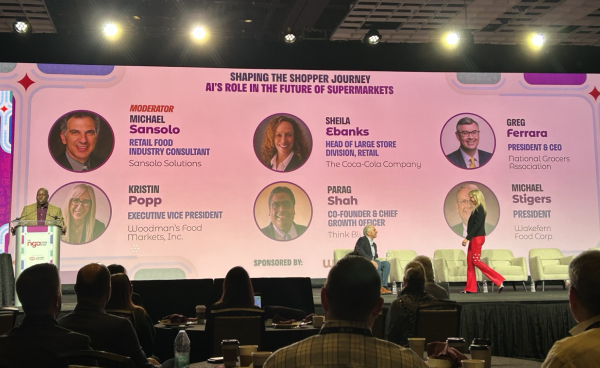
Retail technology discussions focused on practical implementation rather than sweeping transformation. Solutions emphasized:
- Smarter demand forecasting
- Labor optimization
- Loss prevention
- Data-driven category management
Still, many retailers expressed caution about over-automation. Preserving the neighborhood feel and human connection remains central to the independent grocery model.
Looking ahead
As 2026 unfolds, independent grocers face both opportunity and uncertainty. Economic headwinds persist, yet consumer appetite for differentiated, community-rooted shopping experiences continues to grow.
The NGA Show made one message clear: the independent grocery sector is not retreating — it is recalibrating. By blending innovation with trust and local identity, independent retailers are redefining resilience in the modern retail era.
For suppliers and brands looking to enter regional markets, the independent channel remains one of the most dynamic and relationship-driven segments in food retail today.
Featured exhibitors
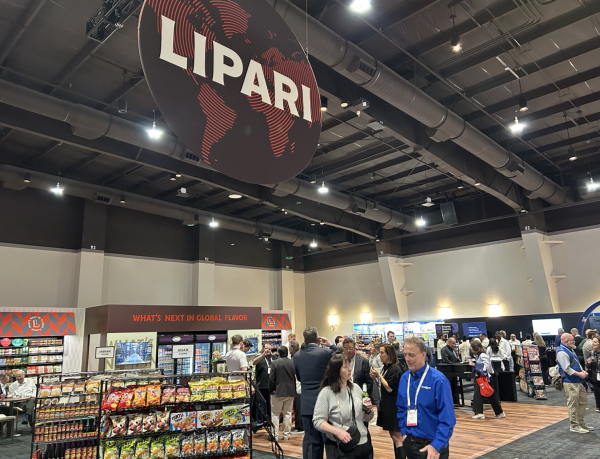
Lipari Foods
Lipari Foods is a privately held specialty food distributor headquartered in Warren, Michigan, serving independent grocers, regional supermarket chains, convenience stores, and foodservice operators across the Midwest and parts of the Eastern United States. The company distributes thousands of SKUs — from deli meats and imported cheeses to bakery, frozen, dairy, snacks, and international products. Lipari is primarily a B2B logistics partner, known for strong retailer relationships, private-label programs, and efficient regional distribution.
Di Marco
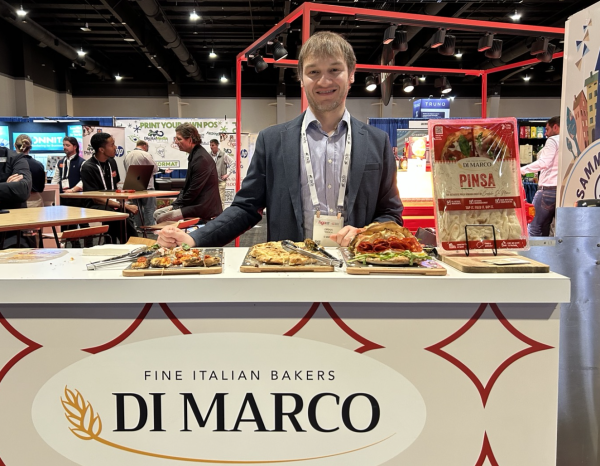
Di Marco is a family-owned Italian baking company based in Rome and the creator of the Original Pinsa Romana — a lighter, highly digestible alternative to traditional pizza developed in 2001. Founder Corrado Di Marco combined Roman baking traditions with fermentation research, producing dough blends made from wheat, rice, and soy flours. Now distributed internationally, Di Marco offers both foodservice and retail-ready products, including gluten-free options, while positioning itself as a premium artisan brand rooted in heritage and innovation.
Equal Exchange
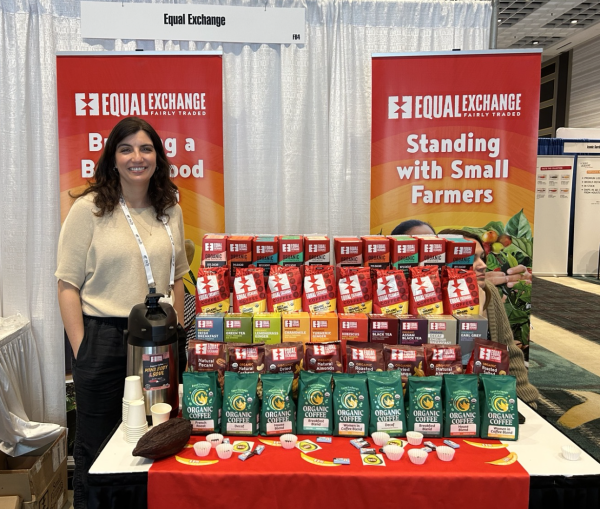
Equal Exchange is a U.S.-based worker-owned cooperative founded in 1986 and headquartered in West Bridgewater, Massachusetts. A pioneer of the Fair Trade movement in North America, the company partners directly with small-scale farmer cooperatives across Latin America, Africa, and Asia. Equal Exchange sources organic coffee, tea, chocolate, sugar, and more, emphasizing long-term relationships, democratic ownership, and a mission centered on social justice and sustainable supply chains.
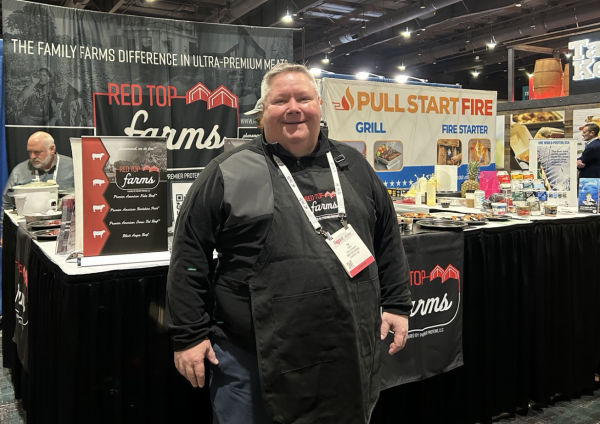
Red Top Farms
Red Top Farms is a family-owned specialty meat company based in Kearney, Missouri, focused on sourcing premium beef and pork from small American farms using ethical and sustainable practices. Known for American Wagyu, grass-fed beef, and Berkshire pork, the company supplies both retail and restaurant customers. Red Top Farms highlights animal welfare, heritage breeds, and clean sourcing as an alternative to industrial meat production.
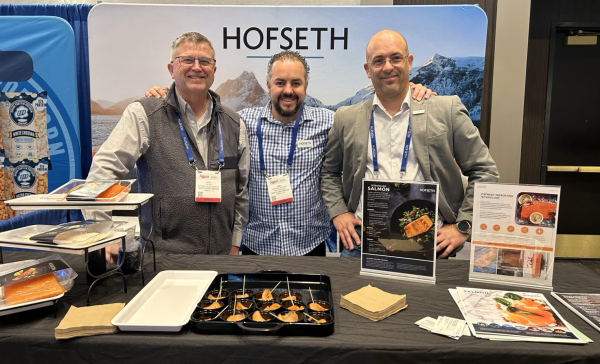
Hofseth
Hofseth is a vertically integrated Norwegian seafood company headquartered in Ålesund, specializing in sustainable farming, processing, and global distribution of Atlantic salmon and trout. Managing the full value chain from hatcheries to processing facilities, Hofseth supplies retail and foodservice markets worldwide. The company is recognized for its emphasis on fish welfare, traceability, and innovation in aquaculture systems.
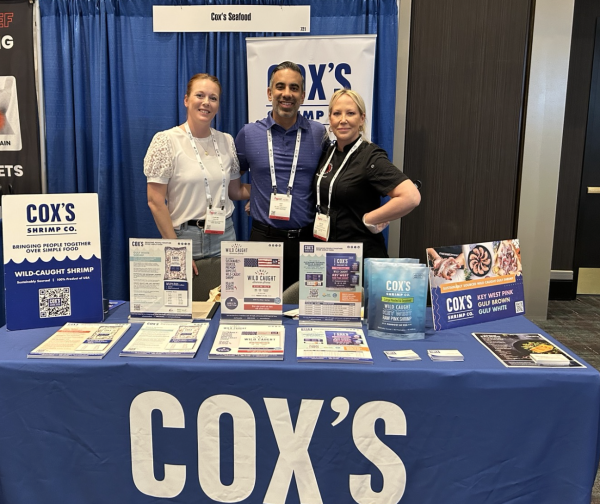
Cox’s Seafood
Founded in 1978, Cox’s Seafood is a Tampa, Florida–based company specializing in premium wild-caught shrimp from the Gulf of Mexico and Atlantic Ocean. Its offerings include Key West Pink, Gulf White, and Gulf Brown shrimp, all sourced domestically and processed without chemical additives. Cox’s supplies both grocery and foodservice customers across North America.
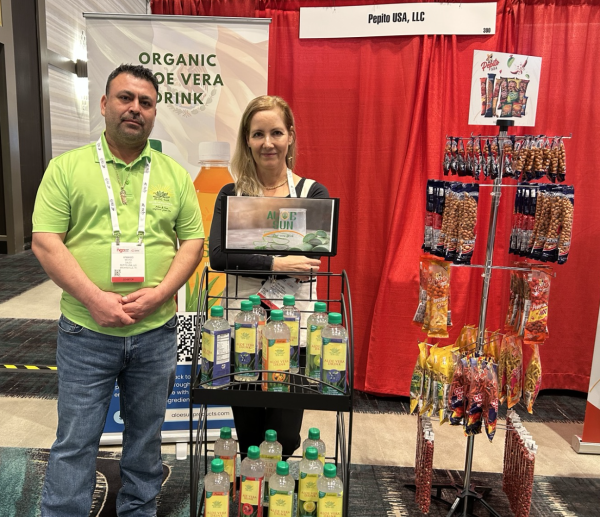
Aloe Sun Products
Aloe Sun Products LLC specializes in organic aloe vera beverages and aloe raw materials, sourcing organically grown aloe primarily cultivated in Mexico. The company produces drinks focused on hydration, digestive wellness, and clean-label positioning. Aloe Sun operates within the functional beverage category and also supplies aloe ingredients for broader commercial use.
Fortune Favors
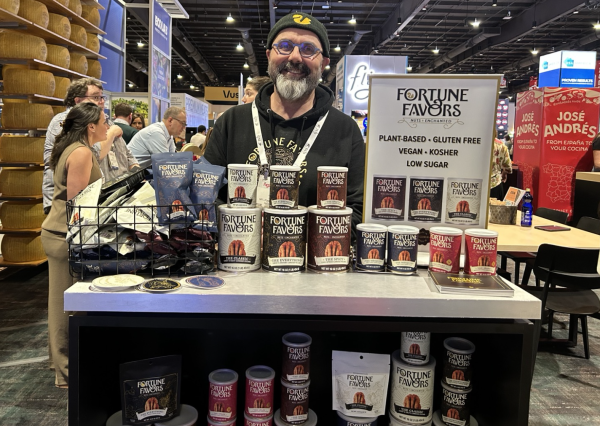
Fortune Favors is a specialty snack company founded in Madison, Wisconsin, known for premium artisan-crafted candied pecans made with high-quality ingredients and often lower sugar than traditional glazed nuts. Originally launched in 2018 as Nutkrack, the brand rebranded to support national expansion. Fortune Favors emphasizes small-batch craftsmanship, playful storytelling, and strong community roots.
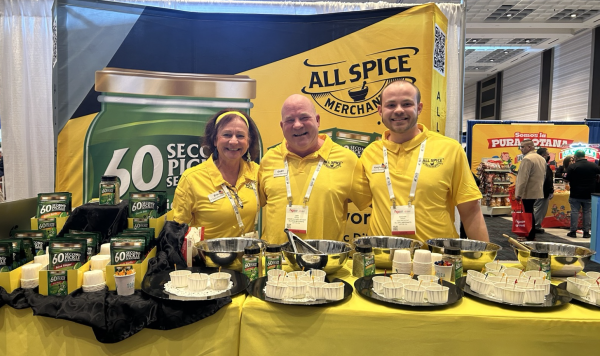
All Spice Merchants
All Spice Merchants is a small Ohio-based spice company producing handcrafted seasoning blends designed to make home cooking more flavorful and convenient. Headquartered in Dayton, the company focuses on small-batch mixes for grilling, soups, dips, and everyday meals. Its popular “60-Second Pickle” seasoning line reflects the brand’s approachable, retail-friendly focus on helping home cooks elevate simple dishes.