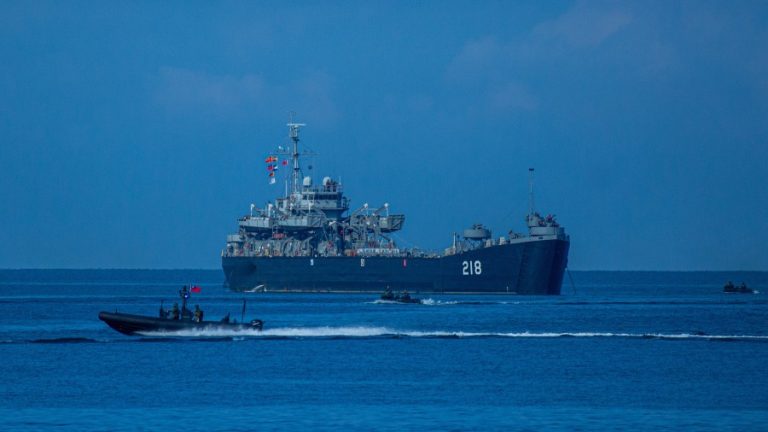
Chinese state broadcaster CCTV reported that Iran’s Supreme Leader Ali Khamenei had been killed in U.S.-Israeli airstrikes on Tehran, prompting widespread reaction on Chinese social media. At the same time, China’s navy did not appear at the planned “Maritime Security Belt 2026” exercise with Iran and Russia, despite earlier expectations of its participation.
Strike in Tehran
In the early hours of Feb. 28, 2026, U.S. and Israeli forces launched what officials described as “Operation Epic Fury,” striking multiple targets in Tehran. U.S. and Israeli officials said Khamenei was meeting senior political and military figures at a secure location and characterized the strike as a decapitation operation targeting 40 senior officials, including the Supreme Leader.
Shortly after midnight on March 1, U.S. President Donald Trump wrote on Truth Social: “Khamenei, one of the most evil people in history, is dead!” He added that Khamenei “could not escape our highly precise intelligence and tracking systems.”
An Israeli senior official later said a body recovered from the rubble had been identified as Khamenei. Iran initially maintained that he was alive, but after Trump’s statement, Iranian state television confirmed his death. CCTV subsequently reported, citing a source close to the Supreme Leader’s residence, that Khamenei’s daughter, son-in-law, and 14-month-old granddaughter were also confirmed dead.
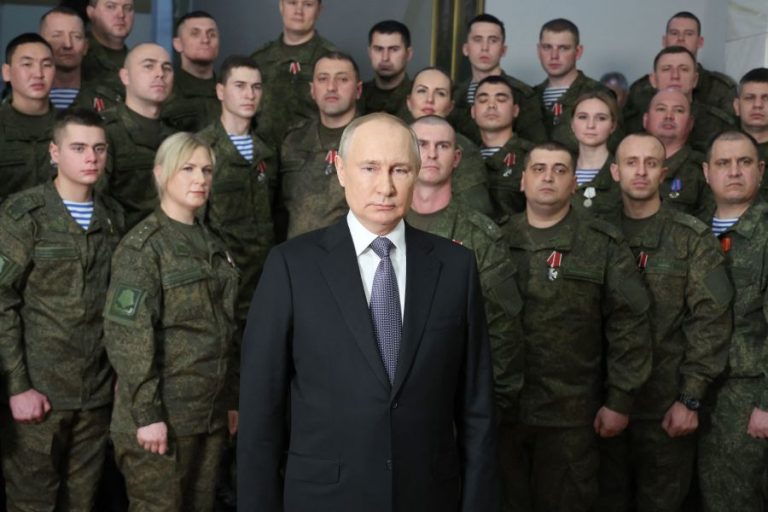
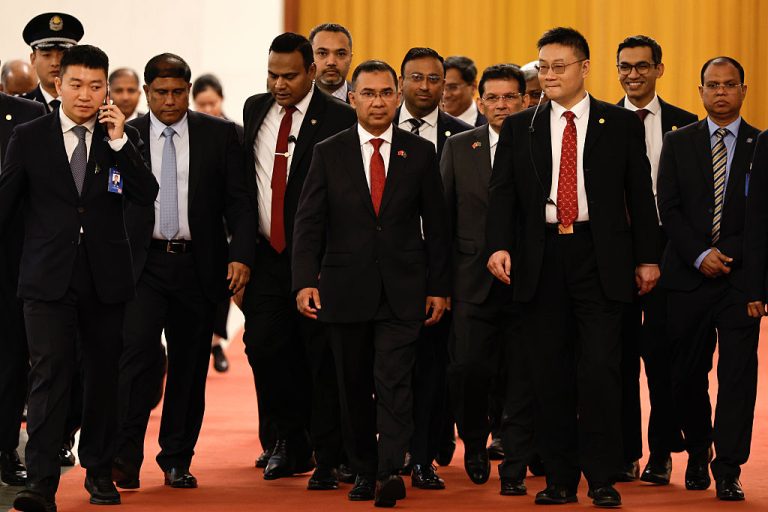
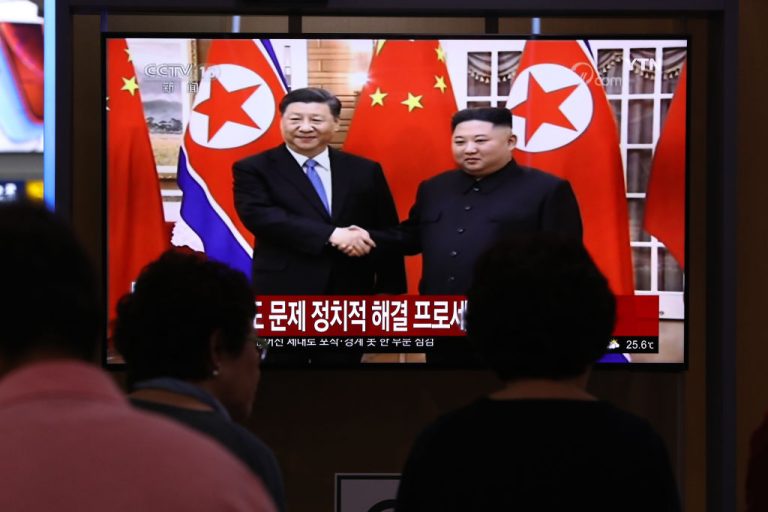
Beijing condemned the airstrikes. In recent years, Chinese leader Xi Jinping has strengthened ties with Tehran, viewing Iran as a partner in counterbalancing U.S. influence.
Online reaction in China
Success
You are now signed up for our newsletter
Success
Check your email to complete sign up
Despite Beijing’s official position, comment sections under CCTV’s posts diverged sharply. Some users posted celebratory messages. “Congratulations, universal celebration,” one wrote. Another said: “Best wishes to Iranian women compatriots on their liberation.”
Others contrasted Iran’s leadership with its people. “The privileged are crying because they will be held accountable. The people are happy because they are finally free,” one comment read. Another suggested that “90 percent of Iranians must be secretly smiling.”
Some remarks pointed toward China. “After Maduro and Khamenei, who is next?” one user asked. Another wrote: “Hope the United States can also help the Chinese people get rid of the Chinese Communist Party.” A widely shared comment argued that while many Iranians may have wanted Khamenei to step down, they lacked a mechanism to compel change.
U.S.-based commentator Fang Wei wrote on X that recent U.S. moves involving Venezuela and Iran were connected to the Chinese Communist Party. He noted that the two countries account for roughly 20 percent of China’s oil imports and argued that disruptions could raise China’s energy costs.
Another X user, Li Chengpeng, listed Khamenei’s record since June 4, 1989, citing the suppression of the 2009 “Green Movement,” arrests of protesters, media restrictions, and the Revolutionary Guard’s regional activities. Several Chinese users noted that June 4, 1989, is also the date of the Tiananmen crackdown in Beijing, referencing the shorthand “8964.” One wrote: “One of the two nightmares that began that day has ended.”
Naval drill without China
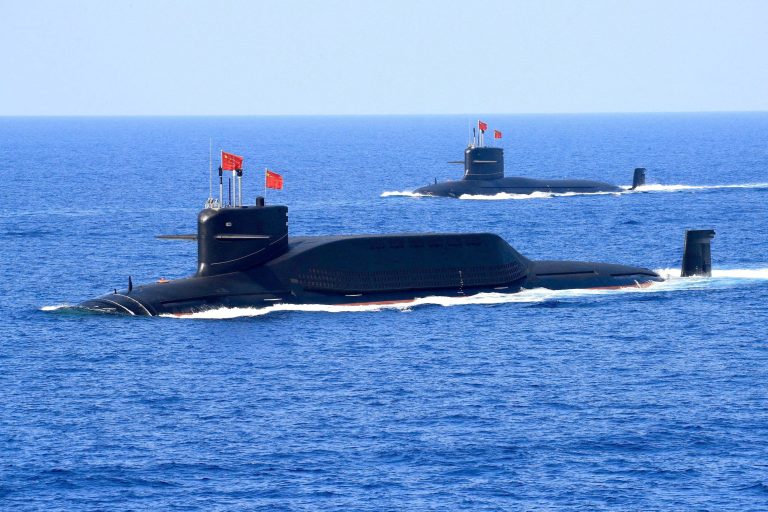
Since 2019, China, Russia, and Iran have held annual naval exercises under the name “Maritime Security Belt,” usually in the northern Indian Ocean and the Strait of Hormuz. This year’s drill was expected to proceed as “Maritime Security Belt 2026.”
In mid-February, as President Trump issued what he described as a final ultimatum to Iran and two U.S. carrier strike groups moved toward the Arabian Sea, Russian official Nikolai Patrushev said the exercise would soon take place.
China’s 48th escort task force was operating in the Gulf of Aden, within sailing distance of the expected exercise area. Iranian units had assembled, and Russia’s Baltic Fleet frigate Rezky was reported to be in position.
When the exercise began on Feb. 19, however, no Chinese vessels were observed. Agence France-Presse and Radio Free Asia later reported that Beijing appeared not to have participated. On Feb. 20, Xinhua covered the event under the headline “Iran and Russia Naval Joint Maritime Exercise Concludes,” without mentioning China. Chinese authorities have not publicly explained the navy’s absence.
By Li Deyan