As the United States continues to increase pressure on Cuba, Cuban President Miguel Díaz-Canel confirmed on Friday, March 13 that the Cuban government has established contact with the United States and held talks.
Speaking at a meeting broadcast on state television, Díaz-Canel said Cuban officials had “recently held discussions with representatives of the U.S. government.” He said the dialogue aims to find ways to resolve differences between the two countries but did not provide further details.
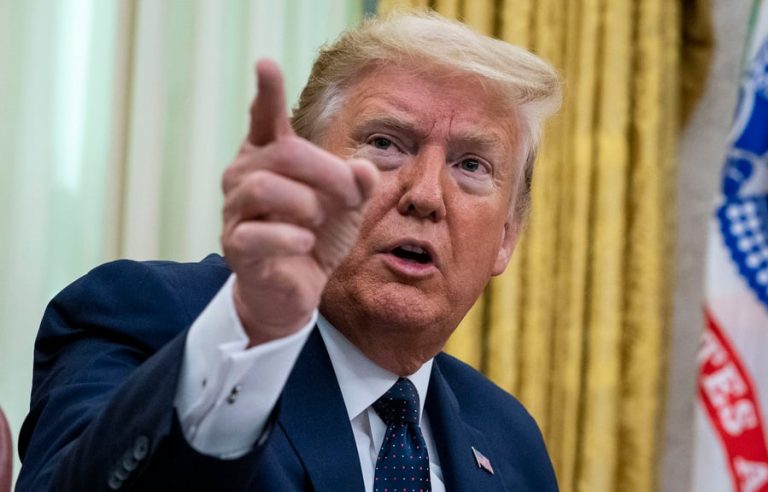
The announcement also confirmed earlier remarks by U.S. President Donald Trump regarding the negotiations. Trump previously said the United States was in contact with Cuba’s “highest levels” and hoped the two sides could reach an agreement.

Oil pressure intensifies Cuba crisis
In January this year, the U.S. government began implementing stronger energy pressure measures on Cuba. Washington warned it could impose tariffs on countries supplying oil to Cuba, effectively creating a de facto oil blockade against the Caribbean nation.
Cuba has long relied on its ally Venezuela for subsidized oil supplies. As the United States has taken action against Venezuela and disrupted related energy flows, Cuba’s fuel shortages have rapidly worsened. Power generation and transportation systems have been affected, further deepening the country’s economic crisis.
Success
You are now signed up for our newsletter
Success
Check your email to complete sign up
Trump had previously stated that after addressing the Iran issue and overthrowing Venezuelan President Nicolás Maduro’s government, Cuba would become the next focus of U.S. attention. He predicted that the Cuban regime “will collapse soon” and said Cuba is “very eager to reach an agreement.”
Taiwan’s Liberty Times, citing U.S. media reports, said that Raúl Guillermo Rodríguez Castro, the grandson of former Cuban leader Raúl Castro, has reportedly held several weeks of secret talks with U.S. Secretary of State Marco Rubio. Rubio himself is a Cuban American.
The reports have not been officially confirmed, but they have drawn attention amid heightened tensions in U.S.–Cuba relations.

Cuba announces release of 51 prisoners
According to the Associated Press, shortly after confirming contact with the United States, Cuba’s Foreign Ministry announced Thursday evening that the government would release 51 prisoners in the coming days. Officials said the move was made as a gesture of goodwill toward the Vatican, reflecting the longstanding close relationship between the two sides.
The Cuban government did not release the names of those to be freed, saying only that they had served long sentences and demonstrated good behavior in prison.
Data show that since 2010, Cuba has pardoned 9,905 prisoners. In the past three years, another approximately 10,000 inmates have been released.
In January 2025, following contact with the Vatican, Cuba agreed to gradually release more than 500 prisoners, including well-known dissident José Daniel Ferrer. Ferrer later left Cuba and now resides in the United States.
It remains unclear whether any of the 51 prisoners scheduled for release are political detainees. The nonprofit group Prisoners Defenders said that as of February 2026, Cuba still held about 1,214 political prisoners.
By Gao Yun