By Tian Qing, Vision Times
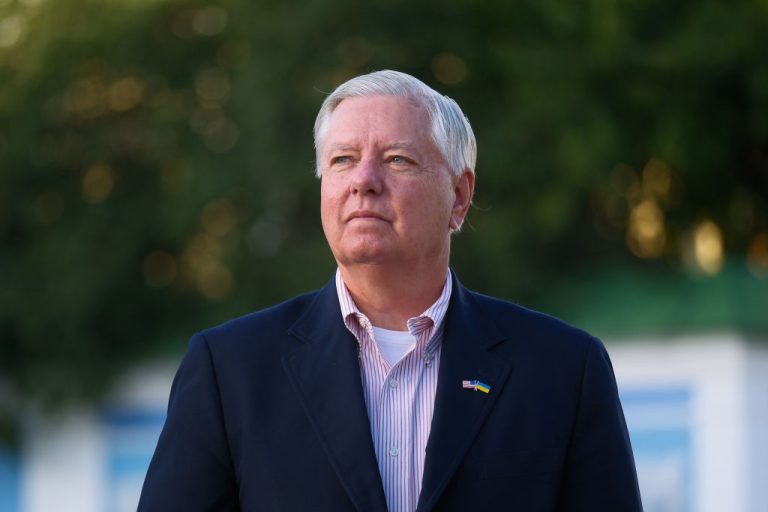
Joe Kent, the director of the U.S. National Counterterrorism Center, resigned on Tuesday, March 17, over his opposition to the military campaign against Iran. Kent, a former Republican congressional candidate who ran in 2022 and 2024 as a “Make America Great Again” ally, is the first Trump administration official to leave over the U.S.-Israeli strikes on Iran.
President Trump responded to the news within hours, calling Kent a “nice guy” but weak on security and saying the administration was better off without him.
In a resignation letter addressed to the president and the Director of National Intelligence, Kent wrote, “I cannot in good conscience support the ongoing war in Iran. Iran posed no imminent threat to our nation, and it is clear that we started this war due to pressure from Israel and its powerful American lobby.”
Kent had twice run for Congress as a Republican. He had supported Trump and the MAGA program, making his public break with the administration over Iran all the more striking.
Success
You are now signed up for our newsletter
Success
Check your email to complete sign up
Since entering politics in 2015, Trump had campaigned partially on a platform of limiting American involvement in foreign wars, making the start of the Iran war a matter of controversy among the president’s support base. A Reuters survey taken immediately after the beginning of hostilities showed that around one in four Americans supported the military action against Iran; a poll about a week later suggested around 40 percent supported the war while 53 percent were against it.
Kent alleges ‘misinformation campaign’ led to war
“Until June of 2025, you understood that the wars in the Middle East were a trap that robbed America of the precious lives of our patriots and depleted the wealth and prosperity of our nation,” Kent wrote. But, he alleged that “high-ranking Israeli officials and influential members of the American media deployed a misinformation campaign that wholly undermined your America First platform and sowed pro-war sentiments to encourage a war with Iran.”
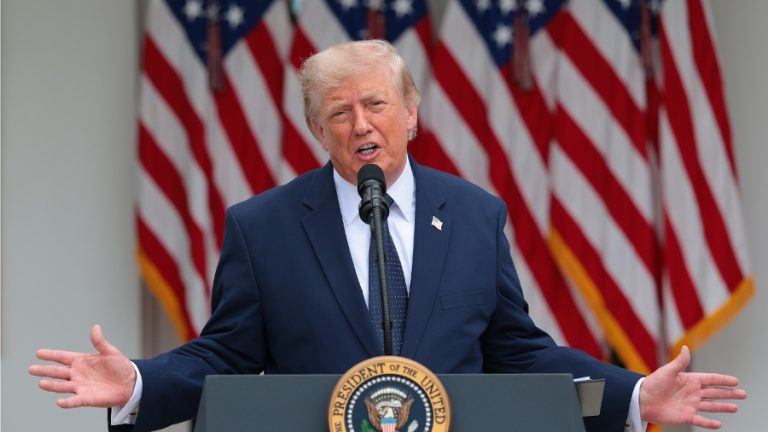
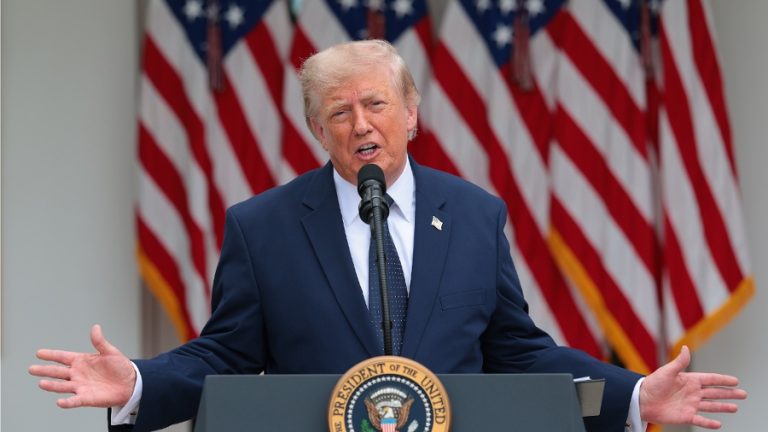
President Trump responded during a White House meeting with Irish Prime Minister Micheál Martin on Tuesday, dismissing Kent’s concerns and reframing his resignation as a net positive.
“I read his statement. I always thought he was a nice guy, but he’s always been very weak on security, very weak,” Trump said. “I didn’t really know him that well, but he seemed like a nice person. After reading his statement, I think it’s right that he left.”
“He says Iran isn’t a threat. Iran is a threat. Almost every country has realized this. The only question is whether they’re willing to act,” the president continued.
Trump tied the strikes to his earlier withdrawal from the Obama-era Iran nuclear deal, claiming that “If I hadn’t terminated that terrible deal Obama signed, there could have been a nuclear war four years ago,” and that “If we don’t act on Iran’s nuclear facilities, a nuclear disaster is still possible.”
He added: “If someone is serving in the government and thinks Iran isn’t a threat, then we don’t need that person.”
Trump administration disputes Kent’s view
White House Press Secretary Karoline Leavitt issued a formal response disputing Kent’s account on multiple points. Leavitt stated that President Trump had received strong evidence, drawn from multiple sources, indicating that Iran was preparing to attack the United States. The president would never deploy military force without thorough deliberation, she said.
The White House further described Iran as the world’s leading state sponsor of terrorism, whose nuclear ambitions and expanding missile capabilities posed a direct danger to the United States. Leavitt also denied Israeli influence over the president, calling such insinuations “absurd.”
House Speaker Mike Johnson, responding to Kent’s resignation, claimed that the former counter-terrorism chief had not been privy to the latest intelligence showing that Iranian uranium enrichment and missile development had reached a dangerous threshold in recent months, and any delay risked mass American casualties.
Johnson suggested Kent had misjudged the situation because he had missed key intelligence briefings. He called the ongoing military operations a necessary measure to protect U.S. national security.
Kent’s resignation is the first public fracture in what the administration had presented as wall-to-wall support for the Iran campaign. Whether other officials share Kent’s skepticism remains to be seen.