
By Wu Zuolai, Vision Times
Chinese Communist Party (CCP) leader Xi Jinping has spent more than a decade pursuing a vision of expansion and geopolitical influence aimed at reshaping the global order both economically and militarily. But mounting challenges, both inside China’s military establishment and across the international stage, suggest that this strategy is facing increasing headwinds, especially as purges within Beijing’s top ranks continue to unsettle the CCP’s command structure.
Encircling Taiwan
According to Reuters, Taiwan’s Ministry of National Defense confirmed that the People’s Liberation Army (PLA) dispatched 26 military aircraft within a 24-hour period, operating intensively around the Taiwan Strait. But why did the harassment flights briefly subsided earlier? Observers suggest the pause was likely intended to create a calmer atmosphere ahead of former U.S. President Donald Trump’s planned visit to China. With that diplomatic moment passed, the PLA quickly resumed its show of force.
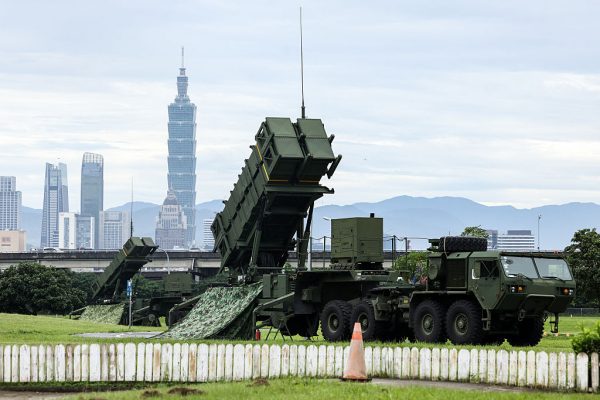
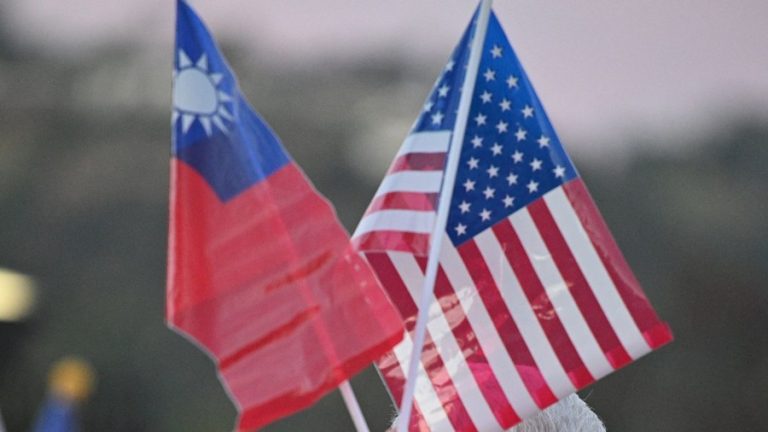
Clues about Beijing’s motives can be seen in a March 14 report by Voice of America. The U.S. State Department publicly welcomed Taiwan’s progress in authorizing its executive branch to sign certain arms procurement Letters of Offer and Acceptance (LOA) with the United States.
Success
You are now signed up for our newsletter
Success
Check your email to complete sign up
The statement urged Taiwan’s political parties to set aside internal disputes and approve a special defense budget as soon as possible to demonstrate the island’s commitment to strengthening its self-defense.
RELATED: Taiwan Analysts Say Economic, Political, and Security Concerns Limit PLA Operations
Taipei on high alert
The message was clear: Washington’s efforts to bolster Taiwan’s military capabilities will continue regardless of diplomatic engagements with Beijing. In this context, Beijing’s renewed air activity appears designed primarily as a warning and perhaps also a performance.
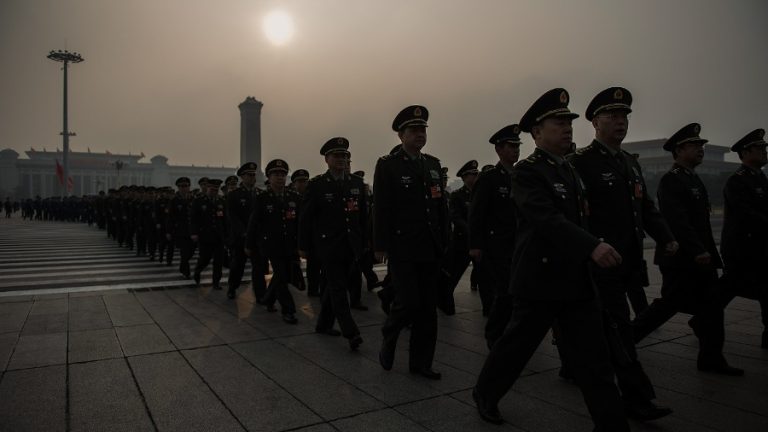
Xi’s Taiwan strategy has been accompanied by sweeping military reforms and extensive purges among top PLA leadership. However, the restructuring is far from complete. Analysts note that the process of consolidating a military leadership fully loyal to Xi remains unfinished.
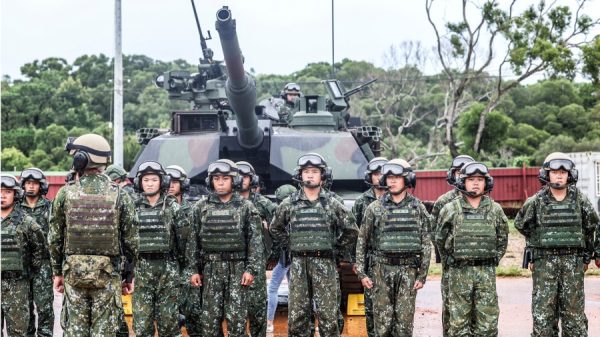
For now, Beijing’s military pressure against Taiwan largely functions as symbolic deterrence rather than preparation for immediate conflict. Even if Xi continues to devote vast national resources to preparing for a potential invasion of Taiwan, broader geopolitical shifts may limit China’s ability to act. Domestically, military reforms remain unsettled, while internationally Beijing’s strategic partners face serious setbacks.
In such circumstances, even a limited regional conflict would likely struggle to attract meaningful international support.
The Trump-Monroe doctrine
In Xi’s strategic thinking, the foundation of American power lies in the global dominance of the U.S. dollar, backed ultimately by military strength. For China’s currency to gain comparable international influence, Beijing believes it must also develop a global military footprint.

Over the past decade, China has pursued a sweeping international strategy through initiatives such as the Belt and Road Initiative (BRI). By investing in ports, energy projects, infrastructure, and political partnerships across Eurasia, the Middle East, Africa, and Latin America, Beijing has attempted to build a worldwide network of economic and strategic influence. This approach effectively challenges the U.S.-led international order that emerged after World War II and the Cold War.
Donald Trump’s response has been assertive. By emphasizing “America First” and reviving elements of the Monroe Doctrine, his administration launched what some commentators call the “Trump-Monroe Doctrine.” Through initiatives spanning the Americas and the Middle East, Washington has sought to reinforce its geopolitical sphere while indirectly undermining Beijing’s global strategy.
Strategic boundaries
One key focus has been the Panama Canal, long considered a vital U.S. strategic corridor connecting the Atlantic and Pacific oceans. Chinese-linked companies previously sought to expand their influence through port operations and logistics investments near the canal.
Under mounting U.S. political and security pressure, however, many of these projects have been curtailed or restructured, limiting Beijing’s ability to establish a foothold that could threaten American strategic interests.
Washington has also intensified maritime patrols and anti-narcotics operations in South American waters. These measures have effectively remilitarized portions of the region, making it far more difficult for China’s port investments to evolve into strategic bases.
Venezuela had been viewed as one of Beijing’s key partners in Latin America, with China extending substantial loans and energy cooperation in hopes of establishing geopolitical leverage against the United States. But political instability and external pressure have undermined this relationship.
Cuba, heavily dependent on Venezuelan economic support, now faces mounting economic crisis of its own, further weakening China’s ideological and strategic partners in the region. Meanwhile, the Arctic has become another arena of competition. The Trump administration placed heightened attention on Greenland, an island of enormous strategic importance due to its position along emerging Arctic shipping routes and its role in North American defense systems.
RELATED: Chinese Radar Institutes Secretly Aided Iran; 3 Technicians Allegedly Killed in US Bombing
China previously attempted to enter the region through mining and infrastructure investments. Washington quickly blocked several key projects and used diplomatic channels to secure control over critical areas, limiting the ability of China or Russia to expand influence there. From the Panama Canal to Venezuela, Cuba, and Greenland, these moves collectively redraw the strategic security boundaries of the Western Hemisphere, effectively closing off potential footholds for China.
The shrinking axis
If the Americas represent the outer edge of China’s strategic ambitions, the Middle East is an even more critical node due to its energy resources. Iran has long been viewed as one of Beijing’s most important partners in the region. China and Iran signed long-term agreements covering energy cooperation and infrastructure investment in hopes of securing influence in the Persian Gulf.

However, escalating conflict involving Iran, Israel, and the United States has dramatically altered the landscape. Severe military and economic damage to Iran, or even potential political change, could drastically reduce Tehran’s ability to serve as a strategic partner for Beijing.
Russia, another key partner, has also been weakened by the prolonged war in Ukraine. Rather than weakening Western alliances as some predicted, the conflict has drained Russian resources and reduced Moscow’s geopolitical strength. China now faces a delicate balancing act: It cannot fully distance itself from Russia, yet gains few clear strategic benefits from the war.
Elsewhere, instability in Pakistan and Afghanistan has raised security risks along the China-Pakistan Economic Corridor, once promoted as the flagship project of the Belt and Road Initiative. The resurgence of militant groups after the Taliban’s return to power has made the corridor increasingly vulnerable.
Slipping out of reach
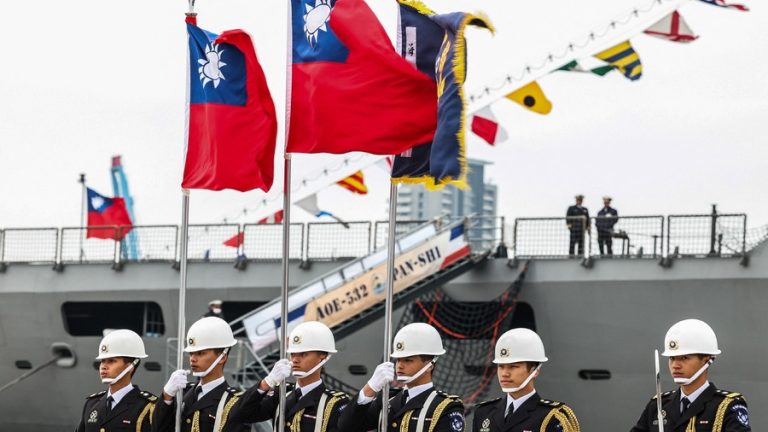
At the same time, Japan has expanded its defense cooperation with the U.S., while Taiwan continues upgrading its defense systems, including unmanned technologies and U.S.-supplied equipment. These developments have significantly increased the potential costs of any future conflict in the Taiwan Strait.
Xi Jinping’s vision of a “once-in-a-century transformation” sought to challenge American dominance through military expansion and global strategic networks centered on China. Yet the reality appears far more complicated. Military reforms remain incomplete, internal confidence within the PLA is uncertain, and pressure against Taiwan increasingly resembles political theater rather than imminent war preparation.
Meanwhile, renewed U.S. strategic initiatives in the Americas, tightening geopolitical constraints in the Middle East, and setbacks among China’s partners have steadily eroded Beijing’s global ambitions.
Editorial note: Views expressed in this article are the opinions of the author and do not necessarily reflect the views of Vision Times.