On Thursday, March 19, seven U.S. allies issued a joint statement expressing support for the possible creation of an international coalition to reopen the Strait of Hormuz and ensure safe passage for commercial ships and oil tankers. However, the statement currently reflects political support rather than a commitment to immediately deploy warships or provide specific military resources.
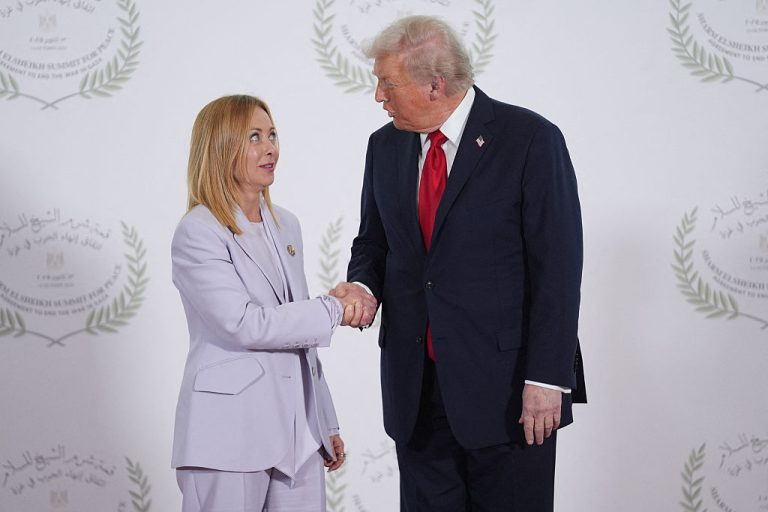
The statement was issued by leaders of the United Kingdom, France, Germany, Italy, Japan, and the Netherlands, with Canada joining later as the seventh signatory. A document from the office of UK Prime Minister Keir Starmer said the countries “strongly condemn” Iran’s attacks on commercial vessels and energy infrastructure in the Gulf and accused Iran of effectively blocking the Strait of Hormuz.
The countries called on Iran to immediately cease laying mines, and launching drone and missile attacks, emphasizing that freedom of navigation is a key principle of international law. The New York Post noted that this narrow waterway connecting the Persian Gulf to the open sea carries about one-fifth of global oil shipments, and prolonged disruption could impact global energy supplies.
The countries also expressed willingness to participate in “appropriate actions to ensure safe passage through the Strait” and supported initiating related preparatory planning work.

Strait crisis becomes a key point in the conflict
An Axios analysis noted that the blockade of the Strait of Hormuz has become one of the core crises facing the White House. If Iran’s blockade continues and Gulf oil transport is disrupted, U.S. President Donald Trump would find it difficult to declare victory even if he wanted to end the conflict.
Success
You are now signed up for our newsletter
Success
Check your email to complete sign up
To break the deadlock, the U.S. government has taken military action, including airstrikes on Iranian anti-ship positions along the Strait to weaken its ability to attack oil tankers, while also pursuing diplomatic channels to establish a multi-nation escort or security coalition.
However, Trump previously stated on his social platform Truth Social that most NATO members are unwilling to intervene directly. He wrote: “We don’t need anyone’s help,” while also emphasizing that the U.S. will remember which countries did not participate.
Axios reported that the UK had recently pushed Western countries to at least issue a political support statement to show unified resolve. NATO Secretary-General Mark Rutte also participated in this coordination process.
But Europe was not initially in agreement. German Chancellor Friedrich Merz was cautious about the plan, while French President Emmanuel Macron initially opposed forming any military coalition unless it was part of a post-conflict agreement with Iran.
Sources said that after Rutte and Starmer spoke with Macron earlier on Thursday, France ultimately agreed to support a political statement, though specific military actions were left for later discussion. Japanese Prime Minister Sanae Takaichi joined the statement at the last moment and planned to visit the White House that day to meet Trump.

Practical question: Ship deployment still uncertain
Despite signing the statement, France, Germany, Italy, and Japan have previously indicated that they would not send warships to the Strait of Hormuz during the conflict. Whether the joint statement will translate into actual military involvement remains unclear.
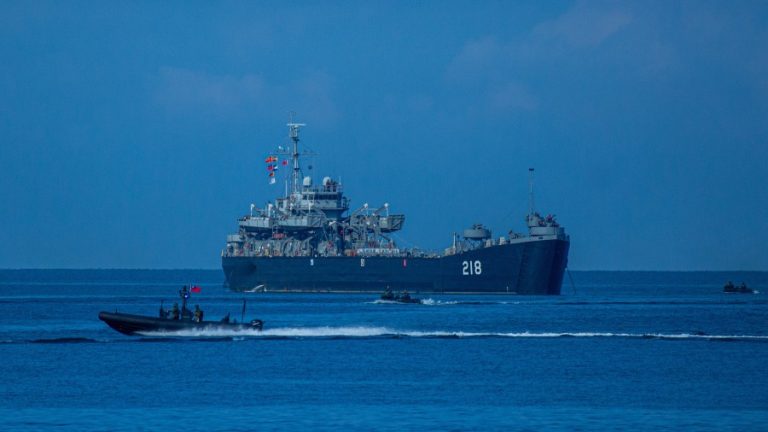
Meanwhile, the UK has begun more concrete preparations. Sources said Britain has sent officers to the U.S. Central Command in Tampa, Florida, to participate in planning and has deployed two warships to the region in preparation for potential joint operations.
The New York Post reported that the escalation in the Middle East has already started affecting energy markets. U.S. average gasoline prices rose nearly $1 per gallon in a month, reaching $3.88 per gallon. To stabilize the market, Trump has ordered the release of 172 million barrels of crude oil from the U.S. Strategic Petroleum Reserve, the largest release in U.S. history.
Leaders of multiple countries also stated in the joint declaration that they will support stabilizing the global energy market, including coordinating releases from strategic petroleum reserves, urging oil-producing countries to increase output, and helping the countries most affected through the United Nations and international financial institutions.