By Cai Siyun, Vision Times
On March 21, Chinese authorities announced the arrest of a suspected child trafficker known as “Mei Yi,” who had been on the run for nearly two decades in connection with the kidnapping of nine boys in southern China. However, the announcement quickly triggered widespread skepticism online, with many netizens questioning why police have not released a photograph of the suspect, while raising broader concerns about the large number of unresolved missing-children cases across the country.
According to Chinese media outlets including The Paper and Southern Daily, nine boys were abducted between September 2003 and December 2005 in cities including Guangzhou and Huizhou in Guangdong Province. The case shocked the nation and remained unsolved for years.
In 2016, police arrested five suspects, including Zhang Weiping, who confessed to trafficking the children. Zhang revealed that the children had been sold through a key intermediary known as “Mei Yi.”
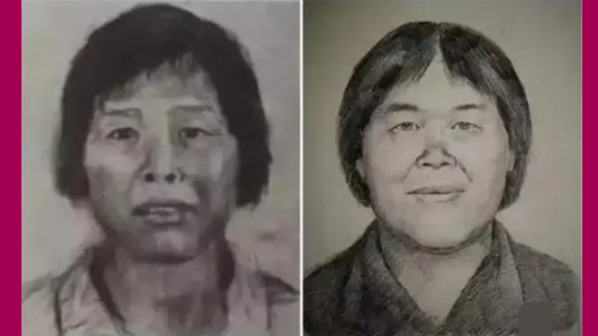
Authorities released a sketch of the suspect in 2017 and offered a reward for information leading to her capture. At the request of the victims’ families, a second sketch was issued in 2019, though the two drawings differed significantly. According to sources familiar with the investigation, the woman recently arrested reportedly bears less than 30 percent resemblance to the earlier sketches.
Success
You are now signed up for our newsletter
Success
Check your email to complete sign up
RELATED: Surge in Missing Children Cases in China Fuels Concerns of Organ Harvesting
Meanwhile, efforts by investigators and families eventually led to the recovery of all nine abducted children between 2019 and 2024, allowing them to reunite with their families. In April 2023, Zhang Weiping and other principal offenders were executed. However, the alleged central figure in the trafficking network, “Mei Yi,” remained at large until recently. Authorities say they identified a woman surnamed Xie last year whose physical characteristics closely matched those attributed to the suspect.
After further investigation, police confirmed that she was the person known as “Mei Yi” and arrested her earlier this month. According to official statements, the woman confessed to her involvement in the child trafficking crimes during interrogation.
No photograph released
Despite the announcement of her arrest, authorities have not released a photograph of the suspect. Chinese state broadcaster CCTV News reported that the arrest could help resolve questions surrounding the long-running case. However, when asked what “Mei Yi” actually looks like, police told reporters that images circulating online are inaccurate. “The photos currently circulating online claiming to show ‘Mei Yi’ are not of the suspect,” police said.
Authorities added that because the case is still under investigation, they will not release her photograph at this stage. The decision has fueled a slew of heated online comments, with some questioning why a suspect who has allegedly been identified and arrested is still being represented only by a sketch.
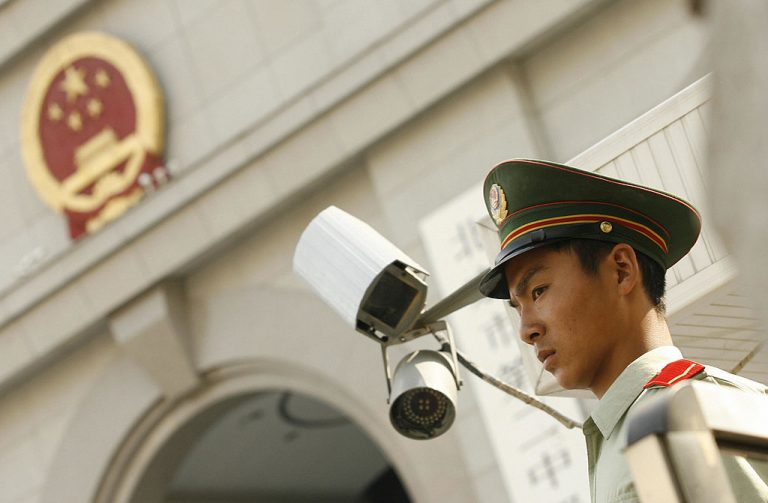
“Now that she’s been arrested, why are we still seeing only drawings?” one user wrote. Others questioned how the suspect managed to evade authorities for nearly two decades in an era of widespread surveillance. “During the pandemic authorities were able to track almost anyone,” another user commented. “How could someone remain hidden for so many years when there are cameras everywhere?”
Missing individuals on the rise
The case has also renewed discussion about the broader issue of missing persons in China. According to the 2020 White Paper on Missing Persons in China, jointly released by the Zhongmin Social Assistance Institute and the “Toutiao Missing Persons” project, approximately one million people were reported missing in 2020 alone, averaging 2,739 cases per day.
RELATED: China’s Missing Children: Xincai Student Death, School Blood Tests, and Organ Harvesting Allegations
Although that figure appears lower than the 3.94 million cases recorded in 2016 and 2.6 million in 2017, observers say the real number of disappearances may be significantly higher. Some families report difficulties in filing police cases, which they believe affects official statistics. In recent years, reports of missing children and teenagers have periodically sparked public concern.
For example, a 19-year-old tourist surnamed Chen disappeared in Luoyang in December 2025. Surveillance footage reportedly showed him leaving a park, after which he vanished. His body was found a month later in the Luo River. Police ruled the death a drowning and said no criminal activity was involved, though online users questioned the conclusion.
Fears of organ harvesting
Other cases have drawn similar attention. In January 2026, several disappearances involving teenagers and children were reported across different provinces, including Henan, Shandong, Sichuan, Guizhou, Liaoning, and Anhui. One case in Henan involved a 13-year-old boy who disappeared while walking to school and was later found dead near his home.
These incidents have contributed to public anxiety about child safety and the handling of missing-person investigations. China’s controversial organ transplant system has also fueled concerns that some of these missing individuals, including children, may have been targeted and killed for their organs.
Against this backdrop, the arrest of the alleged trafficker “Mei Yi” quickly became a trending topic online. While some welcomed the breakthrough in a long-unsolved case, others questioned whether the announcement fully addressed the deeper concerns surrounding child trafficking and missing persons.
The absence of a verified photograph of the suspect has further fueled speculation. Observers say that the case reflects broader public unease about transparency in criminal investigations and the need for greater clarity regarding the fate of missing children.