
Marking the 30th anniversary of Taiwan’s first direct presidential election, bipartisan members of the U.S. Congress recently issued statements and proposals collectively affirming Taiwan’s democratic achievements, and reiterated their continued support for Taiwan’s security and international participation, highlighting the importance of U.S.-Taiwan relations within the Indo-Pacific strategy.
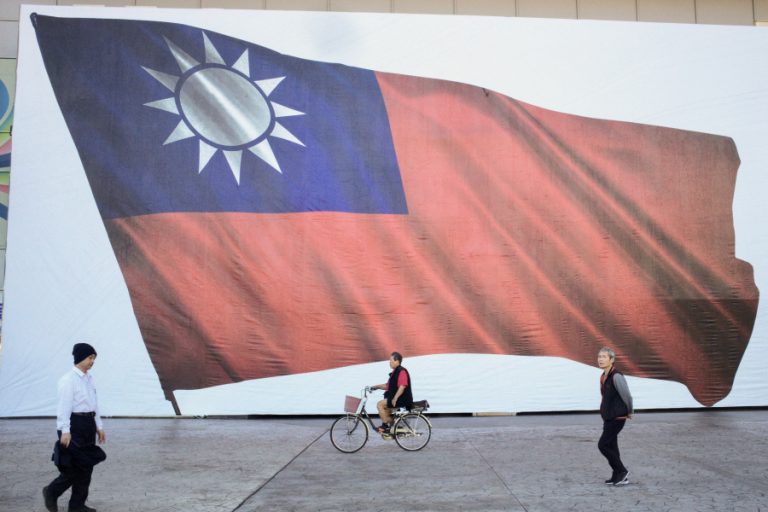
On March 23, 1996, Taiwan held its first direct presidential election. Despite political and military intimidation from the Chinese Communist Party, including missile tests around the Taiwan Strait, the election was successfully conducted and is regarded as a major milestone in Taiwan’s democratization. Over the past 30 years, Taiwan has experienced multiple changes of government and established a mature and resilient democratic system.
On this 30th anniversary, members of the U.S. Senate from both the Democratic and Republican parties jointly introduced a resolution praising Taiwan’s democratic development, reaffirming the United States’ commitments to Taiwan under the Taiwan Relations Act and the “Six Assurances.” The proposing lawmakers noted that Taiwan’s transition from authoritarian rule to a free society demonstrates the value and durability of democratic governance. They emphasized that, amid ongoing Chinese pressure on Taiwan, support for Taiwan’s democratic system is especially important.

Bipartisan support from senior US lawmakers
Democratic Senator Tammy Duckworth stated: “The United States will continue to support Taiwan’s prosperous development, and we oppose any unilateral aggression by the People’s Republic of China that threatens democratic allies or the stability of the global economy.”
Republican Senator John Curtis said he had lived in Taiwan and personally witnessed Taiwanese society striving for greater freedom. Taiwan’s democratic journey reminds the world that, through nurturing and protection, democracy can provide liberty and opportunity for generations.
Success
You are now signed up for our newsletter
Success
Check your email to complete sign up
Senator Tim Kaine added: “I am honored to join my colleagues in introducing this bipartisan resolution to commemorate the 30th anniversary of Taiwan’s democratic presidential election. With China continuing its aggressive actions toward Taipei, we must once again reaffirm our commitment to defending Taiwan’s democratic system.”
In addition to the proposing lawmakers, several high-profile members of Congress signed on or voiced support, including former Senate Republican leader Mitch McConnell, Republican Congressman Mario Diaz-Balart, Democratic lead of the House Foreign Affairs Committee’s Indo-Pacific subgroup Ami Bera, and Senate Foreign Relations Committee Chairman Republican Senator Jim Risch, demonstrating strong bipartisan consensus.
Analysts note that Congress’s intensive statements on the 30th anniversary not only symbolize high recognition of Taiwan’s democracy but also reflect Taiwan’s status as a key strategic partner in the free democratic camp amid U.S.-China competition and regional security concerns.

Taiwan Ministry of Foreign Affairs: Highlights international support, calls for regional stability
Taiwan’s Ministry of Foreign Affairs welcomed and expressed gratitude for the recognition. Foreign Minister Lin Chia-lung noted that Congress’s concrete actions in support of Taiwan’s democracy are “highly meaningful.”
The ministry emphasized that this year marks an important milestone for Taiwan’s democracy and pledged to continue deepening partnerships with the U.S. and like-minded countries to jointly safeguard peace and stability in the Indo-Pacific region.
Officials also pointed out that, while Taiwan has steadily advanced on the path of democracy and freedom over the past 30 years, regional security challenges persist. The government called on the international community to pay attention to developments in the Taiwan Strait and support a rules-based international order.
Additionally, Taiwan again urged Beijing to acknowledge Taiwan’s existence and improve cross-strait relations through equal and rational dialogue, avoiding escalations that heighten regional tensions.