In Pine Bush, New York, Jillian Eisloeffel’s home is filled with love, resilience—and challenges most families never see.
“I have a son that has profound autism and he is nonverbal,” she said. “He relies on me for safety… for life skills such as going to the bathroom, being fed, getting dressed, washing.”
Her son, Bob, now 11, requires constant care. Alongside him, Jillian and her husband are raising their 12-year-old daughter and remain connected to two older stepchildren—one of whom is also on the autism spectrum, though “very high functioning.”
Jillian’s life today is not only about caregiving—it is also about advocacy. Through her platform Bobby’s World and her work with a national nonprofit, she has turned her family’s experience into a mission.
“Our goal is to be a nationwide movement… advocating for profound autism for the parents,” she said. “We are helping families find resources… helping them not feel so isolated, to not feel alone.”
Success
You are now signed up for our newsletter
Success
Check your email to complete sign up
Early signs of autism and a difficult beginning
Bob’s journey began with trauma and uncertainty.
“From the moment I went into labor… everything was traumatic,” Jillian recalled. “Him and I both almost died during childbirth.”
Within his first year, developmental concerns became clear. “The babbling never started… the eating foods with textures never started… he never slept,” she said. “From the night he came home from the hospital, he never slept—for years.”
He was diagnosed with autism at just one year old. “There were no milestones… no eye contact, no responding to his name.”
Although Jillian initially believed, “We got this. It’s going to be okay,” the reality became more difficult over time—especially during the pandemic.
“When COVID hit… we had no support,” she said. “That’s when things got really dark.”
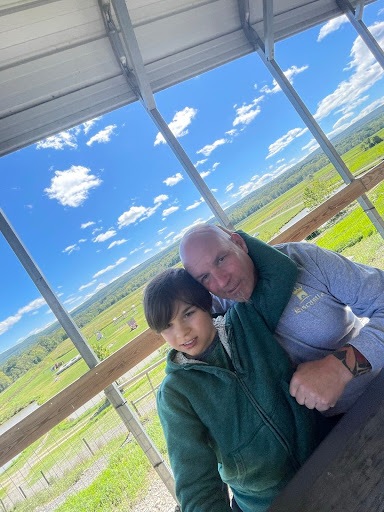
A family impacted in every way
Autism, she emphasizes, affects the entire family. Her daughter, creative and bright, has grown up in a world shaped by her brother’s needs.
“She’s always wanted to play… but they’ve never been able to bike ride together,” Jillian said. “She craves that.”
There are emotional challenges as well. “One of her biggest fears is being out in public… are people going to stare?” she shared. “Her life has been isolating.”
Even nights can be overwhelming. “You’re talking 1:00 a.m., 3:00 a.m.… it can be a war zone,” Jillian said. “And she still has school the next day.”
Daily life: no such thing as ‘typical’
Daily life offers no routine.
“Bob sets the tone for the day,” she explained. “There is no typical day.”
Some days bring hours of distress—“stomping, groaning… lots of chaos”—while others bring joy. “He woke up all giggles… wanted to cuddle… just being a delight.”
“A lot of times he doesn’t feel safe in his own body,” she added. “We have to support his nervous system to feel safe.”
Barriers and the need for support
One of the greatest challenges is the lack of support.
“Not having respite care… not having people come in to give you a break,” she said. “That’s huge.”
Accessing medical care can also be difficult. “There are tests… but they’re outside what insurance will pay for,” she said. “It’s very costly.”
At home, Jillian has created ways to help her son communicate. “I make sure he has access—buttons, images, devices… he is fully capable.”
Her mission is simple: “I’m not looking to sell you anything… I’m looking to help you… so you’re not in this journey alone.”
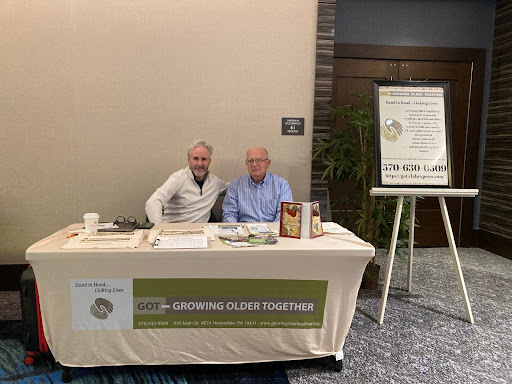
Creating safer environments
That same spirit of support is shared by Certified Water Analyst Lucia Molina, who participated in this first Caregiver Collective story.
“My mission is to educate the community… showing families exactly what’s in their water,” she said. “Once people understand the problem, they can make informed decisions to protect their health.”
For families with neurodiverse children, she emphasized the importance of a safe environment.
“When you have heavy metals in the water, it could affect their bodies,” she explained. “It’s very important for families to have clean water.”
“This is not just about selling a system,” she added. “It’s about educating families, raising awareness, and protecting the health of our children.”
Strength, purpose, and hope
For Jillian, the driving force behind everything is her son’s future.
“What keeps me strong is… what’s going to happen when I’m no longer here?” she said. “Who’s going to know what he needs?”
“I need to know that I left him in a safer world… a world that understands him.” To other parents beginning this journey, her advice is clear: “Build your support team… nobody’s going to come knock on your door—you have to search for it.”
And to the broader community: “Don’t be so fast to judge… ask questions… we’re doing the best that we can.”
Jillian’s story is one of strength, advocacy, and unwavering love. By sharing it, she hopes others will feel less alone—and more empowered to find support and build community.
As she puts it simply: “We’re here. Help is coming.”
Contact Bobby’s World Advocacy: [email protected]