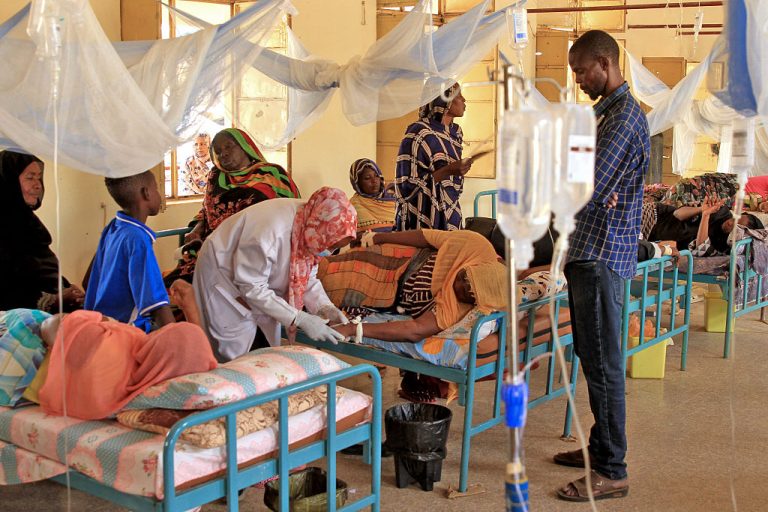
Three years into the civil war between Sudan’s government and paramilitary forces, civilians trapped in the crossfire are fighting a darker battle: surviving with little to no medical care.
According to Al Jazeera, the war between the Sudanese Armed Forces (SAF) and the Rapid Support Forces (RSF) has seen production of pharmaceutical goods halted and supply chains disrupted across Sudan.
A World Health Organization (WHO) news release published on April 14 stated that Sudan is suffering a humanitarian crisis—out of 34 million people desperately requiring aid, a staggering 21 million lack access to basic healthcare.
As such, smuggling networks have risen to fill the void, forcing civilians to risk buying unregulated drugs — also known as “Boko” medicines. Among these supplies are intravenous malaria medications from outside the country.
These medicines often bypass proper temperature and quality controls and are frequently stored and refrigerated incorrectly. This can cause them to degrade, making them ineffective or potentially dangerous to patients.
Success
You are now signed up for our newsletter
Success
Check your email to complete sign up
The sick not only face a lack of proper medical supplies, but also high costs and deadly conditions with smuggled medicines.
“Most malaria medicines are now brought in through smuggling,” Mutawakil Hamza, a local pharmacist in the city of Omdurman — located in the state of Khartoum — told Al Jazeera. “These are ultimately injections for intravenous use, and this is highly dangerous to a patient’s health.”
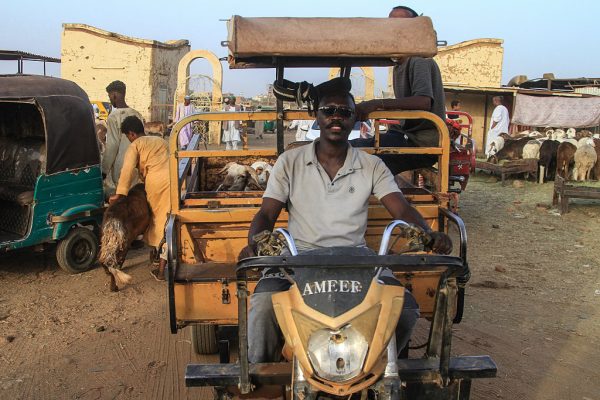
Production halted
Before the war, local production of medical supplies yielded “very large quantities of life-saving medicines, including drugs for blood pressure, diabetes, colds, and paediatric care,” pharmaceutical industry expert Yasser Ahmed Youssef told Al Jazeera.
However, production lines have been shut down. A January 2026 WHO Public Health Situation Analysis—citing October 2025 data from the Health Resources and Services Availability Monitoring System (HeRAMS)—found that 40 percent of health facilities across the country are currently completely out of service.
Worse still, 87 percent of facilities in Khartoum and 85 percent in the contested North Kordofan region have been closed down. Shortages are also reported in other combat-heavy zones including Gezira, Khartoum, Darfur and the Kordofan regions.
In the besieged city of El-Fasher, the only functioning maternity hospital is facing critical shortages and the risk of imminent closure, according to an August 2025 emergency report from the United Nations Population Fund (UNFPA).
The National Medical Supplies Fund, a public sector body, claims it continues to procure essential medicines despite ongoing fighting and damaged infrastructure, reporting 75 percent availability of cancer and kidney treatments.
International transits of medical aid are also slow. A WHO situation analysis on Jan. 6 reported that medical supplies could take up to 90 days to reach isolated areas via Chad. Armed groups have also attacked the infrastructure, looting pharmacies and hospitals for their own usage.
READ MORE:
- Oil Markets on Edge as Analysts Warn of Possible Global ‘Scramble for Crude’
- Iran Secretly Acquired Chinese Satellite Equipment Via UAE Network: Report
- New Iranian Missile Strike Reported on US Base in Kuwait, Several Personnel Injured
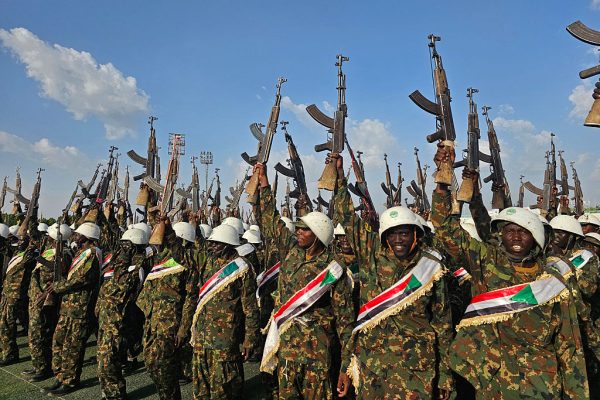
War-torn society
Sudan has experienced extensive destruction over the past three years.
According to The Guardian, on March 6, in the state of East Darfur, a drone attack on Al-Daein Teaching Hospital killed around 64 people and injured 89 more. The Sudanese rights group, the Emergency Lawyers, claimed that the army was responsible.
Another drone attack on April 2 killed 10 staff members at Al-Jabalain Hospital in White Nile state, including the hospital’s director, the Associated Press reported.
The Family Hospital in El-Daein and another facility in Kurmuk, Blue Nile State, were reportedly looted and severely damaged, with patients and medical staff forced out as equipment was destroyed. Multiple reports attribute both incidents to RSF forces.
Amidst the fighting, the United Nations’ (UN) World Food Programme (WFP), the Food and Agriculture Organization (FAO) and UN Children’s Fund (UNICEF) all warned that nearly 20 million people in Sudan are facing a hunger crisis, with more than 800,000 children at risk of severe malnutrition in 2026.
“Children suffering from severe acute malnutrition arrive at overstretched facilities too weak to cry,” UNICEF Executive Director Catherine Russell said in a press release.
Local leaders and unpaid volunteers are risking their lives to help those in need, with some forming Emergency Response Rooms to operate amid the chaos, The Conversation reported.
However, because they are not formally recognized as “humanitarian” actors under international systems, they lack legal protection under international law from military targeting.