According to a June 6 report by Radio Free Europe/Radio Liberty, Ukraine launched a new wave of large-scale drone attacks inside Russia while the country’s most important economic event, the Saint Petersburg International Economic Forum (SPIEF), was underway. At the same time, diplomatic tensions over ceasefire negotiations continued to intensify. Russian President Vladimir Putin publicly stated that there is currently no reason to hold a face-to-face meeting with Ukrainian President Volodymyr Zelenskyy, further dimming hopes for near-term peace talks.
Ukrainian drones strike Russian economic hub again
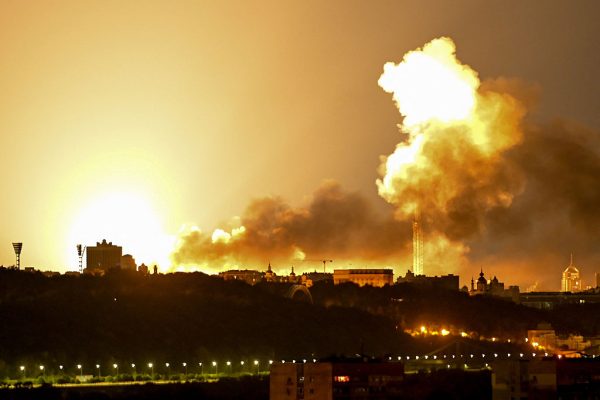
According to Russian officials, Ukraine launched at least 376 drones against more than a dozen Russian regions on June 6, including a major attack targeting Saint Petersburg and surrounding areas.
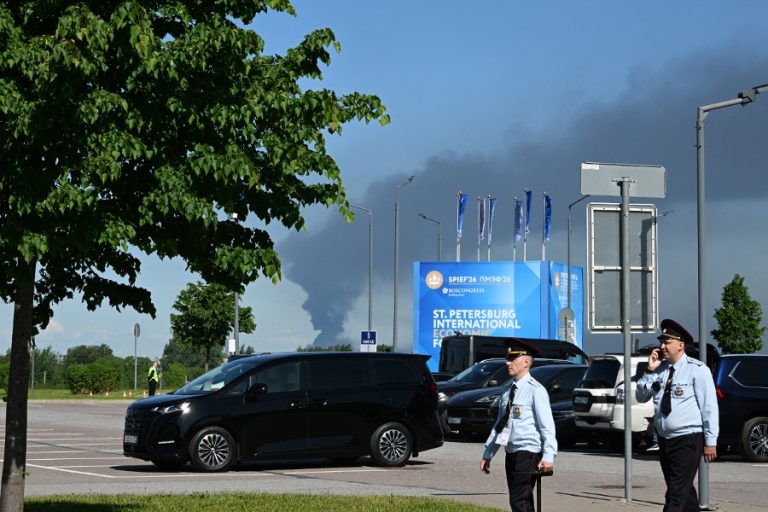
The strikes occurred on the final day of the Saint Petersburg International Economic Forum. Often described as “Russia’s version of the Davos Forum,” the event serves as a key platform for Moscow to showcase its economy and attract investment.
As a result of the attacks, authorities in Saint Petersburg temporarily advised some residents to remain indoors and suspended portions of the public transportation system. Russia’s Defense Ministry said most of the drones were intercepted or shot down, although an area west of Saint Petersburg was placed under lockdown after a drone reportedly struck a military facility.
President Zelenskyy later acknowledged responsibility for the operation, saying Ukrainian forces targeted Russian military bases and naval facilities on Kronstadt Island.
Success
You are now signed up for our newsletter
Success
Check your email to complete sign up
In a post on X, Zelenskyy wrote:
“It is time to end this war. But Russia’s ruler wants to keep fighting. That is why Ukrainian sanctions against this aggression are working.”
This was the second Ukrainian drone strike during the forum. On the opening day, Ukrainian drones targeted a local oil facility and military base, sending large plumes of smoke into the air. Analysts believe the attacks were intended not only to weaken Russian logistics capabilities but also to demonstrate to international investors that Ukraine can penetrate Russia’s air defense systems.
Energy infrastructure remains a key target
In recent years, Russia’s energy infrastructure has become a primary target of Ukrainian attacks.
During the latest strike, a fuel storage facility in Russia’s southern Krasnodar region caught fire after being hit by a drone. Russian officials confirmed the incident.
According to Radio Free Europe/Radio Liberty, Ukraine has increasingly targeted Russian refineries, fuel depots, and energy transportation networks in an effort to reduce Russia’s oil export revenues and limit its fuel production capacity.
Meanwhile, several Russian regions have recently experienced gasoline shortages. While part of the problem is linked to increased summer demand, repeated attacks on energy infrastructure are also believed to be contributing to market pressures.
Some economists argue that Russia’s economy is facing mounting costs from both Western sanctions and damage to energy facilities. These pressures, they say, are beginning to influence how parts of Russia’s business community and political elite view the war’s future.
Putin rejects proposal for face-to-face talks
As military tensions escalated, diplomatic disputes over peace negotiations continued.
According to Reuters, Zelenskyy recently sent letters to several countries, including the United States, proposing direct talks with Putin to discuss ending the war, now entering its fifth year.
In the letter, Zelenskyy argued that ongoing drone and missile attacks, high inflation, and fuel shortages have left many Russians weary of the conflict. He also suggested that a prolonged war could eventually threaten Putin’s political standing.
Putin responded during the Saint Petersburg forum, saying the letter did not appear to be a sincere invitation to negotiate.
“The letter contains some rather boorish language,” Putin said. “Is this intended to create conditions for a face-to-face meeting, or to prevent such a meeting? I believe it is the latter.”
Asked whether he would meet with Zelenskyy, Putin made his position clear.
“I do not see any point in such a meeting right now. The only objective for the Ukrainian side is to stop the advance of our forces. What we need is not some temporary arrangement for three or six months, but a long-term agreement. First, let the experts work out solutions, and only then should the leaders meet.”
In an evening video address, Zelenskyy responded by saying Putin’s remarks demonstrated that Russia has no genuine interest in ending the war.
“Unfortunately, the Russian side once again chooses war – everyone heard the response today. A weak response. He simply does not want to end the war. I think many around the world were disappointed by that response.”
Both sides maintain hardline positions
Despite several ceasefire proposals put forward by U.S. President Donald Trump, neither Russia nor Ukraine has shown significant willingness to compromise on key issues.
In previous remarks to international media, Putin said Russian forces continue to make gains on the battlefield and suggested that U.S.-backed peace proposals could serve as a basis for ending the conflict if Ukraine is willing to make concessions.
Ukraine, however, maintains that it will not withdraw from areas of the Donbas region currently under its control and will not recognize Russian sovereignty over occupied Ukrainian territory.
At the same time, according to Reuters, Russia launched hundreds of drones and dozens of missiles against Kyiv and other Ukrainian cities this week, killing dozens of people. Ukraine has responded by expanding its long-range strikes against targets inside Russia.
After five years of war, both countries have paid a heavy price. Russia possesses significant advantages in population and resources, and currently controls roughly one-fifth of Ukraine’s sovereign territory.