The U.S. and Iran have officially signed a preliminary agreement to end months of escalating conflict, marking a potentially significant turning point in one of the Middle East’s most volatile confrontations.
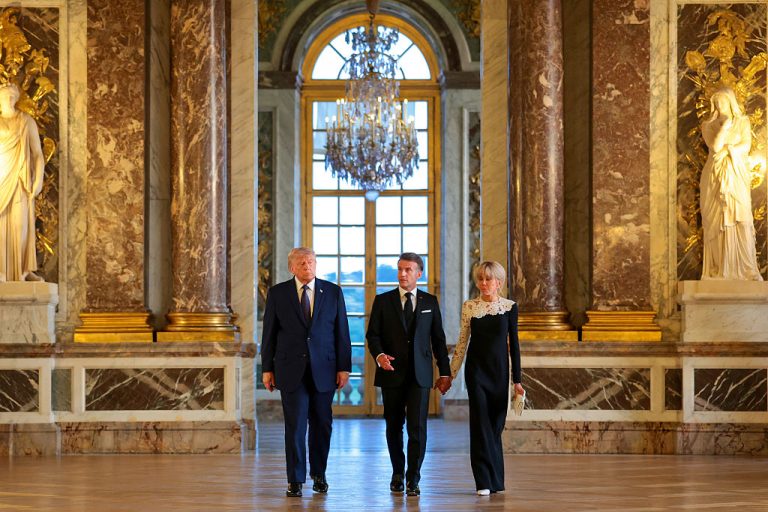
The memorandum of understanding (MOU) was signed by U.S. President Donald Trump on June 18 during a meeting with French President Emmanuel Macron in Versailles, France. The historic venue was chosen for its symbolic significance as the site of major international peace negotiations, including the treaty that formally ended World War I. Trump was in France for meetings with Group of Seven (G7) leaders in nearby Evian.
Both the White House and Iranian state media confirmed the agreement, which establishes a 60-day period for negotiations toward a comprehensive and legally binding peace settlement. Under the terms of the preliminary accord, both sides agreed to immediately suspend military operations. The agreement also calls for a halt of military activity from Israeli forces in neighboring Lebanon, where tensions have repeatedly threatened to expand into a broader regional war.
RELATED: US Treasury Sanctions Chinese and Hong Kong Individuals, Firms Over Iran Weapons Procurement
Key provisions of the agreement
A key provision requires Iran to reopen the Strait of Hormuz, one of the world’s most vital maritime corridors to once again allow the uninterrupted passage of commercial shipping and energy exports. Tehran also reaffirmed that it will not pursue the development or acquisition of nuclear weapons, a longstanding concern for Washington and its allies.
Success
You are now signed up for our newsletter
Success
Check your email to complete sign up
In return, the U.S. committed to reducing its military presence near Iran following the successful conclusion of a final agreement and pledged to lift economic sanctions that have heavily impacted Iran’s economy for years.
French President Emmanuel Macron welcomed the signing, describing it as a “positive step” toward regional stability and economic recovery. European governments have broadly supported diplomatic efforts to prevent further escalation, particularly amid concerns that prolonged conflict could disrupt global energy markets and worsen existing economic pressures.
The agreement comes at a delicate moment for the region. Iran has faced growing domestic challenges, including persistent economic difficulties, inflation, and public dissatisfaction fueled by years of sanctions and political tensions. Analysts say a successful agreement could ease pressure on Iran’s economy and potentially improve access to international trade and investment.
Regional challenges remain
According to reports, Trump expressed concern that continued Israeli strikes against Hezbollah-linked targets could undermine efforts to secure a broader regional ceasefire. The issue has drawn increased international attention as cross-border hostilities between Israel and Hezbollah have continued despite repeated diplomatic calls for restraint.
RELATED: Middle East Tensions Rise as Israel Strikes Beirut and Iran Launches Missiles
Critics of Israel’s military campaign have accused the country of repeatedly violating ceasefire arrangements through airstrikes in southern Lebanon, arguing that some attacks have resulted in dozens of civilian casualties and heightened regional instability. Israeli officials, meanwhile, maintain that operations targeting Hezbollah infrastructure are vital for national security and self-defense.
The preliminary agreement signed in Versailles represents only the first step toward a lasting settlement. Negotiators now face the challenge of transforming the memorandum into a comprehensive treaty capable of addressing longstanding disputes over security, sanctions, regional influence, and nuclear oversight.
If successful, the final agreement is expected to receive formal backing through a binding resolution at the United Nations Security Council, providing an international framework for implementation and enforcement. For now, diplomats are cautiously optimistic that the Versailles accord could create a rare opening for de-escalation in a region that has experienced years of recurring conflict and instability.