Have you ever noticed, while shopping for beef at the supermarket, that some packages are specifically labelled “grain-fed” or “grass-fed”? What exactly do these terms mean, and what is the difference between the two types of beef?
Generally speaking, the grain-fed beef commonly seen on the market includes Japanese wagyu and American beef, while grass-fed beef is often associated with beef from New Zealand and Australia. As the terms suggest, “grain-fed” and “grass-fed” refer primarily to different feeding methods. These differences also affect the distribution of fat, texture, and flavor of the beef.
Grain-fed beef
Grain-fed cattle are raised within relatively confined areas on farms or feedlots, giving them less room to move around. Once the calves reach a certain weight, their feed is gradually changed from grass to grain. Their diet may include pasture grass, barley, wheat, corn, soybeans, sorghum, and distillers’ grains.
Major producers of grain-fed beef include the United States, Japan, South Korea, Canada, and Australia. Feed formulas vary by region, and the quality of the beef depends partly on how long the cattle are grain-fed. Feeding periods can currently range from about 80 to 700 days.
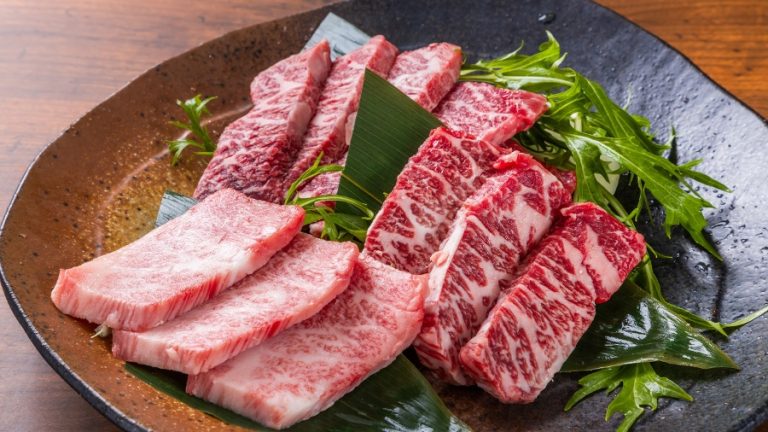
The longer cattle are grain-fed, the richer the marbling of the meat tends to become. The beef is generally tender and juicy, with a rich and slightly sweet flavor. However, longer feeding periods also increase production costs, which are ultimately reflected in consumer prices. This is one reason Japanese wagyu is especially expensive.
Success
You are now signed up for our newsletter
Success
Check your email to complete sign up
Grain-fed beef is well suited to high-temperature cooking methods such as grilling and roasting. During cooking, the fat gradually melts and enhances the overall flavor.
Grass-fed beef
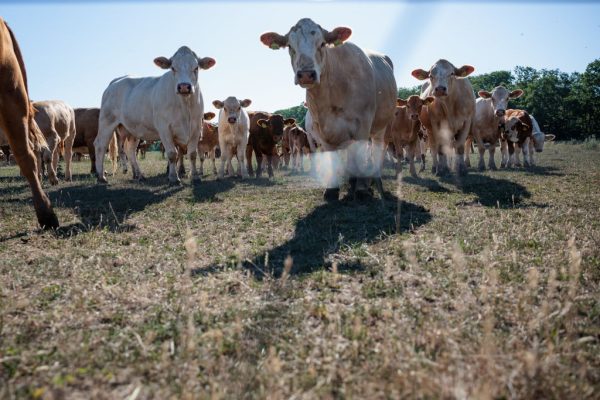
Grass-fed cattle are generally raised from a young age in broad pastures where they can move freely. Their diet consists mainly of fresh grass or other locally available plants.
Major producers of grass-fed beef include New Zealand, Australia, Paraguay, and Nicaragua. Grass-fed cattle generally take approximately 24 to 36 months to mature, giving them a relatively long growth cycle.
Because the cattle spend their time walking and running in open natural environments, grass-fed beef tends to contain less fat. Fresh grass also contains relatively high levels of carotene, which can give the fat a pale yellow color. The meat itself is lean, firm, and chewy, and it often has a distinctive grassy or herbal flavor.
Some people enjoy this aroma because it distinguishes grass-fed beef from grain-fed beef, while others describe it as a “grassy” or “gamey” smell. To appreciate its distinctive flavor, it is best not to season grass-fed beef too heavily. It also benefits from careful cooking to retain moisture, such as slow cooking or low-temperature cooking.
However, not all cattle marketed as grass-fed spend their entire lives roaming open pastures, nor do they necessarily eat only grass. Some grass-fed cattle are raised in confined feeding areas, and their diets may also include grains.
Some beef is now specifically labelled “grass-finished.” These cattle eat grass or forage throughout the final stage of their lives. Compared with ordinary grass-fed beef, grass-finished beef tends to have more pronounced characteristics, including greater leanness, lower fat content, and a stronger natural beef flavor. It is therefore popular among consumers who appreciate a pure, robust meat flavor.
READ MORE:
- Costco Rolls Out $6.99 Chicken Tender Meal Nationwide, Sparking Mixed Reviews
- Summer Fancy Food Show 2026: Where Innovation Meets Opportunity in the Specialty Food Industry
- 4 High-Protein Foods That Help Older Adults Build Immunity and Preserve Muscle Mass
Should you choose grain-fed or grass-fed beef?
Neither grain-fed nor grass-fed beef is inherently better or worse. The best choice depends largely on the flavor and texture you prefer.
From a nutritional perspective, however, grass-fed beef may offer several advantages. It generally contains more omega-3 fatty acids, has less total fat, and may involve less use of antibiotics than grain-fed beef.
Proper storage is also important when buying beef. Many people do not realize that refrigerated fresh meat is best eaten on the day it is purchased. When that is not possible, it should still be consumed as soon as possible.
Experts recommend keeping frozen beef for no longer than two weeks for the best flavour and quality. The day before cooking, move the frozen meat into the refrigerator and allow it to thaw slowly at a low temperature. This produces better results than rapid thawing.
Heating methods such as soaking the meat in hot water or defrosting it in a microwave can damage its texture, cause its juices to escape, and reduce its natural sweetness.