Fruits and vegetables are key components for a healthy diet, providing the essential nutrients for our bodies to function properly. Many of these important foods, however, are laced with chemical residues from pesticides, herbicides, fertilizers and other products applied for production.
While they are widely used to increase yields and meet growing demands, these chemicals may harm our health. A quick review of the various health hazards posed by chemical consumption may inspire you to cut back as much as possible; and we’re about to reveal how.
Different chemicals cause different damage
First, let’s look at what we’re dealing with. Conventional agriculture typically applies three chemical agents to protect produce, improve marketability, and increase yields. Various “-cides” (killing agents), ripening agents, and coating agents each carry a subset of concerns.
Killing agents

Various poisons like pesticides, fungicides, herbicides, and insecticides are used in cultivation to protect crops from pests, diseases, and weeds. Some of the most heavily tainted produce includes fruits like apples, strawberries, grapes, cherries, and peaches; and vegetables like tomatoes, spinach, potatoes, and bell peppers.
Health issues: Ingesting these poisons may cause nausea, dizziness, and headaches, and over time it may lead to hormonal disruptions, neurotoxicity, weakened immunity, reproductive issues, nervous disorders, and increased risk of cancer.
Ripening Agents
Success
You are now signed up for our newsletter
Success
Check your email to complete sign up
Calcium carbide (a source of acetylene), ethephon (a plant growth regulator), and ethylene gas are used to speed up the natural ripening procedure for fruits like bananas, tomatoes, papayas, mangoes, and apples.
Health issues: Calcium carbide contains heavy metals like lead and arsenic and can cause nausea, diarrhea, or neurological issues. Ethylene exposure may lead to allergic reactions or respiratory problems.
Coating agents
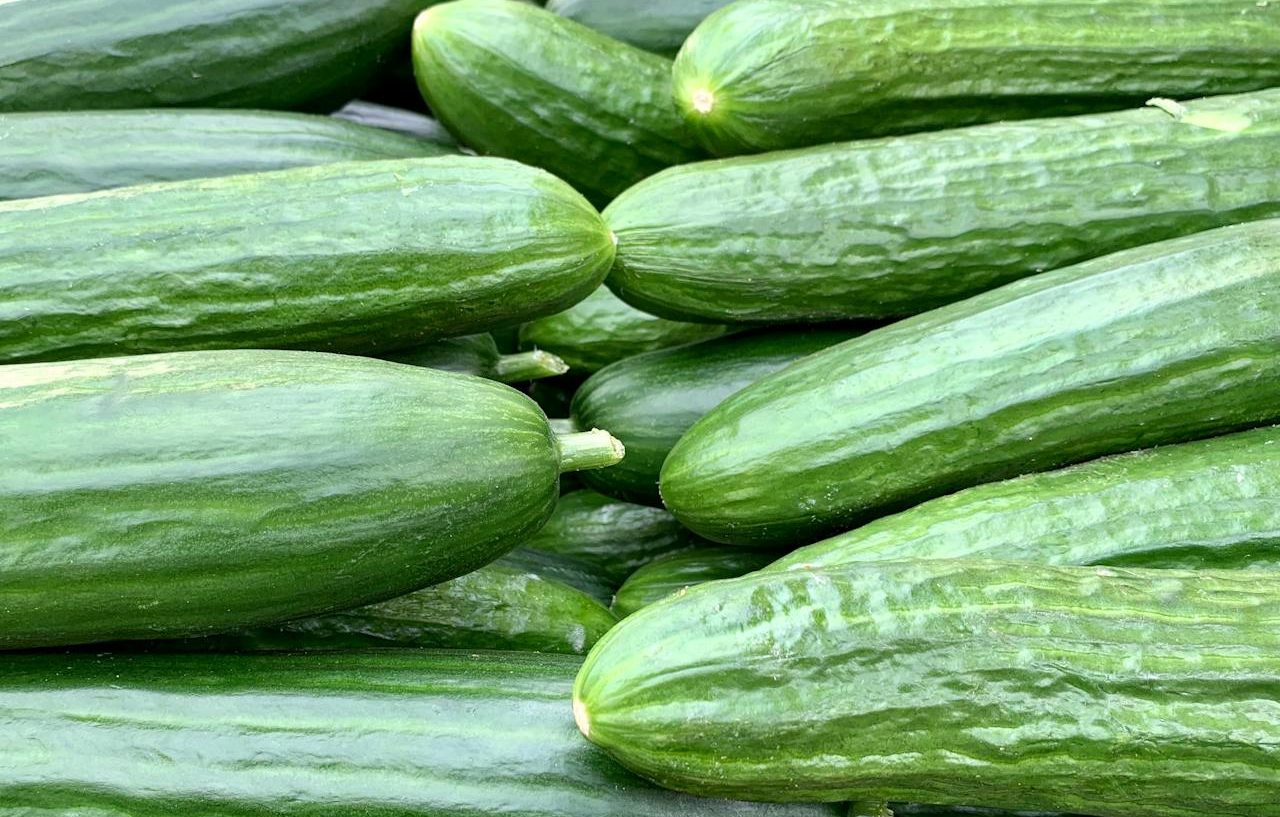
Wax (a petroleum product) and DPA (diphenylamine) are used to maintain moisture, retain shine, and improve shelf-life. Coating agents are commonly used on apples, citrus fruits, exotic fruits, bell peppers and cucumbers.
Health Issues: Ingesting wax can cause digestive difficulties or allergic reactions in some people, and petroleum based agents contribute to chemical exposure. DPA reacts with Nitrogen to form nitrosamine (a suspected carcinogen).
Chemical-free produce solutions
While it may be impossible to eliminate all chemical residues in your diet, there are a few very effective ways to take them down to the bare minimum.
Buy Organic
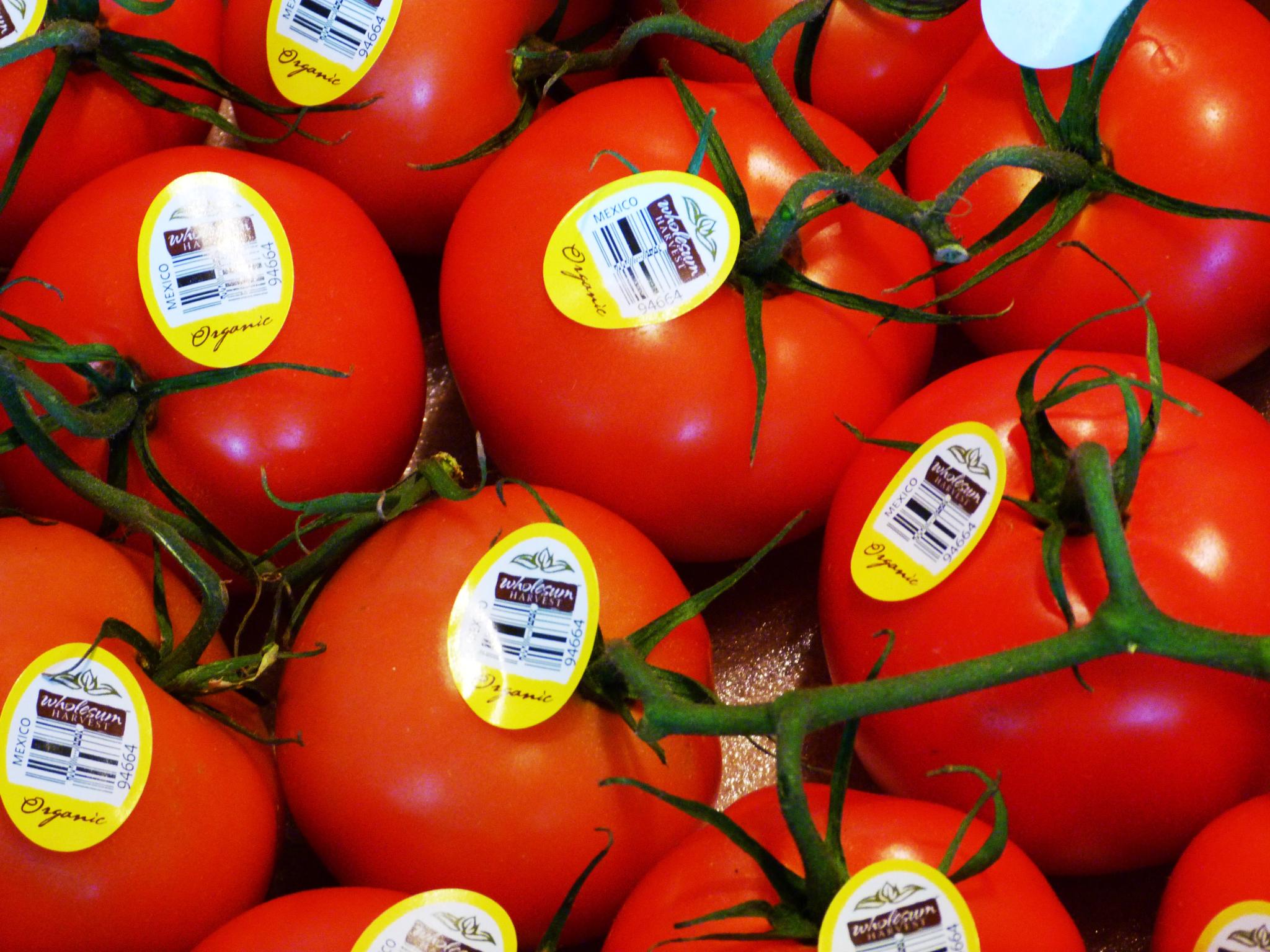
The most obvious option is to go organic. This earth-friendly production method minimizes the use of chemicals to begin with. Although the cost may seem extreme, you can think of this as a long-term health investment for yourself, your family, and the planet.
Buy local, seasonal produce

Another effective option is to eat seasonally from farms in your own region. Locally-grown food is less likely to contain contaminants from preservatives and ripeners, and its close proximity also translates to lower transportation costs.
Farmer’s markets, food coops and CSAs are great sources for local produce that foster community engagement and environmental education. They often provide free recipe ideas for the lesser-known fruits and vegetables that they provide.
If you have the opportunity to grow your own produce, give it a go! There is nothing more satisfying.
Physical removal
Since the above solutions are not always practical, we still have a lot of contaminated produce to deal with. Most of us are accustomed to rinsing our produce under cold, running water; but this only serves to remove visible dirt and a fraction of the residues. Even the commercial produce-washes have little effect.
Soaking produce in either a salt or vinegar solution helps remove more contaminants, but it can be expensive for the extent of its effectiveness.
Peeling fruits and vegetables is more effective, but it inevitably removes valuable nutrients found in the outer skin.
The best way to remove chemical residues on your produce (without compromising the nutritional value) is to soak it in a solution of baking soda and water.
Baking soda wash
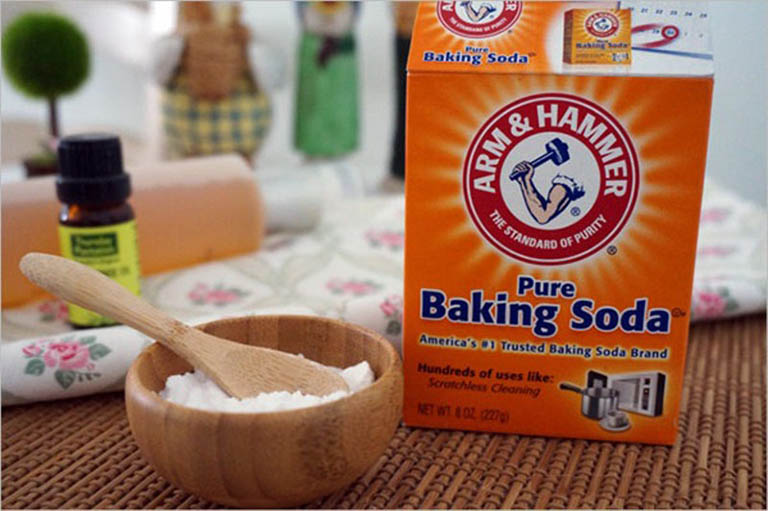
Baking soda is an affordable household product with the ability to break down many chemical compounds. After soaking produce in a solution of baking soda and water, they can be thoroughly washed away.
Using a solution of about two tablespoons plus two teaspoons baking soda per gallon of clean water, submerge produce (agitate leafy greens enough to ensure full coverage), and soak it for 15 minutes.
Any produce with waxy coatings should be scrubbed, and then the baking soda solution can be rinsed off, along with the broken-down chemicals.
Conclusion
While modern agriculture has become dependent on a number of potentially harmful chemical applications, there are ways to protect our health.
When possible, try to choose foods that are naturally chemical-free. This may make a dent in your pocketbook, or change the nature of your diet, but the results will be well-worth the output.
When dealing with produce that has a high risk of chemical contamination, give it a good dip in a baking soda solution to remove as much residue as possible.
Keep your produce consumption high and your chemical consumption low with the above guidelines, and you’ll be heading in a deliciously healthy direction.
READ ALSO:
- Seasonal Eating for September, and Where Organic Matters Most
- Seasonal Eating for December, and Relishing Your Roots (Recipes)
- Consumers Still Hot For Fruits and Vegetables Despite Economic Pressures
Ila Bonczek contributed to this report.