Food is essential for life. We need it to stay healthy, grow strong, and have energy. Yet sometimes food becomes more than just fuel for the body. When it gets to the point where it controls our thoughts and actions, it can be called a food addiction.
Have you ever opened a big bag of chips and, before you knew it, ate the whole thing? Or perhaps you permit yourself, “Just one cookie,” and end up eating five? If so, you’re not alone. This type of behavioral addiction, “food addiction,” isn’t just about willpower. There’s something bigger going on.
Some signs of food addiction include:
- Craving certain foods even when not hungry
- Eating more than planned
- Feeling tired, sad, or anxious after eating
- Trying to stop but failing many times
- Avoiding social situations because of food
Food addiction is not just about being hungry or liking food. It is a mental health issue that affects emotions, behavior, and the brain.
The secret science of addictive food
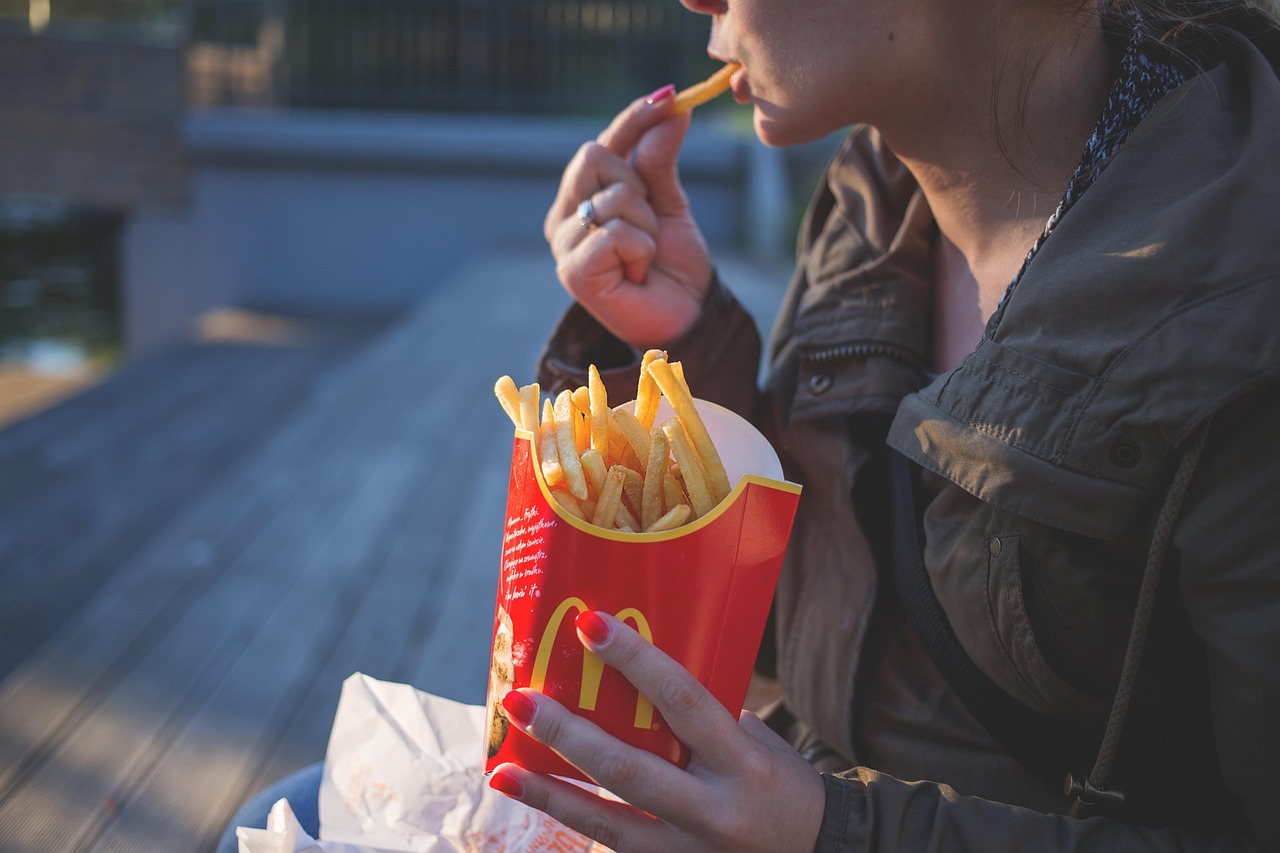
Many of the foods we eat today are carefully designed by big food companies to be addictive. Yes, addictive — like cocaine or cigarettes. These companies spend millions of dollars in labs figuring out how to make food that triggers cravings. They hire food scientists who test and tweak ingredients over and over until the product is “just right.”
Success
You are now signed up for our newsletter
Success
Check your email to complete sign up
Here are a few ways they do it:
1. The bliss point
This is a term used in food science to describe the perfect mix of sugar, salt, and fat that lights up your brain’s reward system. When food hits this “bliss point,” it gives you a powerful rush of pleasure. That’s why you can’t stop at just one bite — it literally hijacks your brain.
2. Fast-melting foods
Some snacks, such as chocolate or certain chips, melt quickly in your mouth. This tricks your brain into thinking you haven’t eaten much, so you continue eating. This is called “vanishing caloric density,” and it’s no accident — it’s designed to make you overeat.
3. Flavor enhancers and additives
Companies use artificial flavors, colors, and chemicals to make food taste better and make your brain crave more. These ingredients never enhance nutrition — they only enhance addiction.
4. Packaging and marketing tricks
The colors, logos, and slogans of packaged products are designed to grab your attention and create a connection in your brain. Bright colors, smiling mascots, and words like “crunchy,” “bursting,” or “irresistible” all make food more appealing, especially to children.
5. Hidden sugars

Did you know sugar has over 50 different names on food labels? Companies often hide sugar in foods that we don’t think of as sweet, such as sauces or breads. The more hidden sugar, the more addictive the food becomes.
How addictive food affects your brain and body
Eating these types of engineered foods doesn’t just affect your weight — it affects your brain chemistry. When you eat sugary, salty, or fatty foods, your brain releases dopamine, a chemical that makes you feel good. But over time, your brain gets used to this “high” and wants more. This means:
- You crave more junk food.
- You feel tired or unhappy when you don’t eat it.
- You eat even when you’re full.
- You lose control.
This is similar to how drug addiction works. The more you eat these foods, the more your brain changes — and the harder it becomes to stop.
How to beat food addiction
Overcoming food addiction is not easy, but it is possible. It takes time, patience, and the right steps. Here are some helpful ways to start:
1. Understand what triggers your cravings

The first step is to learn what makes you want to eat when you are not hungry. Is it stress? Loneliness? Certain places or people? Keeping a food diary can help. Write down what you eat, how you felt, and what was happening at the time. Once you recognize your pattern weaknesses, you can face them. Ask yourself:
- Am I really hungry?
- Am I stressed, bored, sad, lonely or tired?
- What do I really need right now?
If hunger is not the issue, non-food alternatives can come to the rescue:
- Take a 5-minute walk outside.
- Listen to your favorite song.
- Practice meditation or qigong exercises.
- Connect with a friend or family member.
When you meet the true need — whether it’s food, rest, connection, or comfort — you can avoid the food trap.
2. Cook at home
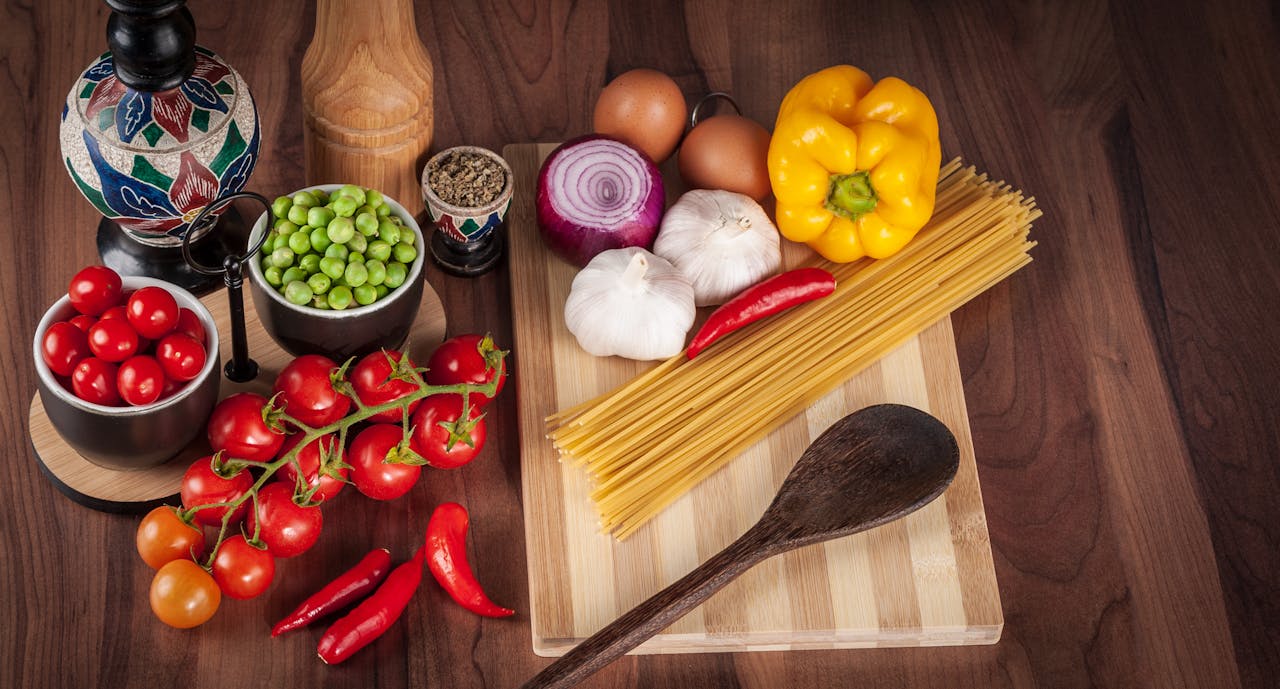
When you cook your own meals, you know what’s going into your body. You can control the amount of sugar, salt, and fat — and skip the chemicals altogether. You don’t have to be a chef — start simple. Cooking at home can be creative and satisfying, especially if you share your meals.
4. Have a “go-to alternative” for cravings
When a craving hits, it can feel powerful and urgent. You can’t always depend on willpower, so it helps to plan for weak moments. Some healthier alternatives you can turn to include:
- Water! Sometimes we confuse thirst with hunger. Stay hydrated to minimize cravings.
- Fresh fruit instead of candy.
- Raw veggies with hummus over potato chips and dip.
- Greek yogurt with berries rather than ice cream.
- Plain nuts or seeds instead of a sweetened energy bar.
- Whole-grain toast with nut butter rather than pastries.
5. Practice mindful eating
Slow down. Chew your food. Turn off the TV or phone while eating. Pay attention to how you feel before, during, and after meals. This helps your brain reconnect with your body’s hunger and fullness signals.
6. Forgive yourself and keep going
You will have days when you slip. That’s normal. Don’t punish yourself. Don’t give up. Every meal is a chance to start fresh. Think long-term, and focus on progress — not perfection.
7. Get support

You’re not alone. Many people struggle with food addiction. Talk to a therapist, join a support group (like Overeaters Anonymous), or find online communities. Even talking to a friend who understands can help you stay on track.
Conclusion
Food addiction is not a personal failure — it’s a natural response to a system designed to keep you hooked. The first step is awareness. The second step is action. And every small change adds up to a healthier, freer life.
Always remember:
- Cravings are not commands — they are messages.
- You have the power to choose differently.
- Every small, positive choice builds strength over time.
- You are stronger than any craving.
There is help, there is hope, and every step forward — no matter how small — is a step toward healing.
Mantra for the moment:
“I am in control. I listen to my body, not my cravings.”