Published with permission from LuxuryWeb.com
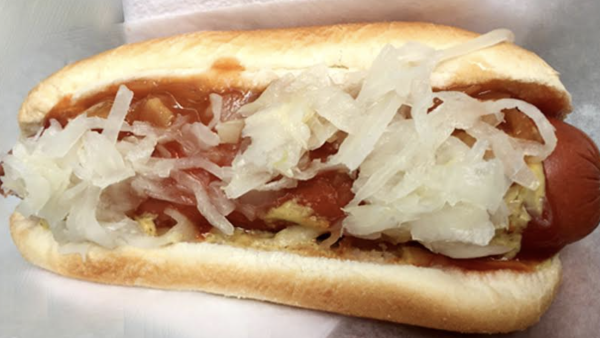
Hot dogs — once known as “dachshund sausages” for their long, thin resemblance to the dog breed — first appeared in New York in the 1860s. These sausages, typically topped with sauerkraut, were sold from street pushcarts in Manhattan’s East Village, around St. Mark’s Place.
At the time, this area was called “Klein Deutschland” (Little Germany), home to immigrants from Germany, Austria, and parts of Ukraine. The hot dog’s popularity continued to grow as German brewers and cooks migrated uptown to Yorkville, an Upper East Side neighborhood between 91st and 92nd Street, where the Ruppert Knickerbocker brewery was constructed.
RELATED: Sipping Sangria in Madrid: A Toast to Tapas, Tradition, and Hemingway’s Favorite Bar
Humble origins
That area soon became nicknamed “Germantown,” as German-owned eateries, patisseries, sausage shops, and small breweries lined 86th Street, forming the culinary heart of the neighborhood. The Kleine Konditorei, a notable German pastry shop, remained there until 1997, and to this day, a few German delis and restaurants still operate in the area.
Success
You are now signed up for our newsletter
Success
Check your email to complete sign up
The story of the hot dog also runs through Coney Island, where in 1871, a 15-year-old German immigrant named Charles Feltman opened the first official hot dog stand. In his first year, Feltman sold an impressive 3,684 “dachshund sausages” tucked into milk rolls and topped with mustard.
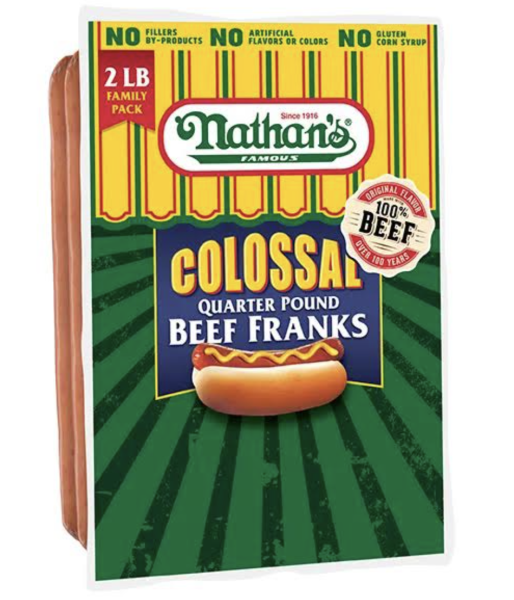
The more famous Coney Island hot dog institution, Nathan’s, came along later. Nathan’s Famous began in 1916 as a nickel hot dog stand run by Nathan and Ida Handwerker, who used Ida’s grandmother’s secret spice recipe. That recipe remains the key to the unique flavor of Nathan’s hot dogs today.
RELATED: The Suite Life: Why Butlers Are the Unsung Heroes of Luxury Hospitality
A kosher-style option soon emerged with Hebrew National, catering to Jewish communities and anyone preferring all-beef options. Though New York once claimed these brands as hometown staples, companies like Sabrett, Boar’s Head, Nathan’s, and Hebrew National have since moved their headquarters out of state.
From Kosher to classic
Still, their presence in New York remains strong, and across the U.S., Americans now consume over 20 billion hot dogs annually — or about 70 per person, every year.
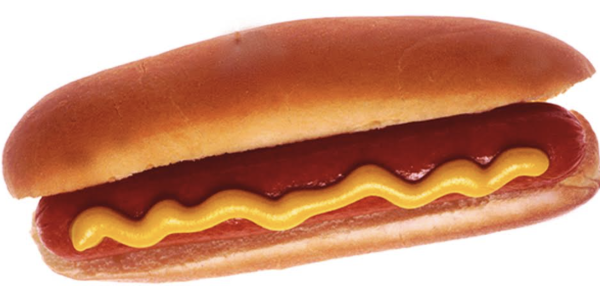
According to the U.S. Food and Drug Administration, any product labeled as a hot dog or frankfurter must be a cooked or smoked sausage in a casing — though today’s “skinless” hot dogs are also common. While pork is a popular ingredient, hot dogs also come in beef, turkey, or chicken varieties, and sometimes feature a mix of meats.
RELATED: Around the World in a Skillet: The Many Faces of Shakshuka, a Middle Eastern Favorite
Sausage, in fact, is one of the oldest processed foods in existence — it was even mentioned in Homer’s “Odyssey” as early as the 9th century BCE.
Traditionally, Frankfurt-am-Main in Germany is credited as the birthplace of the hot dog, hence the term “frankfurter.” But this claim is contested. Some researchers say the sausage was invented in the late 1600s by a butcher named Johann Georghehner in Coburg, Germany. According to their version, Georghehner brought his sausage recipe to Frankfurt to sell in volume, which explains the regional association.
A taste of the past
Meanwhile, the people of Vienna (Wien) argue for their own claim to fame, pointing to the word “wiener” as evidence that their city, not Frankfurt, gave birth to the hot dog. In truth, the American hot dog likely evolved from bratwurst-style sausages commonly made in both Germany and Austria and brought to the U.S. by Central European immigrants.
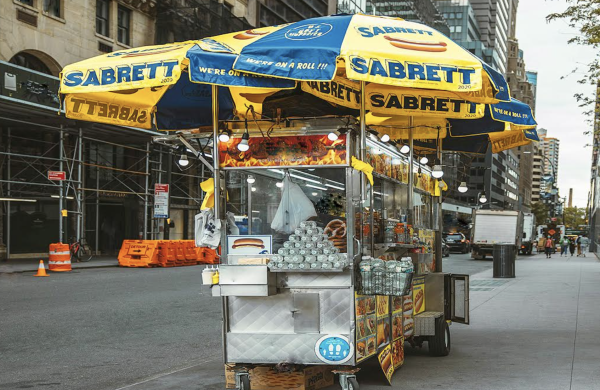
When I arrived in New York in 1967, hot dogs were everywhere. Stainless steel pushcarts, often found on nearly every corner, served up boiled hot dogs topped with mustard, sauerkraut, onion sauce, or relish. The now-iconic Sabrett carts — with their colorful umbrellas — still dot the city, with nearly 4,000 of them in operation. Locals fondly call the cart fare “dirty water” hot dogs.
RELATED: Melting Tradition: How to Craft the Perfect Swiss Cheese Fondue Right at Home
Hot dogs on every corner
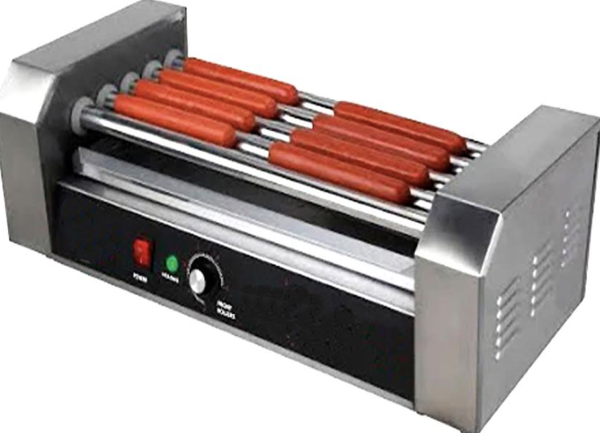
Storefronts and coffee shops, in contrast, mostly served grilled hot dogs cooked on flattops or rotating machines. At home, one quirky gadget was the “hot dog zapper,” which cooked sausages by sending 110-volt electric current through them. I had one for several years — it reliably made two perfect hot dogs whenever I craved a snack.
Back then, hot dog prices were modest. A Sabrett “dirty water” dog from a pushcart cost 75¢, while some storefronts offered two for $1 — though toppings like sauerkraut or onion sauce cost an extra nickel. In Little Italy, where I rented my first apartment, prices were even lower: 40¢ for a hot dog with mustard and sauerkraut, 25¢ for a plain slice of pizza (35¢ for pepperoni), and just 10¢ for a mug of coffee with milk.
Today, you can find Sabrett, Nathan’s, Hebrew National, and other quality hot dog brands at most supermarkets, along with the necessary fixings — buns, mustard, sauerkraut, and onion sauce. But now that I’ve moved away from Manhattan, I can’t help but miss the classic “dirty water” dogs from the corner carts.
Visit LuxuryWeb.com to see the original article, and more.