Why is it that Asians seem to age more gracefully than others, often keeping a youthful appearance well-past middle age? While lifestyle choices obviously play a leading role in health and longevity, one secret to enduring youth may lie in a certain botanical supplement. In China, medicinal plants have been used for millennia — not only to cure illnesses, but also as tonics to maintain health and balance.
Today, we will delve into one such tonic — an ordinary-looking root that is extraordinary enough to have its own legend: He Shou Wu
The legend of He Shou Wu
The story goes something like this: There was a 58-year-old man by the name of He, who was aging badly. He was in poor health, and troubled by the fact that he hadn’t produced any children in his life. After a vivid dream showing him a twining vine, he found that very plant growing near his home. A local monk recognized it as 夜交藤 (ye jiao teng) “night mating vine” and advised He to use it as a tonic.
He began drinking a daily decoction of the cooked root and gradually experienced a remarkable reversal of the aging process. Over time, not only did his thinning, grey hair turn thick and black, within 10 years he had fathered several sons. He changed his name to 能飼 (Neng Si) “Capable of having children,” and the plant became known as 何首烏 (He shou wu), “He’s Dark Hair.”
He went on to live another 72 years to see his 130th birthday.
Success
You are now signed up for our newsletter
Success
Check your email to complete sign up
Another legacy of longevity, Li Ching-Yuen (1678-1930), was actually published in the Guinness Book of World Records. With the help of He shou wu and other Chinese herbs, he was said to have lived to the astounding age of 252. Although the claim was later retracted as myth, this man certainly exceeded any ordinary expected lifespan.
How does He shou wu work? Let’s see what traditional Chinese medicine (TCM) has to say.
He shou wu and TCM
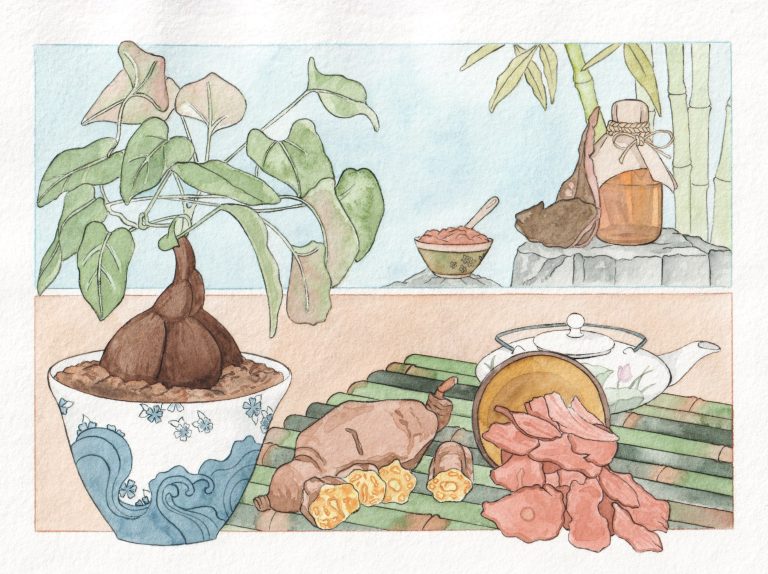
He shou wu (Polygonum multiflorum), is a perennial vine native to China. The twining vine has heart-shaped leaves and blooms in the fall with bunches of small white flowers. It is also called floss flower; but the part we’re interested in is its tough underground tuber.
The earliest record of its medicinal use dates back nearly 2,000 years, when it was mentioned in the ancient text 神農本草經 (Shen Nong Ben Cao Jing), or The Divine Husbandman’s Classic of the Materia Medica, as a remedy for various ailments.
To this day, He shou wu is an important “jing” herb, recognized as a tonic adaptogen that helps support the liver and kidney functions. According to TCM, the kidneys are the root of our vital essence, regulating various metabolic processes, reproduction, and the filtering of fluids.
The liver stores blood and regulates blood flow. Its job is to transport qi smoothly throughout the body, supplying energy to all the organs. Liver health impacts our energy level, immune response, reproductive facilities and emotions. According to TCM, He shou wu helps clear up liver stagnation by promoting detoxification.
He shou wu is believed to rejuvenate the body, nourish the blood, strengthen bones and muscles, and yes, restore hair color and growth. It is often prescribed in small doses for extended periods to replenish vitality. In addition to its revitalizing effect, He shou wu is also believed to calm the nerves, promoting relaxation and centeredness.
As one of the main ingredients in the patented anti-aging elixir called Shou Wu Chih, as well as a popular hair growth formula called Shou Wu Pian, he shou wu is commonly taken throughout China.
Medicinal properties of Fo-ti
He shou wu is known in the West as 佛替 (Fo-ti). Fo means “Buddha,” and ti means “change.”
While medical studies are limited, early tests of Fo-ti root reveal much potential. The root is rich in important minerals like iron — which aids proper energy production, muscular function and blood circulation; and zinc — essential for cellular metabolism, neurological functions, reproductive vitality and immunity.
Fo-ti root also supplies lecithin and choline — which aid in cognitive function and help maintain a healthy cholesterol level and blood pressure; and bioactive compounds like resveratrol and emodin. These compounds, called stilbenes, show antioxidant and anti-inflammatory properties, and are believed to support DNA repair to protect against chronic illness and help slow aging.
Fo-ti research has revealed specific antioxidant constituents — namely SOD (Superoxide dismutase) and TSG (Tetrahydroxystilbene glucoside) — that protect against DNA damage, improve memory, and regulate body weight.
Fo-ti root shows potential for reducing the risk of neurodegenerative diseases like Alzheimer’s. It also exhibits antimicrobial properties, which may help combat certain infections. One study backs its use for hair health, stating: “Extracts of P. multiflorum have been reported to promote hair growth in vivo.”
How to use Fo-ti root
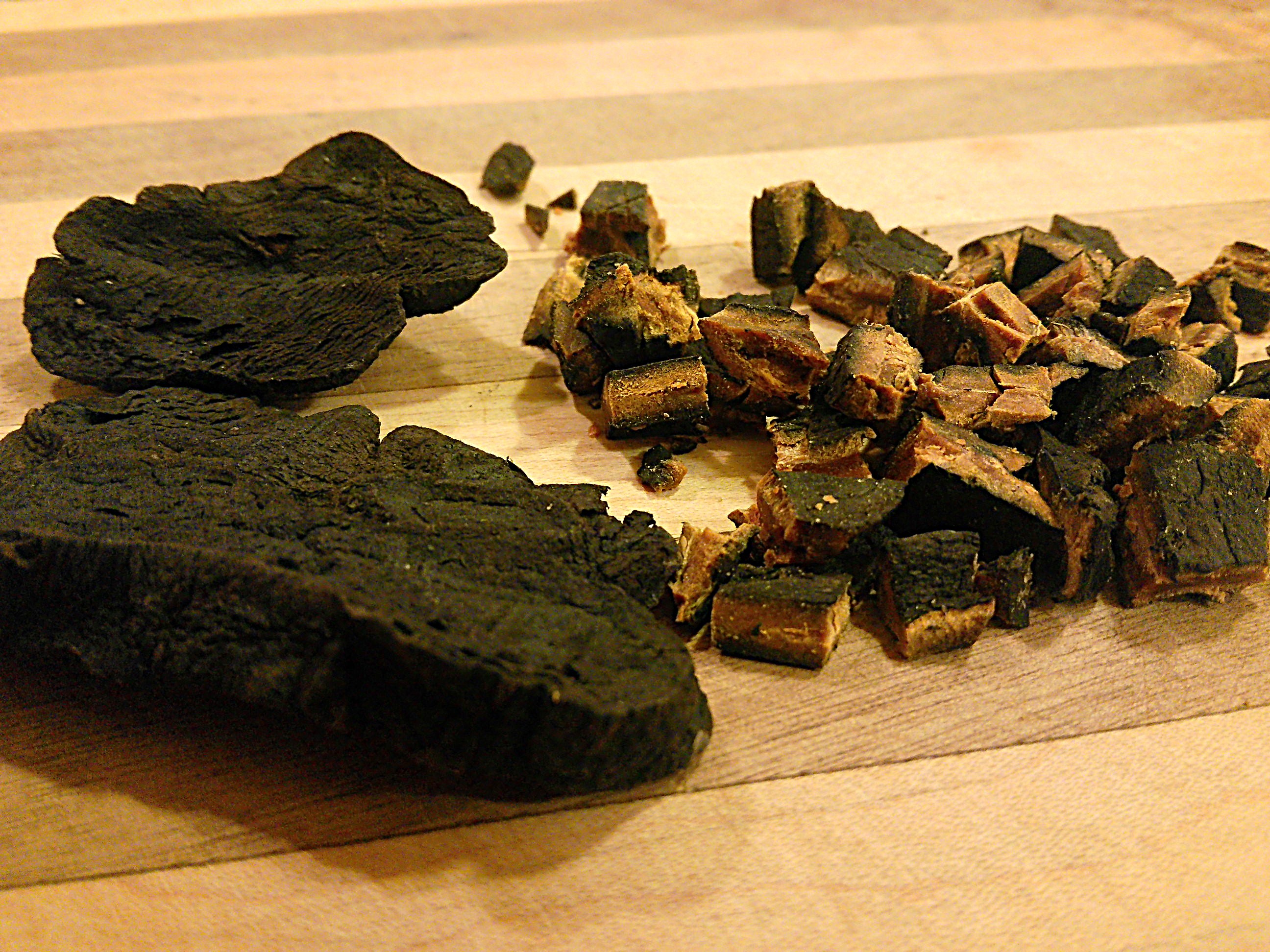
The medicinal qualities of Fo-ti root are enhanced with a special preparation process. The raw roots are sliced and stewed or steamed in a black soybean broth for several hours or even days, and then dried.
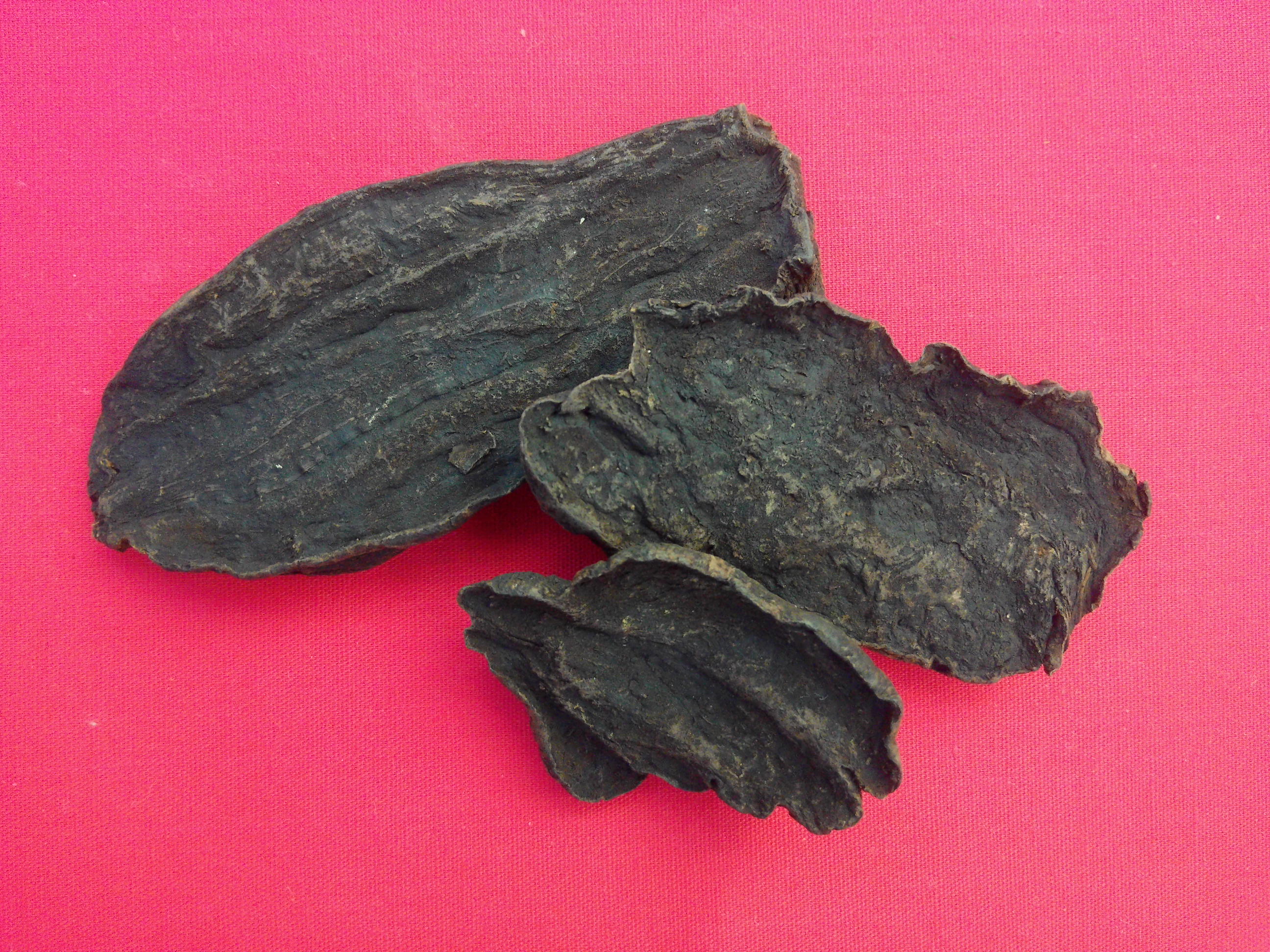
Unprocessed roots are potentially toxic to the liver and should be avoided. They can be recognized by their light color. Prepared roots are widely available online, and should appear dark in color.
Fo-ti root can also be found in powder, tincture, or in capsule form. In any case, be sure you are getting a properly-prepared product from a reputable source. Some sellers will boast about their old roots — that’s a good thing, since fo-ti grows more potent with age.
Fo-ti root is no magic bullet that will reverse aging overnight. It is generally taken in small doses over a long period of time, sort of like a multivitamin. Overdosage, just like consuming the raw root, can have negative side effects — particularly with the liver.
That said, many people have reported positive outcomes taking Fo-ti in moderation. Like many herbal supplements, it is easily incorporated as a tea.
Fo-ti Tea
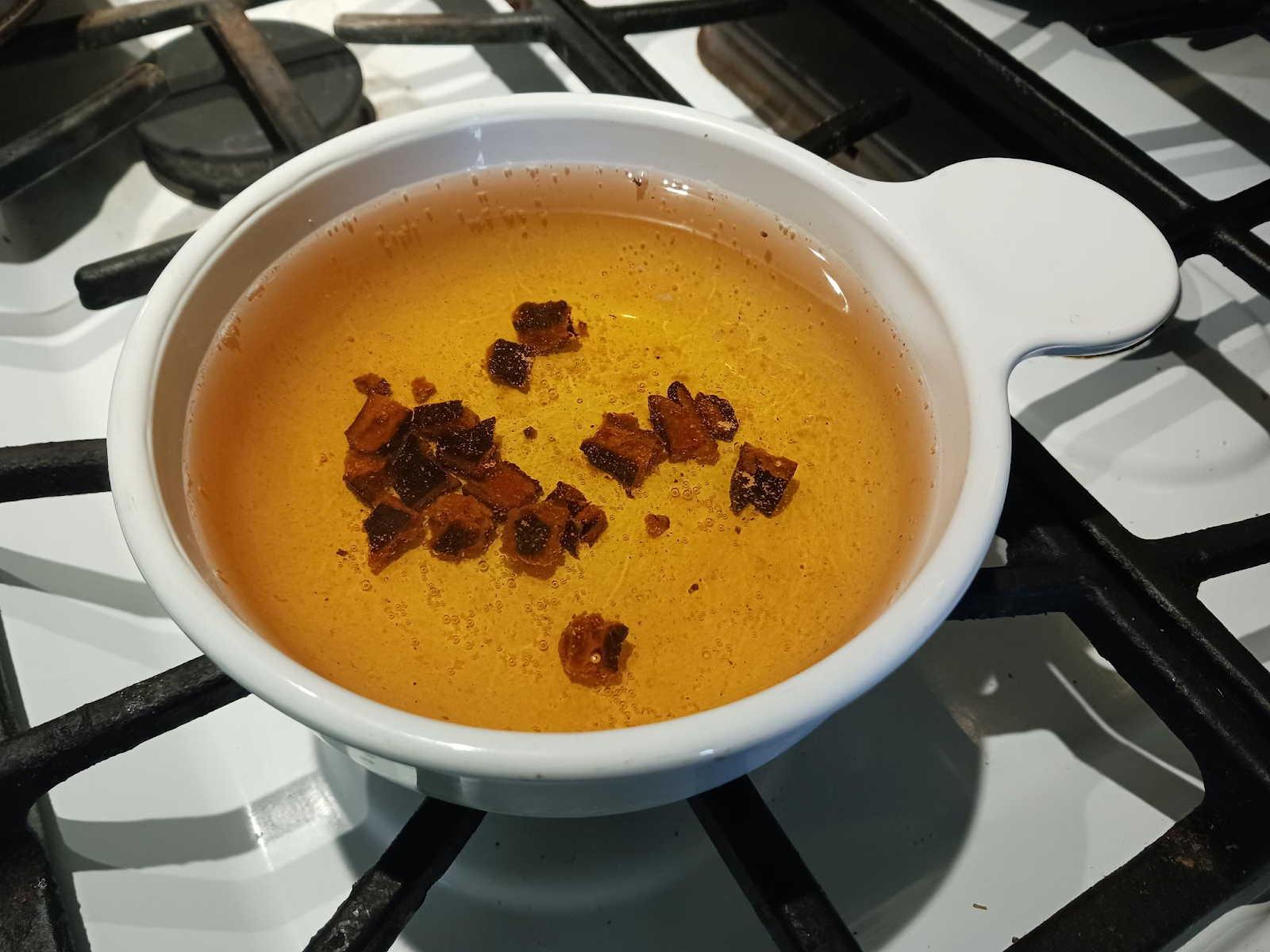
Fo-ti tea can be made from dried root pieces, or from powder. In a non-metallic pot, simmer one teaspoon of dried root per cup of water for at least 30 minutes. The powdered form takes less time (10 to 15 minutes). Strain off the solids, and enjoy the pleasant, warming energy of this mildly bitter-sweet tea.
A somewhat stronger decoction can be applied topically to improve circulation and treat skin conditions.
Powder
While many online merchants sell Fo-ti as a powder, there is little evidence that this form can be safely ingested. If you trust tradition, stick with decoctions or extracts, which can be made from powder. These are forms which have been used for hundreds of years, while adding powder to smoothies and baked goods is a new idea with scanty support from the scientific community.
Extracts
Fo-ti is available both as a tincture and an alcohol-free extract, which are typically added in drops to a beverage, or taken under the tongue.
If you love this convenient form, you can save a bundle of money by making your own Fo-ti extract. All you need is prepared roots, your chosen solvent, and two to four weeks waiting time. By choosing high quality, organic ingredients, you can be sure that you’re making an excellent product.
Capsules
Capsules are another convenient form of Fo-ti, but like powders, they are not among the traditional ways of taking this supplement, and pose a potentially greater risk.
READ ALSO:
- Unraveling the Mystery of Medicinal Chinese Herbs (Part 1) Goji Berries
- Unraveling the Mystery of Chinese Medicinal Herbs: (Part 2) Chinese Yam
- Chinese Autumn Begins With Liqiu and the Body is Rejuvenated with White Fungus Soup (Recipe)
He Shou Wu may have been one of the best kept “ancient Chinese secrets” for retaining youthful vigor; but someone spilled the beans. Now this powerful anti-aging herb is meeting a warm welcome in the western world.
Whether you’re battling the degenerative effects of old age, or you just want your hair back, remember Fo-ti is a potent medicinal substance. Use it with caution and respect. If you are pregnant or nursing, have a serious medical condition, or are taking prescription medications, please consult your physician before supplementing with Fo-ti.