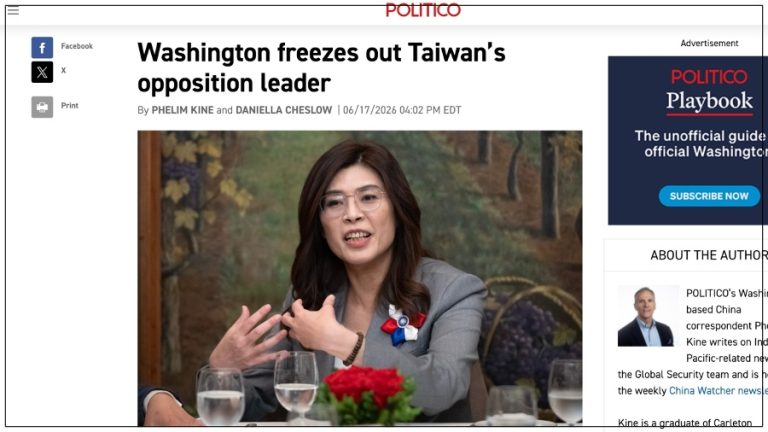

German public broadcaster ARD has aired a special Indo-Pacific edition of its international program Weltspiegel, featuring an exclusive interview with Taiwan’s Vice President Hsiao Bi-khim. Beginning with her now-famous “War Cat Spirit” metaphor, the interview examined how Taiwan continues to withstand Beijing’s growing military and political pressure—through the eyes of European audiences familiar with the Russia–Ukraine war and the risks of dependence on China.
During the 20-minute interview, Vice President Hsiao was asked whether her earlier remark—“Taiwan is like a cat: warm and friendly, but don’t provoke us”—still holds true.
Hsiao said the metaphor remains relevant. “The people of Taiwan value peace and compassion. Even when treated unfairly by the international community, we continue contributing to global welfare through concrete action,” she said.
Taiwan, she added, must stay flexible and pragmatic while maintaining robust self-defense. “Like a cat, when cornered, it will fight back,” Hsiao said, urging the international community to “treat Taiwan—the cat—well.”
Confronting Beijing’s hybrid warfare
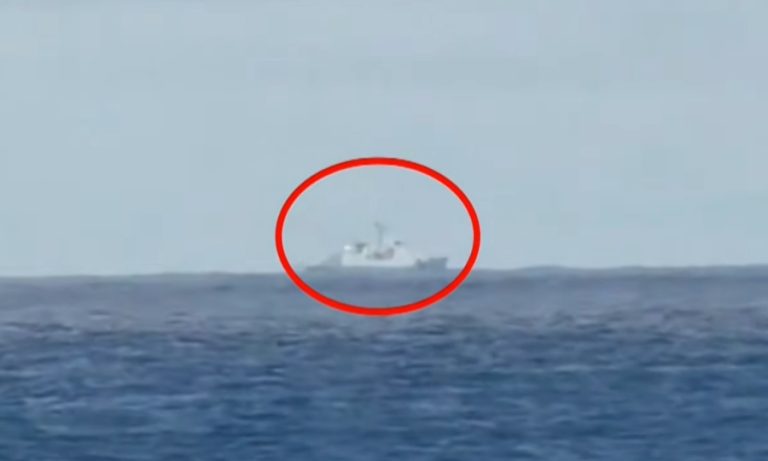
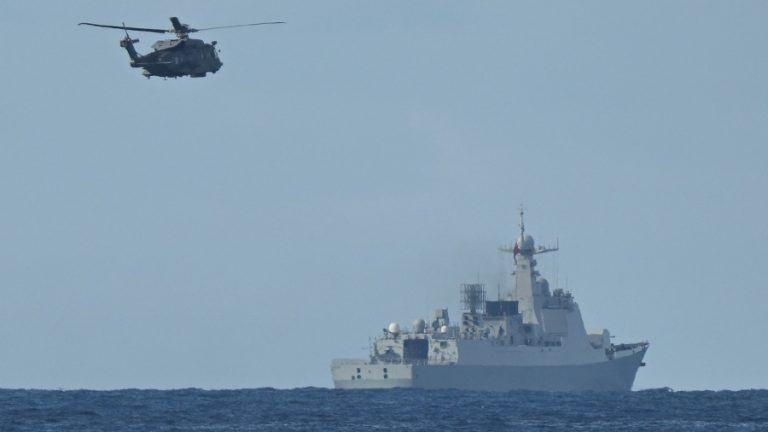
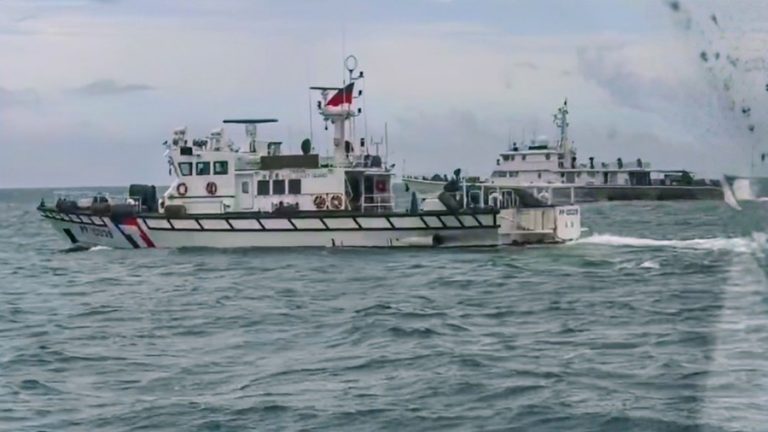
Asked about Beijing’s intensified military drills around Taiwan, Hsiao expressed concern over China’s expanding show of force and its broader hybrid warfare strategy.
Success
You are now signed up for our newsletter
Success
Check your email to complete sign up
“Beyond military intimidation, Beijing is waging cognitive and information warfare—shaping public opinion, manipulating economic dependence, and infiltrating politics,” she said. “Despite these pressures, the people of Taiwan remain determined to defend their freedom and way of life.”
Beijing often accuses the Democratic Progressive Party (DPP) government of “promoting separatism,” but Hsiao countered that China—not Taiwan—is the source of regional instability.
“If peace and stability are disrupted, Beijing is the root cause. The international community understands this clearly,” she said.
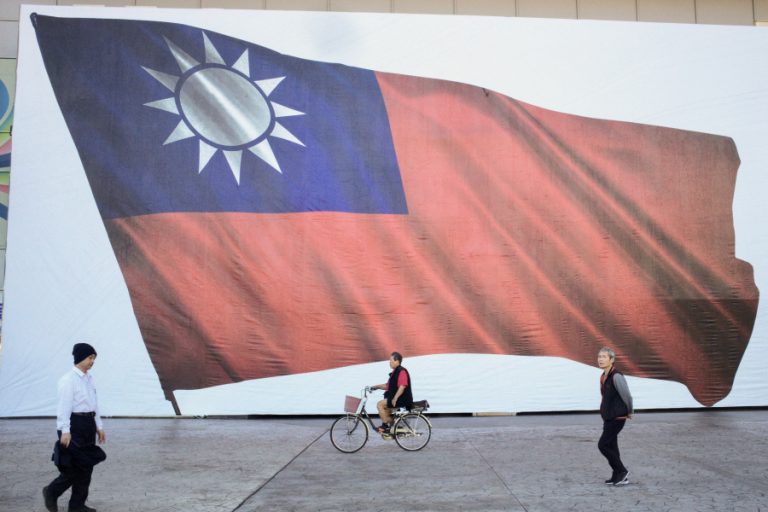
When asked whether Taiwan is part of China, Hsiao responded firmly: “Taiwan—formally known as the Republic of China—has always existed. Our people elect their government through democratic processes. Taiwan’s sovereignty belongs to the people of Taiwan.”
She added that Taipei is always open to dialogue with Beijing—but only on the basis of equality and mutual respect.
“Maintaining peace across the Taiwan Strait is not easy,” Hsiao said. “It requires strong defense and the sustained attention of the international community, because stability here is vital to global interests. Economic resilience and lessons for Europe
Germany’s economic ties with China remain deep and complex, and ARD asked whether Beijing could use trade leverage to influence Taiwan.
Hsiao acknowledged that many Taiwanese companies benefited from economic engagement with China during the reform era. But in recent years, she said, Beijing has “weaponized trade” for political purposes.
“Taiwan values free trade and open markets, but we reject threats and coercion as part of normal economic relations,” Hsiao stated. She added that many Taiwanese firms are already diversifying their global supply chains—and advised German businesses to “avoid putting all their eggs in one basket.”
Parallels with Europe’s war experience
Drawing a parallel with the Russia–Ukraine conflict, ARD asked what a Russian victory might mean for Taiwan.
“There are no winners in war,” Hsiao replied. “History shows that aggression never achieves real victory. Democracies must stand together to resist aggression and defend the freedoms we’ve fought for.”
Hsiao thanked Germany for consistently affirming the importance of peace and stability in the Taiwan Strait and noted that Germany is Taiwan’s largest trading partner in Europe. Collaboration in semiconductors and microelectronics is expected to deepen further as artificial intelligence technologies evolve.
Concluding the interview, Hsiao reiterated that Beijing must be reminded that peace across the Taiwan Strait serves the entire world’s interests.
“Any threat to Taiwan or to stability in the Strait would have profound consequences for global trade and supply chains,” she warned. “The world should treat Taiwan fairly and recognize our role as a responsible democracy in the Indo-Pacific.”