The Earth holds many mysteries, and medicinal roots are not the least of them. Among the traditional Chinese herbs, angelica root (當歸 dang gui) is considered a foundational botanical. It has long served as a potent tonic for general well-being, and a trusted herb for women’s health.
Folklore traces the beautiful botanical name to spiritual origins, crediting the plant with a strong healing capacity. Since angelica blooms during the feast of Saint Michael the Archangel, it is said that the plant was named after this angelic leader, who personifies courage, protection, and divine intervention.
A more intriguing tale takes us back to the great plague in Europe.
During this time, monasteries and convents were the closest thing to a hospital — they offered a place and a means for healing. According to legend, one monk was visited in a dream by an angel, who showed him a botanical cure for the plague. He named the plant Angelica, and it was subsequently incorporated into monastic gardens throughout Europe.
“But wait,” you say, “isn’t this supposed to be a Chinese herb?” Actually, Angelica is a genus in the Apiaceae family with about 90 different species. It is believed to have originated in the Middle East before spreading to Europe and Asia, where two similar, but distinct species are valued for their medicinal qualities. Western herbalists have Angelica archangelica, while Eastern practitioners use Angelica sinensis.
What Is Angelica sinensis (dang gui)?
Success
You are now signed up for our newsletter
Success
Check your email to complete sign up
Angelica sinensis is a member of the parsley family. It is a large, herbaceous biennial (completing its life cycle in its second year). Like its cousins the carrot and parsnip, angelica has a prominent tap root, which becomes fibrous in its second year, as the plant matures to bear globe-like clusters of flowers and subsequent seeds.
This rugged root is the source of powerful organic compounds that traditional Chinese medicine harnesses to support the vitality and balance so important for well-being.
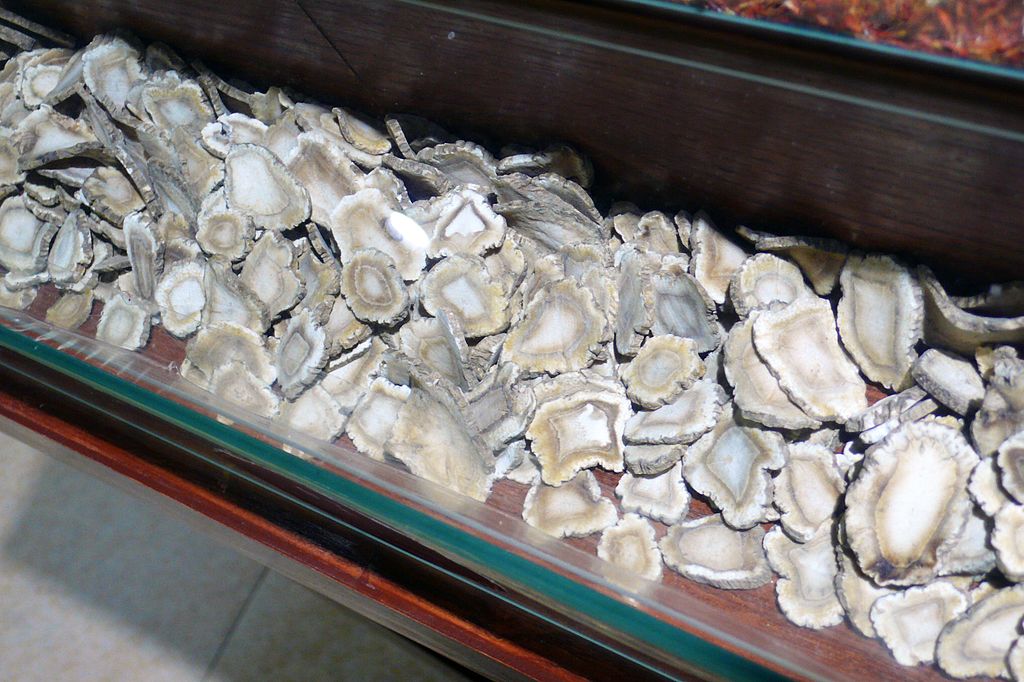
The Chinese characters 當歸 (dang gui,) translate literally to “state of return,” suggesting its restorative role. The herb is also commonly known as angelica root, and can be found in Chinese groceries, Asian apothecaries and online — in sliced, dried form.
Some of the cut and sifted or powdered forms found online are Angelica archangelica, which has slightly different medicinal properties; so just be clear about your search.
Dang gui is generally considered safe for regular use and is commonly seen in culinary recipes as well as traditional prescription formulas and tonics.
Angelica root in traditional Chinese medicine (TCM)

Dang gui (also called Dong qui, Dang quai or Tang guai) is one of the original Chinese herbs, with documented references in the third century medical text Shennong Ben Cao Jing (Divine Farmer’s Materia Medica) appearing long before angelica was recorded in European texts.
When taken internally, dang gui is believed to enter the heart and liver meridians, tonifying the blood to nourish and strengthen these organs as well as the kidney and liver. Other actions include alleviating pain and inflammation, detoxifying, dispersing cold, expelling pus, and moistening membranes.
It has many medicinal applications — including anemia, anxiety, bronchitis, colds, constipation, coughs, insomnia and nausea. Often referred to as the “female ginseng,” Chinese women have long used dang gui for menstrual discomfort and disorders, infertility and pregnancy complications, postpartum recovery, menopause symptoms and maintaining a youthful complexion.
Angelica has an earthy sweet flavor and is classified as a warming herb. Dispelling cold from the body is one way it enhances blood flow and circulation.
Medicinal properties
Modern medicine recognizes several organic compounds present in angelica that work together synergistically for a potent therapeutic effect.
- Polyphenols called coumarins support the circulatory system and help regulate blood clotting with their gentle anticoagulant properties. The antioxidant properties of coumarins has been a subject of study for two decades.
- The phenolic compound ferulic acid is another powerful antioxidant with anti-inflammatory properties. It supports cardiovascular wellness and good circulation.
- Complex carbohydrates called polysaccharides serve as energy reserves. By supporting the immune system and enhancing vitality, they reduce the effects of aging.
- A phthalide called Z-Ligustilide is the primary active ingredient in Angelica root. Its special capacity for easing muscle spasms and improving blood flow is helpful in relieving menstrual discomfort.
- Angelica root also has an impressive nutritional profile with a balanced array of vitamins and minerals to support general good health.
How to Use Angelica Root
Aside from being a common ingredient in Chinese herbal prescriptions, angelica root is frequently found in nourishing soups. It is a key ingredient in the classic, immune-boosting, herbal chicken soup (Chinese style):
Recipe: Chinese herbal chicken soup

This soup features chicken (or your choice of protein) simmered in an herbal broth. The result is a fragrant and nourishing soup that promotes health and vitality.
Ingredients (for a large pot of soup):
- 1 small chicken (black silkie is the traditional bird for medicinal soups)
- 3 quarts water
- Angelica sinensis, dried root slices (about ¼ ounce)
- Astragalus dried root slices (about ¼ ounce)
- Dried ginseng root (about ¼ ounce)
- Goji berries (about ¼ ounce)
- Chinese red dates (about ½ ounce)
- Cinnamon bark (about ¼ ounce)
- 3 or 4 dried shiitake mushrooms, soaked and sliced
- 5 leaves Chinese cabbage, chopped
- Salt to taste
Directions (for stovetop):
- Place rinsed herbs, sliced mushrooms, and cleaned, cut chicken into a large pot of water.
- Bring the water to a boil, then reduce heat and simmer for about 2 hours*.
- Using tongs, carefully remove bones, skin, and fibrous roots or bark from the soup.
- Add cabbage and salt, and return to heat.
- Simmer until cabbage is cooked, but not overcooked.
- Enjoy regularly throughout the winter.
*Use the “soup” setting on a large instant pot to reduce cooking time, or “slow cook” for several hours, adding the cabbage at the very end.
Herbal decoction

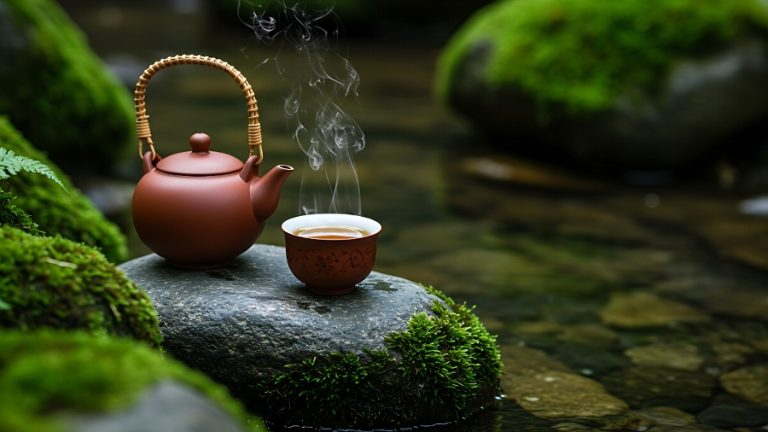
The dried root of Angelica sinensis has a mildly sweet flavor with a hint of sharpness reminiscent of celery. It can be brewed alone, but is often combined with other herbs (such as ginger, cinnamon bark, astragalus, goji berries or red dates) for more flavorful tonic with enhanced medicinal qualities.
Rinse a few dried root slices in cool water, then place them in a small sauce pan with optional, additional herbs, and two cups of water. Bring the water to a boil, then lower the heat and simmer for 20 to 30 minutes to extract the medicinal components.
Strain off the solids and enjoy this brew warm. It is generally considered safe to consume daily.
As a supplement
Angelica root is also available in tincture, capsule or powdered form for use as a supplement. Instructions for use should come with the product.
Please note: Angelica may not be safe during pregnancy or in combination with blood-thinning medications. Please check with a healthcare professional if these conditions apply to you. As with any medicinal herb, start with a small amound and monitor your reaction before increasing dosage.