By Yang Tianzi
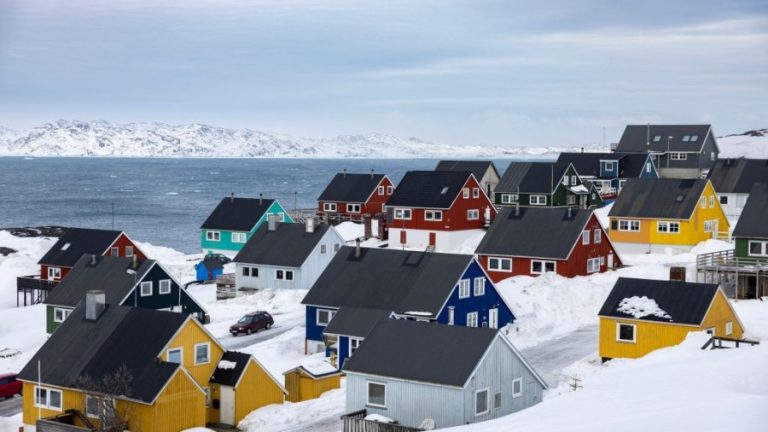
Former U.S. President Donald Trump has actively pushed for the acquisition of Greenland to counter the expansion of Chinese and Russian influence, but the focus of local residents in Greenland is entirely different. According to The Wall Street Journal and related opinion polls, for the island’s 57,000 residents, what truly frightens them is not foreign rule or geopolitical rivalry, but increasingly severe economic hardship and challenges to basic survival.
An extremely fragile, single-pillar economy
Multiple opinion surveys consistently show that Greenlanders do not feel a strong sense of crisis about being taken over by the United States or any other country. Compared with the strategic value and geopolitical considerations emphasized by political elites in Washington, local residents are far more concerned about livelihood issues that directly affect them. To them, “poverty” is far more frightening than “foreign invasion,” and economic recession and unemployment are more anxiety-inducing than questions of sovereignty. This gap in perception reflects a fundamental divergence between the geopolitical calculations of major powers and the livelihood needs of a small population.
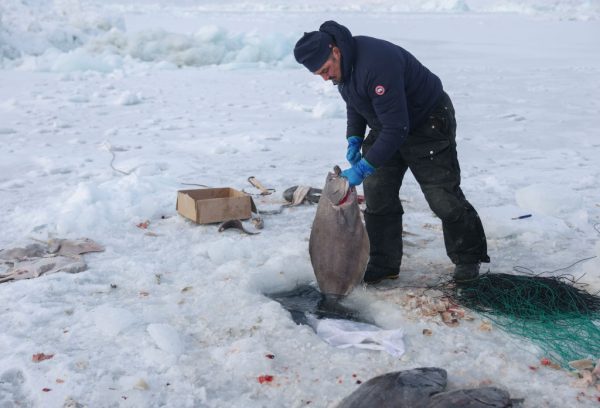
The root of Greenland’s economic difficulties lies in its extremely mono-structured industrial base. According to reports, as much as 98 percent of Greenland’s export revenue comes from seafood products, mainly halibut, cod, and shrimp. This excessive dependence on a single industry makes Greenland extraordinarily vulnerable to market fluctuations.
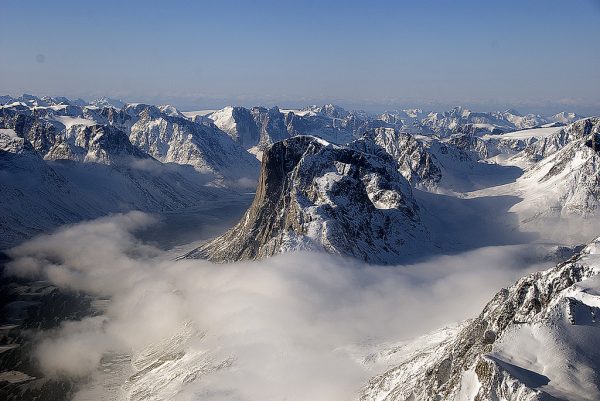
Although Greenland’s ice sheet conceals abundant mineral resources, transforming the economy from fisheries to mining is far from easy. Such a transition would require tens of billions of dollars in development costs and could take many years before yielding tangible returns. More importantly, mining development faces multiple uncertainties, including environmental protection concerns, technical challenges, and international market risks, making the path to transformation especially arduous.
Success
You are now signed up for our newsletter
Success
Check your email to complete sign up
Stark realities revealed by economic data
Concrete economic data more clearly illustrate the predicament Greenland faces. Over the past decade, the Greenlandic economy has relied mainly on three pillars to keep running: more than US$1 billion a year in fiscal subsidies from the Danish government, infrastructure investment (especially new airport construction projects), and the upward trend in global seafood prices over the past several years.
However, this fragile balance is rapidly unraveling. Greenland’s economic growth rate has fallen sharply, plunging from 0.8 percent in 2024 to just 0.2 percent in 2025, with growth nearly stagnating. This decline indicates that Greenland’s economy is facing structural difficulties rather than merely cyclical adjustments.
Beyond macroeconomic challenges, climate change is directly hitting Greenland’s pillar industries. Rising sea temperatures have led to severe ecological imbalances, delivering a double blow to fisheries. First, temperature changes have seriously affected the reproduction of high-value shrimp, causing shrimp stocks to decline sharply. At the same time, cod—whose main food source is shrimp—have surged in number, further squeezing the shrimp’s living and breeding space.
These changes in the food chain, combined with a downward trend in global seafood prices, have dealt an additional blow to Greenland’s fisheries output. For an economy that depends on seafood for 98 percent of its export revenue, the consequences of such ecological imbalance are catastrophic.
Any country taking over Greenland would not be inheriting a ‘gold mine’
Greenlandic officials have privately acknowledged a sobering reality: Greenland, widely viewed from the outside as having immense strategic value, may in practical economic terms be a bottomless “money pit.” At least in the short term, any country that takes over Greenland would not be inheriting a “gold mine,” but rather an economic burden requiring continuous, large-scale financial investment with an uncertain return outlook.
This reality also explains why Trump’s acquisition proposal, while attracting widespread attention at the political level, faces immense difficulties in practical implementation. Greenland not only requires massive fiscal subsidies to maintain basic operations, but also confronts multiple challenges, including an aging population, backward infrastructure, and the difficulty of industrial transformation.