By Gao Yun
Reuters reported on Friday, Jan. 30 that the Federal Register announced the Trump administration plans to issue approximately 65,000 additional H-2B seasonal worker visas for the fiscal year ending September 30, 2026. These visas will be available to employers facing serious financial risk due to a lack of domestic labor.
This number is nearly double the usual annual H-2B visa cap of 66,000, highlighting the federal government’s attention to labor shortages in certain industries. The visas primarily serve sectors such as construction, hospitality, landscaping, and seafood.
In fact, both during President Biden’s administration and at certain points in Trump’s first term (2017–2021), the government temporarily increased the H-2B visa quota in specific years.
Employers in hotels, construction, and similar industries have long called for higher visa limits, especially after Trump’s tougher immigration enforcement led some companies to report severe labor shortages.
Success
You are now signed up for our newsletter
Success
Check your email to complete sign up
However, groups opposed to immigration expansion have objected, arguing that increasing guest worker visas would suppress wages for U.S. workers and threaten domestic employment.
At the same time, the Trump administration raised the threshold for hiring foreign employees in the tech sector under the H-1B visa program, introducing a new application fee of up to $100,000.
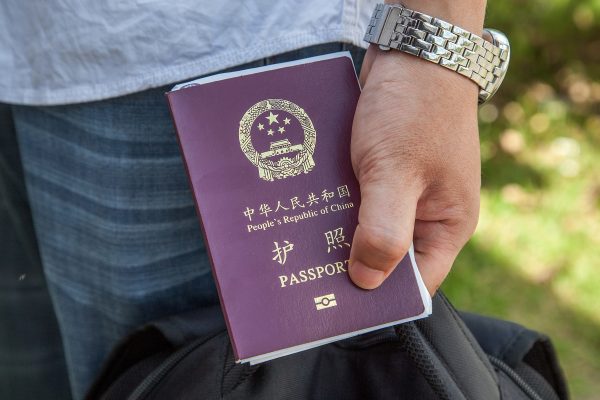
Who is eligible for H-2B nonimmigrant status?
According to the U.S. government website, applicants for H-2B nonimmigrant status must meet several basic conditions:
- Labor shortage: Applicants must demonstrate that there are not enough U.S. workers who are able, willing, qualified, and immediately available to perform the temporary work.
- No adverse effect on U.S. workers: Employing H-2B foreign workers must not negatively affect the wages or working conditions of U.S. workers performing similar jobs.
- Temporary nature of demand: The need for services or labor must be temporary, regardless of whether the position itself is defined as “temporary.”
What qualifies as a ‘temporary’ need?
If an employer’s labor demand falls into one of the following four categories, it is considered temporary:
- One-time occurrence
Conditions include:
- There is normally a permanent position, but a one-time, short-term event creates a temporary labor need; or
- The employer has never hired workers for this service before, and similar demand will not occur in the future.
- Seasonal need
The employer must demonstrate that the services or labor:
- Are tied to a particular season, determined by natural cycles or specific events; and
- Recurr periodically.
- Peak load need
Conditions include:
- The company normally has full-time employees performing related work;
- Short-term or seasonal busy periods require temporary additional staff to support operations; and
- The new employees do not become part of long-term operations.
- Intermittent need
Conditions include:
- The company has not previously employed full-time staff for this work;
- There is a short-term labor need only occasionally or irregularly.