By Yang Tianzi
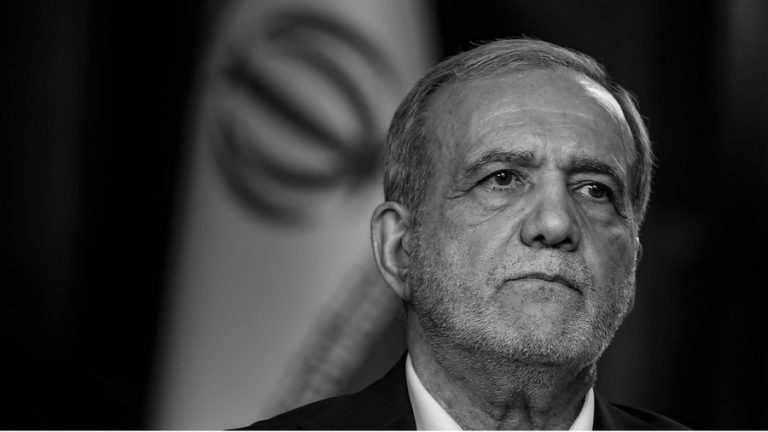
The U.S.-Iran talks originally scheduled for Feb. 6 in Turkey have been moved to Oman at Iran’s insistence. While this change may seem like a technical adjustment, it actually reflects deeper political considerations. Iran’s choice of Oman is strategic: Oman has long served as an “honest broker” in U.S.-Iran relations, and last year both sides conducted nuclear talks there. By returning to Oman, Iran aims to frame the current talks as a continuation of last year’s nuclear negotiations, thereby formally limiting the scope of the discussions.
US agrees to move talks at Iran’s request
Reuters reported on Feb. 4, citing Middle East officials, that the U.S. will hold talks with Iran in Oman on Feb. 6 instead of the originally planned Turkey, at Iran’s request. Iran has stated it is only willing to discuss its nuclear program, while the U.S. hopes to include ballistic missiles and Iran’s regional proxies.
Although Turkey is an important regional power, its NATO membership may make Iran feel the negotiation environment is not neutral enough. Choosing Oman reflects Iran’s desire to control the negotiation environment and indicates its intent to conduct talks in a relatively friendly atmosphere. The U.S.’s eventual agreement to change the venue shows Washington’s urgency in pushing the talks forward and willingness to compromise on procedural issues to ensure the negotiations proceed smoothly.
Disagreement over the negotiation agenda
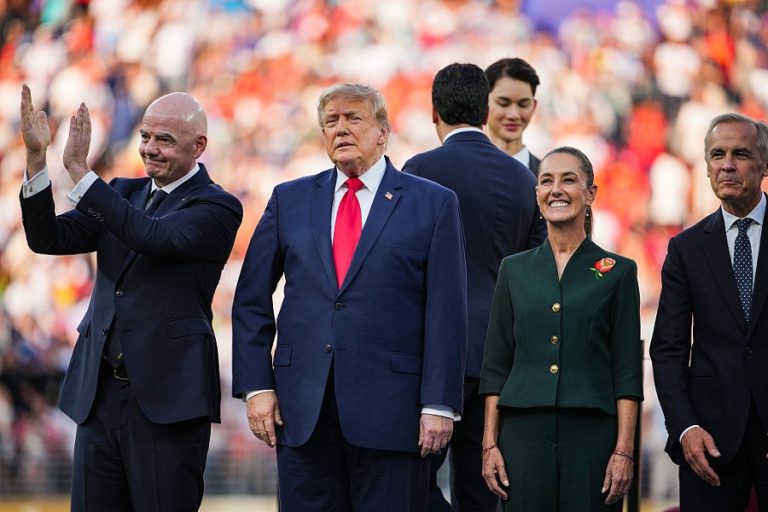
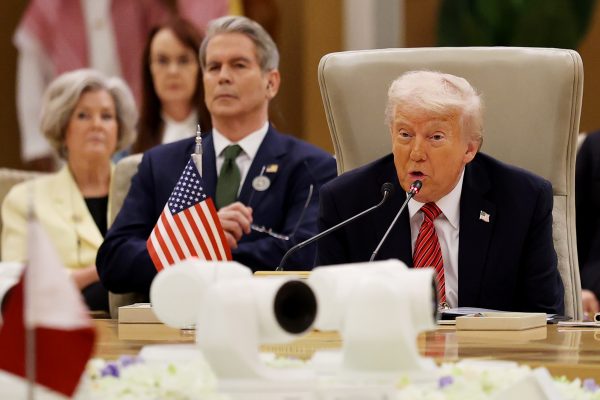
Setting the agenda has become the area of greatest divergence between the U.S. and Iran. The U.S. has sent Trump’s son-in-law Jared Kushner and Middle East envoy Steve Vitkoff, aiming to reach a comprehensive agreement covering the nuclear program, ballistic missiles, and regional proxies. The U.S. logic is to address all security threats related to Iran at once, establishing a long-term stable security framework for the Middle East.
Success
You are now signed up for our newsletter
Success
Check your email to complete sign up
Iran, however, firmly rejects an expanded agenda and insists on discussing only the nuclear program. Tehran’s position is based on several considerations: first, limiting the agenda to nuclear issues avoids pressure on more sensitive matters such as missiles and proxies; second, nuclear issues allow more technical discussion, while missile and proxy issues involve Iran’s core security interests.
This agenda divergence reflects a fundamental difference in negotiation goals. The U.S. seeks to resolve all issues in one negotiation, while Iran prefers staged, limited discussions to manage risks and avoid being forced into a passive position.
Israel’s security concerns and military options
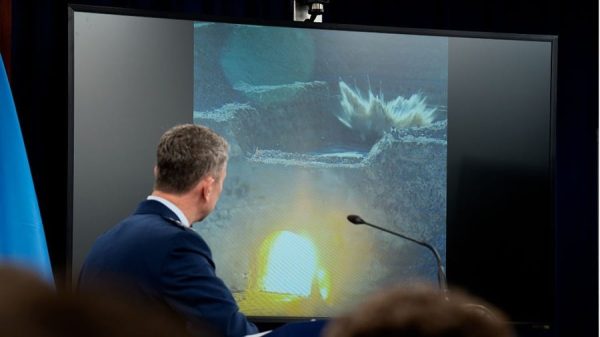
For Israel, Iran’s nuclear program and ballistic missiles constitute the most direct existential threat. The Israeli government has advocated a tough stance toward Iran, including not ruling out unilateral military strikes. However, Israel is also keenly aware of the huge costs of a full-scale war and therefore hopes the U.S. can fundamentally weaken Iran’s military capabilities through diplomacy or limited military actions.
Israel has strict requirements for any U.S.-Iran agreement: it must include verifiable and permanent measures ensuring Iran cannot secretly develop nuclear weapons or quickly resume military programs. Israel worries that an incomplete agreement could merely buy Iran time, ultimately leading to greater threats.
The Gulf Arab states’ delicate position
The positions of Gulf Arab states are more complex and subtle. Countries such as Saudi Arabia and the UAE view Iran as a geopolitical rival and worry about its expanding influence in the Middle East, but they also maintain certain economic ties with Iran. These states want Iran’s military threat reduced but do not want the Iranian regime to collapse entirely, as that could trigger broader regional chaos.
This delicate balance reflects the complex realities of Middle East geopolitics. Regional countries prefer a weakened Iran that still maintains basic governance rather than a complete collapse, which could cause refugee crises, terrorism proliferation, and long-term instability. Thus, while supporting U.S. pressure on Iran, these states also seek controllable solutions through diplomacy.
Washington’s strategic goals
From a U.S. strategic perspective, the ideal outcome includes three core elements: permanently and verifiably blocking Iran’s path to nuclear weapons; imposing effective limits on Iran’s ballistic missile capabilities; and ending or significantly weakening Iran’s military links with regional proxies. Achieving these goals is extremely difficult, requiring Iran to make major concessions on what it considers core interests.
The Trump administration also faces domestic political pressure. On one hand, Trump needs to demonstrate a strong image at home to show the effectiveness of his foreign policy; on the other, he must avoid being dragged into a long-term war, which conflicts with his usual anti-war stance.
Tehran’s calculations
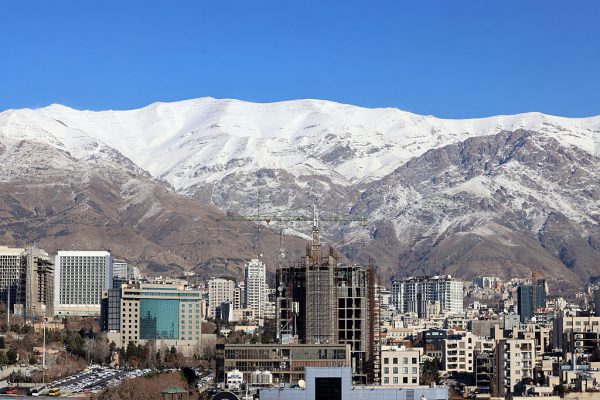
Iran’s current strategy is to maintain its core interests while making limited concessions to gain sanctions relief and security guarantees. Tehran’s calculations are based on its assessment of Trump’s personality and U.S. political realities: although Trump speaks tough, he is unwilling to bear the political risk of a prolonged war, allowing Iran to withstand some military pressure without fully yielding.
However, this strategy carries significant risks. Misjudging U.S. resolve or Trump’s red lines could expose Iran to devastating military strikes. Continued economic sanctions and domestic political pressure also test the regime’s endurance. Iran therefore must balance protecting core interests with avoiding threats to regime survival.
Experts suggest the most likely outcome is a partial compromise agreement. Iran may make concessions on the nuclear issue, such as limiting uranium enrichment or accepting stricter international oversight, in exchange for partial sanctions relief or security guarantees. On ballistic missiles and proxy issues, differences may be temporarily set aside or only agreed upon in principle.
While such a partial agreement could temporarily ease tensions, it would not fundamentally resolve the strategic competition between the U.S. and Iran. Future risks remain, including agreement breakdown, renewed sanctions, or military conflict. The sustainability of any agreement will depend on whether both sides can establish effective enforcement and dispute-resolution mechanisms.
The current U.S.-Iran crisis highlights the complexity and uncertainty of 21st-century international relations. Military deterrence and diplomatic negotiations proceed simultaneously, while geopolitical competition and economic interests are intertwined, making the crisis trajectory highly unpredictable. From military standoffs in the Persian Gulf to negotiations in Oman, both sides are engaged in a high-stakes strategic game.
The results of the upcoming negotiations will have profound implications for Middle East and global security. If substantive progress is achieved—even preliminary consensus on specific issues—it could help ease tensions and lay the groundwork for broader diplomatic solutions. Conversely, if the talks stall or collapse, military confrontation may escalate, potentially leading to full-scale conflict.