According to the Associated Press on March 11, Chilean conservative political figure José Antonio Kast was formally sworn in as president, marking the most significant rightward political shift in the South American country since it restored democracy in 1990.
The inauguration ceremony was held at the National Congress building in the coastal city of Valparaíso, with political leaders from several countries attending. Kast won the 2025 election by an overwhelming margin, and members of his cabinet were also sworn in the same day.
Among those present were Argentine President Javier Milei, Panamanian President José Raúl Mulino, Ecuadorian President Daniel Noboa, and Spanish King Felipe VI. Nobel Peace Prize laureate María Corina Machado was also invited.
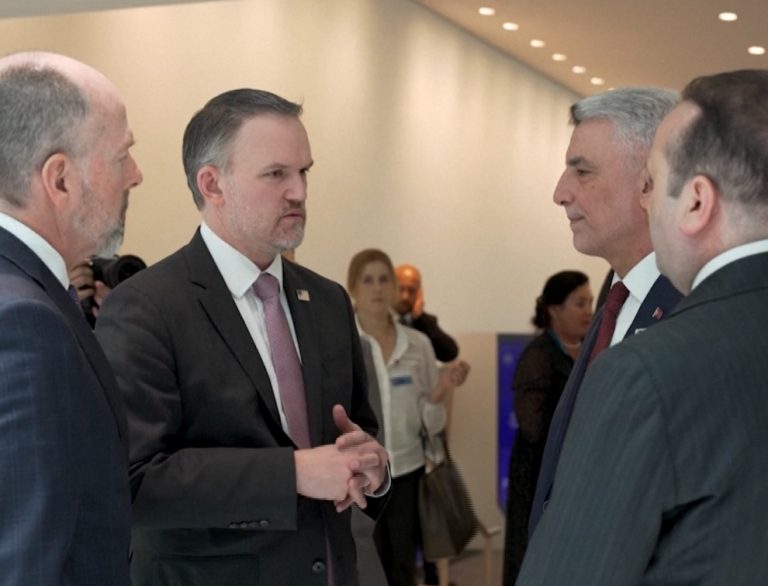
However, several notable leaders were absent, including Brazilian President Luiz Inácio Lula da Silva and Salvadoran President Nayib Bukele. The United States sent only a delegation led by Deputy Secretary of State Christopher Landau.
After Senate President Paulina Núñez placed the presidential sash on Kast, the new cabinet formally took office. José Francisco Pérez Mackenna was appointed foreign minister, María Trinidad Steinert became security minister, and Fernando Rabat assumed the role of minister of justice and human rights.
Success
You are now signed up for our newsletter
Success
Check your email to complete sign up
Low approval of previous government paved the way for rightward shift
Kast’s victory was largely driven by the low approval ratings of the previous administration.
Left-wing President Gabriel Boric became Chile’s youngest president in 2022 at age 36. However, according to data released this week by polling agency Cadem, his approval rating at the end of his term was the worst for any Chilean president since 1990.
The survey showed that 53 percent of respondents believed the Boric administration was the “worst-performing government” since the country’s return to democracy.
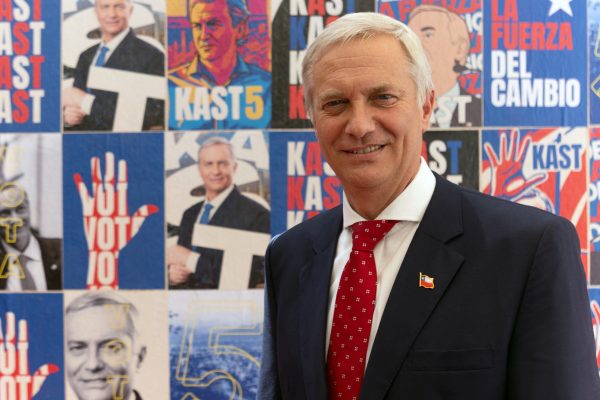
In the December 2025 presidential runoff, Kast defeated the government-backed communist candidate Jeannette Jara. During his campaign, he promised a tough crackdown on crime and stricter limits on illegal immigration—policies broadly similar to those promoted by U.S. President Donald Trump.
Signaling friendlier ties with Washington as Latin America tilts right
The report noted that Kast’s rise is also viewed as part of a broader rightward shift in Latin American politics.
In recent years, from Argentina to Bolivia, voters in several countries have handed power to right-wing leaders emphasizing “law and order.” This trend has become more pronounced as the United States, under President Trump, has strengthened its influence in the Western Hemisphere.
Kast has sent positive signals toward Washington. He publicly praised the United States for capturing former Venezuelan president Nicolás Maduro and has repeatedly expressed goodwill toward the Trump administration.
Last week, when Trump held the “Shield of the Americas” summit in Miami, Kast was invited to attend as president-elect. Participants included several right-wing leaders such as Milei and Bukele.
Tensions between Kast and the Boric administration also escalated before the transfer of power. The two sides clashed over a submarine cable project connecting Chile and China. The project drew strong criticism from the United States and intensified diplomatic friction between the Boric government and Washington.
Crime and immigration become core governing priorities
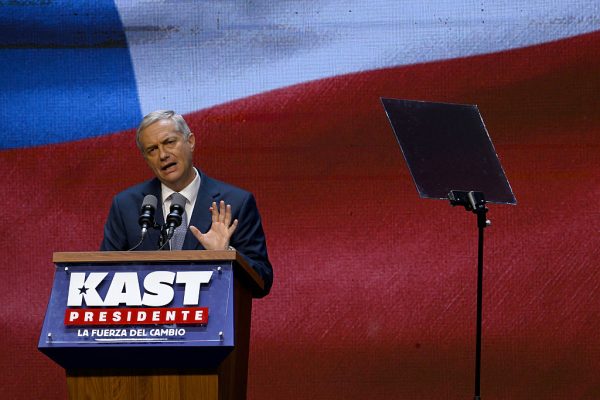
In his inaugural address, Kast said Chile is facing a “state of emergency in security, healthcare, education, and employment,” and therefore the country needs an “emergency government.”
According to France 24 on March 13, the 60-year-old conservative politician emphasized in a speech from the balcony of the presidential palace in Santiago that the government will quickly introduce a series of reforms to address the crisis.
On the highly watched issue of illegal immigration, he called on the military to build protective infrastructure along Chile’s border with Bolivia and signed three related executive orders immediately after taking office.
Kast also said all ministers would conduct a “comprehensive audit” of the country’s condition, evaluating the policies and fiscal situation left behind by the previous government.
During the campaign, he promised to deport hundreds of thousands of illegal immigrants, increase police firepower, and deploy the military in crime hotspots. These policies won significant support from voters amid rising crime rates in recent years.
Kast has openly praised the tough anti-gang measures of Salvadoran President Nayib Bukele and last year visited a massive prison in El Salvador capable of holding 40,000 inmates.
First 100 days may determine the government’s success
However, analysts say the direction of Kast’s policies over the next four years will largely depend on his performance in the early stages of his administration.
Mariano Machado, an analyst at risk intelligence firm Verisk Maplecroft, said that if the government demonstrates a clear direction and strong execution “within the first 100 days,” the political environment usually becomes more cooperative.
“If there is no clear path in the initial phase, the situation often moves in the opposite direction,” he said.
In addition, Kast must contend with a politically divided congress, meaning it remains uncertain whether his immigration and security policies will be successfully implemented.
Meanwhile, some members of his cabinet previously served as lawyers defending the regime of former Chilean dictator Augusto Pinochet, which has drawn strong criticism from opposition groups and human rights organizations.